
Table of Contents
As the anniversary of the protests against rising living costs in Nigeria approaches, the call for accountability remains deafening yet unheeded. Amnesty International has released a statement highlighting the Nigerian government’s failure to ensure justice for the victims of police brutality, serving as a grim reminder of the tragic events that unfolded last year. With ongoing accusations of extrajudicial killings, torture, and unlawful arrests still unaddressed, the human rights landscape in Nigeria is deeply troubling.
The backdrop of the protests: economic hardship and public outcry
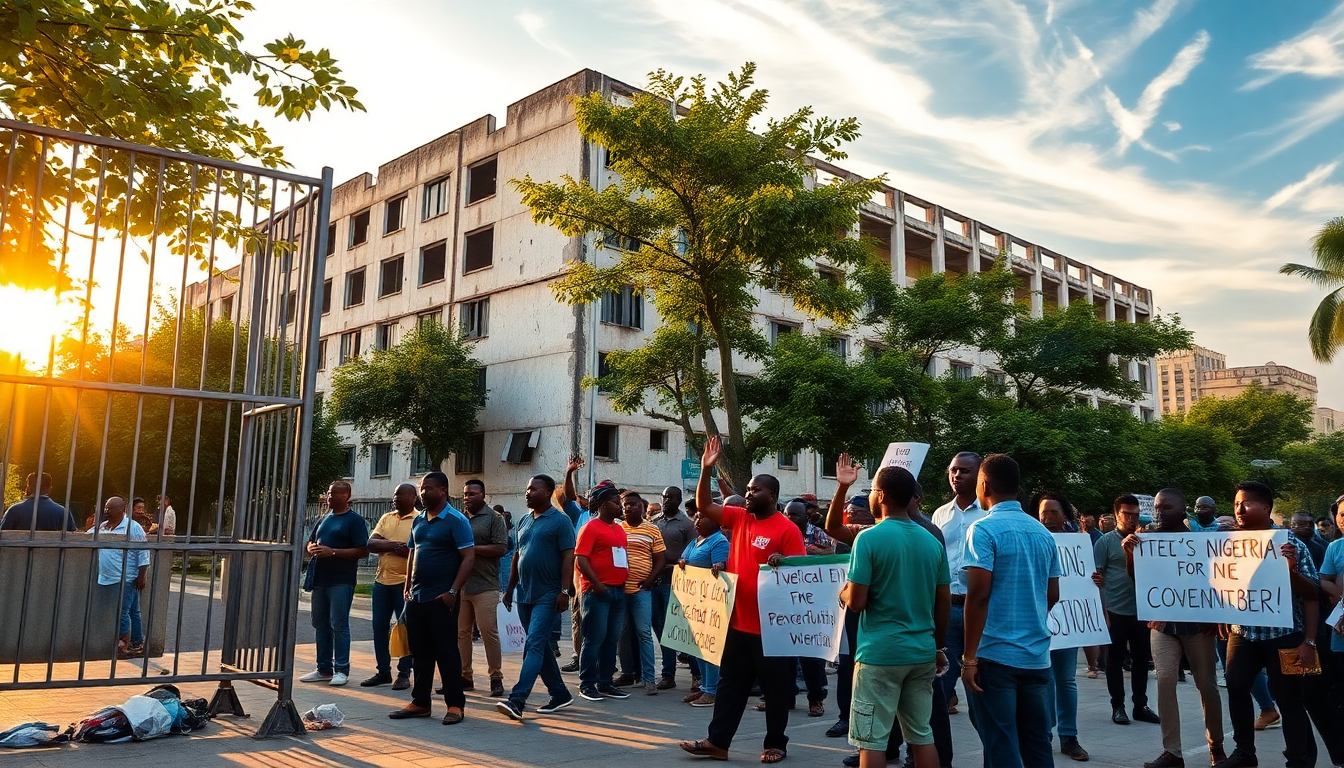
The protests, which erupted in August 2023, were fueled by widespread frustration over soaring fuel prices and rampant inflation. The government’s reforms, intended to revive the economy, inadvertently worsened the situation for many citizens, sparking widespread demonstrations under the rallying cry of #EndBadGovernanceInNigeria. What started as a demand for economic relief quickly evolved into a call for accountability from leaders.
Tragically, the response from security forces was both swift and brutal. Reports indicate that at least 24 individuals lost their lives when police opened fire on peaceful protesters, transforming a cry for help into a national tragedy. These events have ignited outrage both locally and internationally, prompting organizations like Amnesty International to investigate the circumstances surrounding these deaths.
Despite the gravity of the situation, one year later, the lack of prosecution for any security personnel involved in these killings highlights a systemic failure to uphold human rights in Nigeria. Isa Sanusi, director of Amnesty International Nigeria, emphasized that accountability remains elusive and that those responsible for the violence must be brought to justice. How long will it take for these calls to be answered?
Ongoing human rights violations and the struggle for justice
Even more troubling are the continued reports of human rights violations. Amnesty International has documented allegations of extrajudicial executions, torture, and unlawful arrests that occurred during and after the protests. The organization criticizes the Nigerian authorities for their refusal to acknowledge these serious allegations, which suggests a broader pattern of disregard for human rights. Why is the government turning a blind eye?
In addition to the killings, many protesters faced harsh repercussions, including arbitrary arrests and detentions on dubious charges. Some are being tried for offenses like “levying war against the state” and “inciting to mutiny,” raising serious questions about the fairness and legitimacy of these legal proceedings. Amnesty has condemned these so-called trials as “sham trials,” illustrating just how far authorities will go to silence dissent.
The situation has prompted a response from the Nigerian government, albeit a reluctant one. In instances where public outcry has intensified, authorities have had to reconsider their stance, leading to the release of some detained protesters. However, many trials are still ongoing for those arrested, underscoring the ongoing struggle for justice in Nigeria.
The path forward: the need for accountability and reform
Looking ahead, substantial changes are necessary to rectify these injustices and restore faith in Nigeria’s governance. Amnesty International calls for the government to implement effective measures to protect the rights of its citizens, particularly the rights to freedom of expression and peaceful assembly. Ending the culture of impunity surrounding police violence is crucial for achieving this goal.
Moreover, the Nigerian government must engage in meaningful dialogue with civil society, addressing the root causes of the protests and the ongoing economic crisis. Transparency and accountability are essential—not just for healing a divided nation, but also for establishing a more just and equitable society.
As the anniversary of the protests passes, it is clear that the road to justice is fraught with challenges. However, the voices of the Nigerian people, demanding accountability and reform, must not be silenced. It is only through sustained pressure and advocacy that meaningful change can be achieved. Will the world listen and act?