
Table of Contents
The recent rise in anti-migrant sentiment in Poland is a hot-button issue, sparking concern across the nation. Reports of violence and public protests against immigrants have surged, leading many to question the narrative that associates migrants with crime. Could it be that the truth is more complex than it seems? This article dives into the roots of this sentiment, the impact of misinformation, and what it means for society at large.
What Sparked the Change?
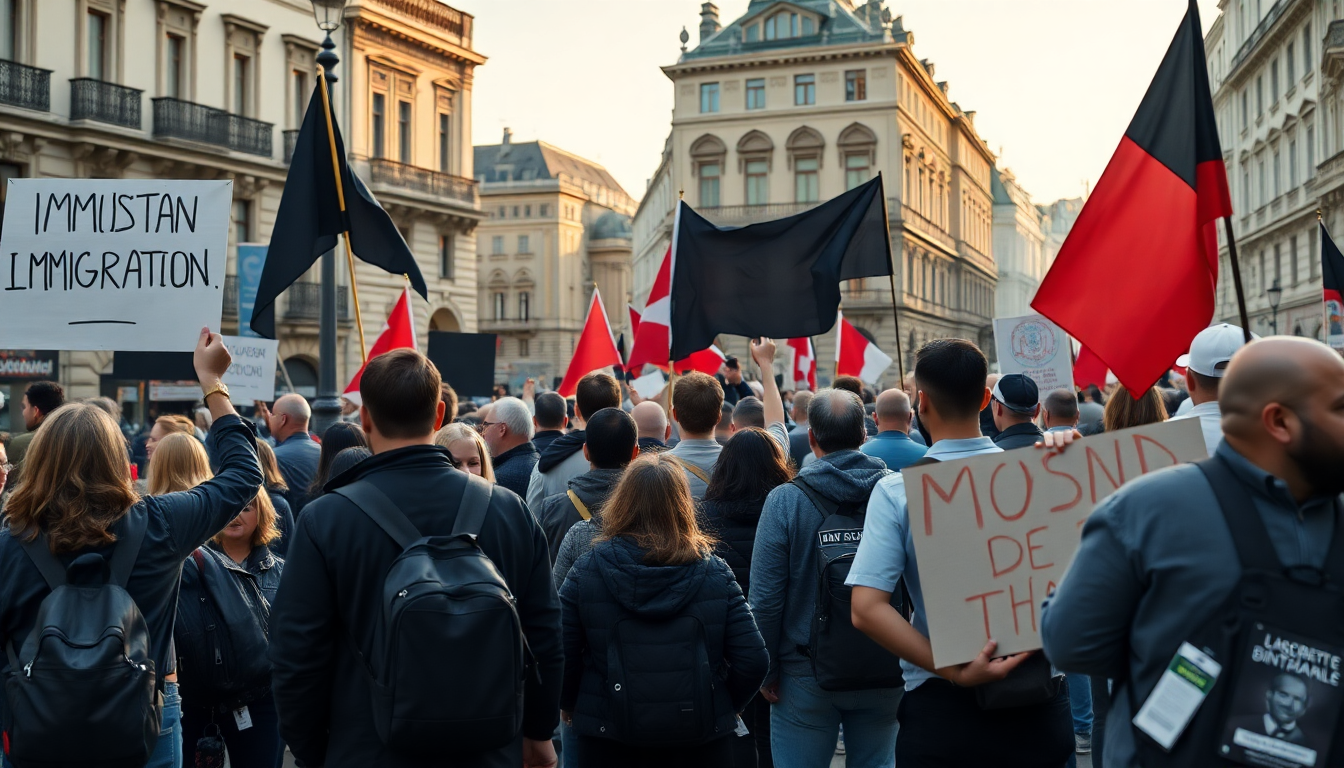
The situation took a dramatic turn after a tragic incident in June, when a Venezuelan man committed a violent act in Torun, resulting in the death of a 24-year-old Polish woman named Klaudia. This heartbreaking event triggered a silent march attended by thousands, organized by supporters of far-right political groups. Protesters waved signs calling for an end to illegal immigration, echoing a growing narrative that links crime to immigrants. But is this perception truly reflective of reality?
In the weeks that followed, a wave of rumors spread, intensifying tensions even further. A particularly alarming incident unfolded in Walbrzych, where a Paraguayan man was falsely accused of taking pictures of children. This baseless allegation led to violence against him and an attack on the accommodation he shared with other migrants. Such incidents raise urgent questions about the safety of immigrants in Poland—is this really the environment we want to foster?
The narrative surrounding migrants has been heavily influenced by far-right rhetoric, which paints a picture of an overwhelming influx of undocumented immigrants. Politicians have perpetuated the idea that migrants threaten local jobs and cultural integrity, contributing to a climate of fear. But how much of this is based on fact?
The Role of Misinformation
Elmi Abdi, a long-time resident and advocate for migrants, raises valid concerns about how immigrants are being scapegoated for Poland’s societal problems. He points out that the narrative has shifted, unfairly positioning migrants as the cause of various issues, despite evidence to the contrary. This misinformation has permeated public discussions, often creating a hostile environment for those seeking refuge or better opportunities. Isn’t it time to challenge these misconceptions?
Organizations like the Polish Migration Forum have noted a disturbing rise in violence against migrants. Agnieszka Kosowicz, the head of the forum, described the current atmosphere as “pre-pogrom-like,” signaling a significant decline in how immigrants are treated. Reports of both verbal and physical assaults against migrants have surged, mirroring the sentiments expressed during recent protests. What does this say about our society’s values?
In response to these tensions, the Polish government has reinstated border controls and is actively monitoring the return of migrants, which adds fuel to the narrative of an immigration crisis. Yet, statistics show that Poland is not experiencing large-scale irregular migration; the numbers remain relatively low compared to other European countries. So, why the panic?
Implications for Society and Looking Ahead
The escalation of anti-migrant sentiment presents significant risks, not just for immigrants but for Polish society as a whole. The normalization of xenophobia can foster division and hostility within communities. The uptick in far-right demonstrations, often marked by racist slogans, highlights a troubling trend that could undermine social cohesion. Is this really the future we envision for our communities?
Experts argue that the Polish government holds a crucial responsibility in shaping public perception of migration. By neglecting to provide accurate information about the contributions of immigrants to the economy and society, they unintentionally allow misinformation to thrive. Studies have shown that migrants contribute significantly to Poland’s GDP, yet this narrative remains largely unaddressed in political discourse. Why isn’t this story being told?
Looking forward, there’s an urgent need for dialogue and education to combat the growing anti-migrant sentiment. By building awareness around the realities of migration and emphasizing the economic and cultural benefits that immigrants bring, we can help alleviate the fears that have taken hold in society. Moreover, fostering a more inclusive environment is essential for ensuring the safety and integration of migrants into Polish life. Isn’t it time we embraced diversity as a strength rather than a threat?
In conclusion, while the surge in anti-migrant sentiment in Poland stems from a complex mix of factors, misinformation plays a crucial role. Understanding the dynamics at play is vital for addressing the challenges faced by both immigrants and the Polish populace as a whole. Let’s work towards a more informed and compassionate society.