
Table of Contents
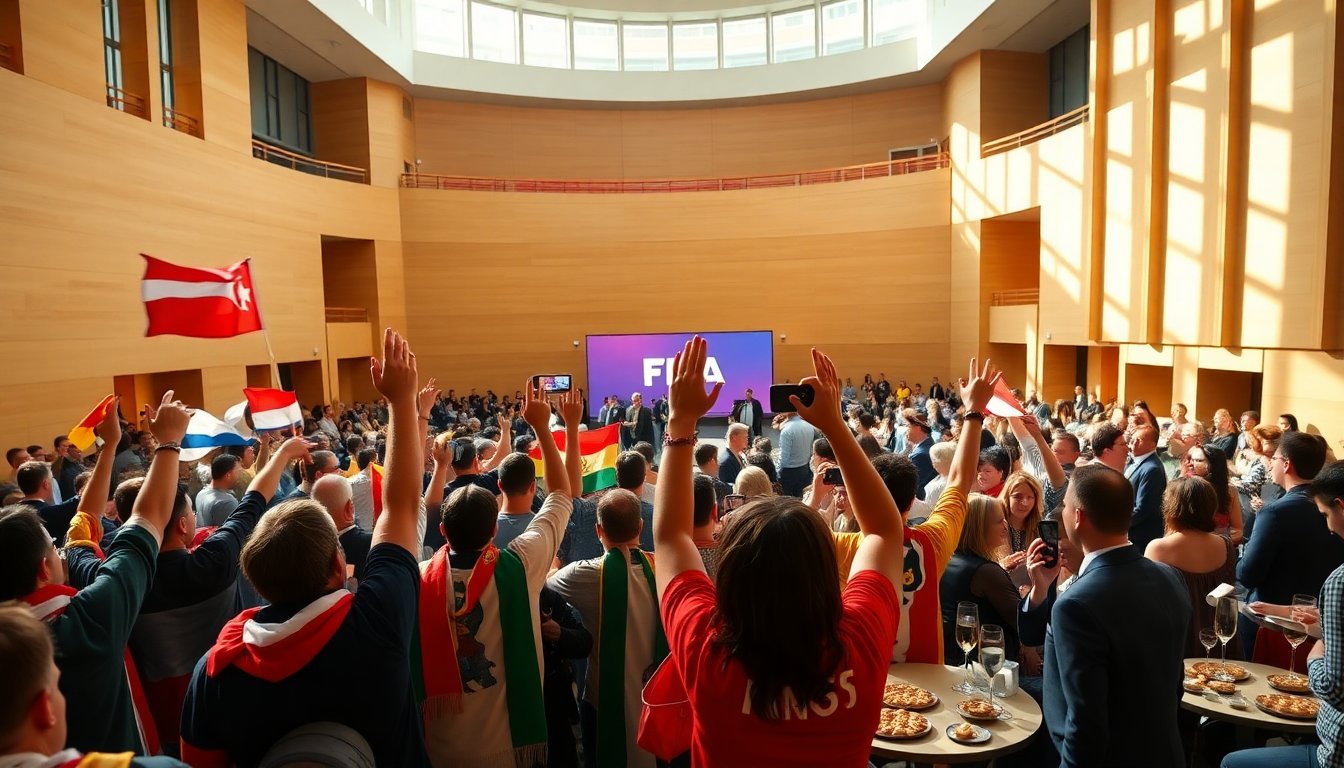
The anticipation surrounding the draw for the 2026 FIFA World Cup is palpable in the bustling atmosphere of the Kennedy Center in Washington, D.C. As the event approaches, teams are preparing for a historic tournament featuring an expanded roster of 48 teams, co-hosted by Canada, the United States, and Mexico. This tournament is scheduled from June 11 to July 19, 2026, marking a significant evolution in the World Cup’s format.
The draw, set to occur on Friday, holds great significance as it will determine the initial groups for this expanded competition. Canada’s participation is particularly noteworthy. The nation enters the tournament ranked 27th in the world but is placed in Pot 1 due to its status as a co-host. This strategic placement ensures Canada will not face powerhouse teams like the United States or Mexico during the group stage.
Understanding the draw and its implications
The draw consists of teams allocated into four distinct pots based on their rankings, with each country’s placement influencing potential matchups. Although Canada will avoid the highest-ranked teams initially, it must still navigate a challenging landscape to advance beyond the group stage. In a trial scenario conducted at the Kennedy Center, Canada drew South Korea from Pot 2, Paraguay from Pot 3, and the winner of a playoff involving Ukraine, Poland, Sweden, and Albania from Pot 4.
Analyzing potential matchups
While the drawn group appears manageable, the realities of the World Cup are often unpredictable. Each team in Pot 2 has a higher ranking than Canada, with Australia sitting just above at position 26. The possibility of facing Croatia, ranked 10th globally, looms large. This would not only present a formidable challenge on the field but would also evoke memories of the previous World Cup where Croatia defeated Canada 4-1. This context adds intensity to any potential rematch.
While encounters with Croatia are daunting, other teams like Iran also present unique challenges. Despite Iran’s coach promising to attend the draw, political tensions and visa restrictions for Iranian citizens may complicate their participation. Such complexities highlight the broader implications of the tournament, as FIFA navigates not just the sporting elements but the geopolitical landscape as well.
Strategizing for group survival
The ultimate goal for Canada is to advance from the group stage, which necessitates strategic matchups. Although Australia’s recent victory over Canada in October highlighted their competitive edge, a rematch could benefit both teams. Each country might relish the chance to test their skills against a familiar opponent, fostering an exciting rivalry.
Considerations for Pot 3 selections
FIFA’s structure allows for intriguing possibilities within Pot 3, where Canada is likely to face a weaker team. Teams like South Africa, ranked 61st, could provide a favorable matchup, while others like Norway, led by the prolific Erling Haaland, pose a more significant threat. Norway’s unbeaten qualifying run has positioned them as a dark horse, adding to the unpredictability of the tournament.
Canada’s path to success may hinge on drawing less formidable opponents from Pot 3. Matchups against lower-ranked teams like Ghana or New Zealand could increase their chances of progress. However, they must also prepare for the possibility of facing a European team from the playoff round, which could further complicate their journey.
The historical significance of the 2026 World Cup
This World Cup marks a monumental occasion, as it will be the first to feature 48 teams, expanding from the traditional 32. The format change will introduce twelve groups of four, with the top two from each group plus the eight best third-placed teams moving on to a knockout stage, ultimately culminating in a new round of 32. This evolution promises to enhance the excitement and competitiveness of the tournament.
As history unfolds, the 2026 World Cup will be particularly significant for Canada, as it will be their first time co-hosting the men’s tournament. The event not only showcases the sport but also brings nations together, fostering camaraderie and competition among fans and players alike. As the draw approaches, anticipation is building, and the stage is set for a thrilling chapter in World Cup history.