
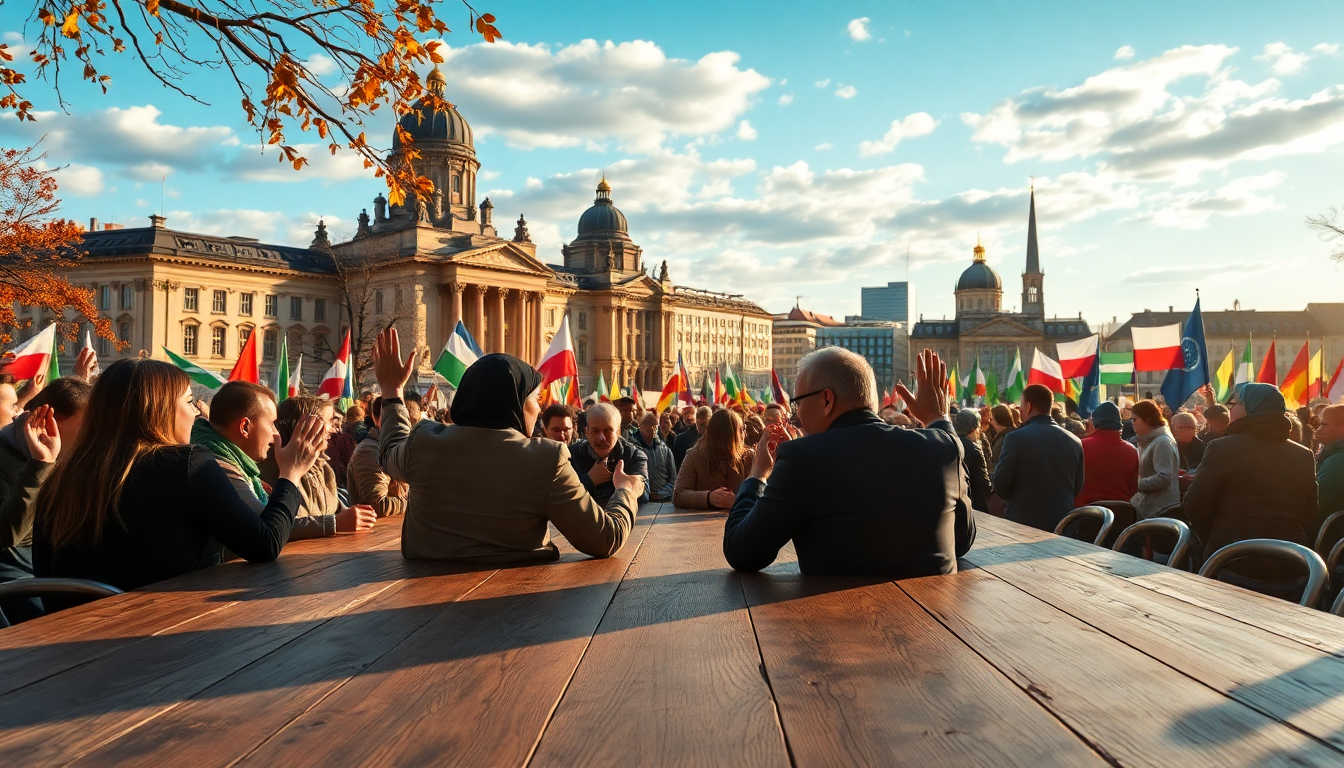
Poland, a country rich in history, is currently navigating a fascinating and pivotal moment. With various ideologies clashing and converging, the ideological landscape here is not just about local dynamics; it plays a significant role in shaping broader European politics and international relations. So, what does this mean for Poland’s society and governance as it grapples with these ideological shifts?
Diving Into Poland’s Political Scene
The political climate in Poland feels like a tug-of-war, where traditional values are in constant contention with modern liberal ideologies. The Law and Justice Party (PiS) has been a dominant force, pushing a nationalist agenda that often stands at odds with the European Union’s liberal principles. Recent election data highlights a growing polarization within the electorate, with many citizens increasingly calling for progressive reforms. Isn’t it intriguing how the pulse of a nation can shift so dramatically?
In the last few years, civic activism has surged, particularly among the youth. This new wave of activists is passionate about environmental issues, gender equality, and LGBTQ+ rights. Despite facing pushback from the government, this grassroots movement signals a shift toward a more inclusive society. The contrast between the ruling party’s conservative stance and the aspirations of younger generations creates a dynamic tension that is reshaping Poland’s identity. Isn’t it fascinating to see how young voices can challenge the status quo?
Poland’s Role on the European Stage
Poland’s ideological struggles are not happening in a vacuum; they resonate throughout Europe. As the EU seeks to define its identity, Poland’s experience serves as a microcosm of larger trends. The ongoing debates surrounding rule of law, media freedom, and judicial independence in Poland have attracted significant attention from other member states, raising important questions about the future of European unity. How does a single country’s internal conflict ripple through an entire continent?
Additionally, Poland’s strategic location in Central Europe makes it a key player in geopolitical discussions, especially regarding relations with Russia and the security of NATO’s eastern flank. The ideological divisions within Poland could influence its foreign policy, shaping its alliances and diplomatic engagements. It’s a delicate balance, isn’t it?
Looking Ahead: Prospects and Challenges
As we look to the future, Poland faces the challenge of reconciling its rich historical narrative with the demands of a diverse, modern society. The ideological contestation at play presents both risks and opportunities. On one hand, a fragmented political landscape could lead to instability and slow progress. On the other hand, it may foster dialogue and compromise, ultimately leading to a more resilient democracy. Could these challenges actually pave the way for a stronger Poland?
Standing at this crossroads, Poland’s ability to navigate these ideological waters will significantly shape its trajectory in the years to come. Observers around the world will be paying close attention to how Poland balances tradition with progress, and how these pivotal decisions will echo beyond its borders. What do you think the future holds for this vibrant nation?


