
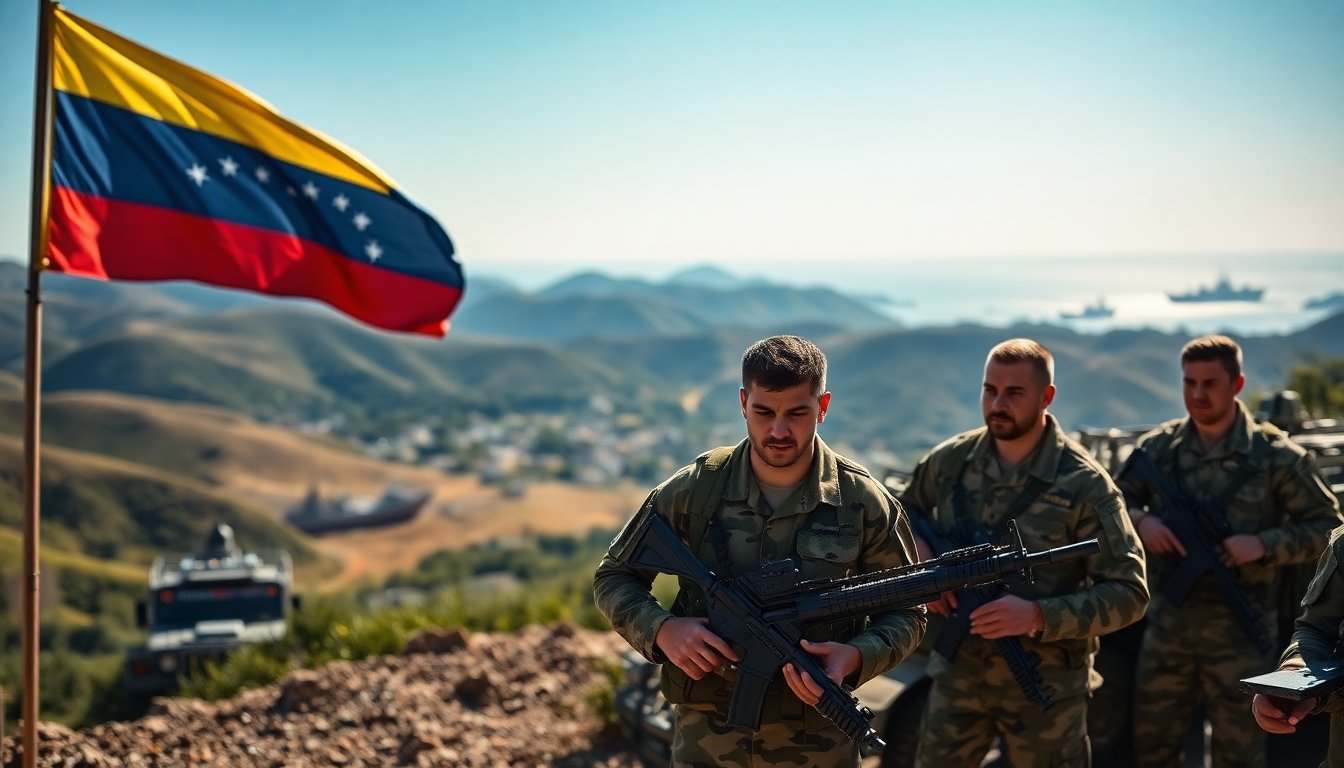
The alliance between Russia and Venezuela, rooted in mutual interests, faces challenges amid escalating tensions with the United States. On November 11, Venezuela announced a significant military mobilization, responding to the increased presence of U.S. forces in the Caribbean. This situation is further complicated by U.S. military operations targeting alleged drug trafficking vessels off the Venezuelan coast, alongside calls from certain officials for regime change in Caracas. In this context, Venezuelan President Nicolás Maduro has sought military support from Vladimir Putin, requesting weapons and other resources. However, Russia’s preoccupation with the war in Ukraine raises questions about the extent of its support for Venezuela.
Evolution of the Russia-Venezuela relationship
The partnership between Russia and Venezuela has transformed significantly since its inception under leaders Hugo Chávez and Vladimir Putin in 1999. In the early 2000s, during a boom in oil revenues, Russia took advantage of the situation, exporting arms and various goods while sending skilled workers to bolster the Venezuelan economy. However, dynamics shifted drastically after Venezuela entered a prolonged economic crisis in 2014, which limited its ability to invest in Russian products.
Impact of sanctions
As international sanctions tightened around Venezuela, particularly after the U.S. banned the sale of Venezuelan oil during Donald Trump’s presidency in 2019, the nation sought alternatives to maintain economic viability. This shift led Venezuela to turn to Russia for assistance in navigating the global financial landscape, as Russia was perceived as a more accessible partner. Nevertheless, Russia’s own sanctions following its invasion of Ukraine have complicated this relationship. The once beneficial alliance has become less advantageous for Venezuela, as Russia now grapples with its own economic challenges.
Current geopolitical implications
In light of recent developments, the Strategic Partnership Treaty signed by Moscow and Caracas holds significance. Russian Foreign Ministry spokesperson Maria Zakharova expressed support for Venezuela’s sovereignty. However, such statements often translate into limited tangible support on the ground. The potential for Russia to provide substantial military aid to Venezuela is questionable, particularly given the ongoing demands of the conflict in Ukraine.
Military considerations
Venezuela’s military capabilities, including advanced Russian-made systems like the S-300 air defense systems and Sukhoi fighter jets, could pose a challenge to U.S. forces. However, doubts persist regarding the operational status of these systems and Venezuela’s ability to maintain them adequately. While Russia could theoretically send technical advisors for assistance, such actions remain speculative. If tensions escalate to military conflict, it is unlikely that Russia would intervene decisively to support Venezuela.
Potential consequences for Russia
Should Maduro’s regime fall, the geopolitical repercussions for Russia may not be as significant as expected. The Kremlin appears willing to accept a loss of influence in Venezuela, viewing it as a potential bargaining chip in broader negotiations with the U.S. regarding Ukraine and other strategic interests. The current focus remains on Ukraine, indicating that Russia’s priorities have shifted away from maintaining its influence in Venezuela.
Public perception and media coverage
In Venezuela, public opinion regarding Russia is divided. Government supporters view Russian involvement positively, while the opposition perceives it negatively, attributing much of the current crisis to foreign influence. This polarization complicates the narrative surrounding military intervention, as voices from within Venezuela often go unheeded in international discussions. Many Venezuelans seek change; however, the potential cost of military conflict raises critical questions about the direction they wish to pursue.
The relationship between Russia and Venezuela is at a pivotal juncture, shaped by external pressures and internal dynamics. As both nations navigate these turbulent waters, the global implications of their alliance and the potential outcomes of their respective strategies merit close attention.


