
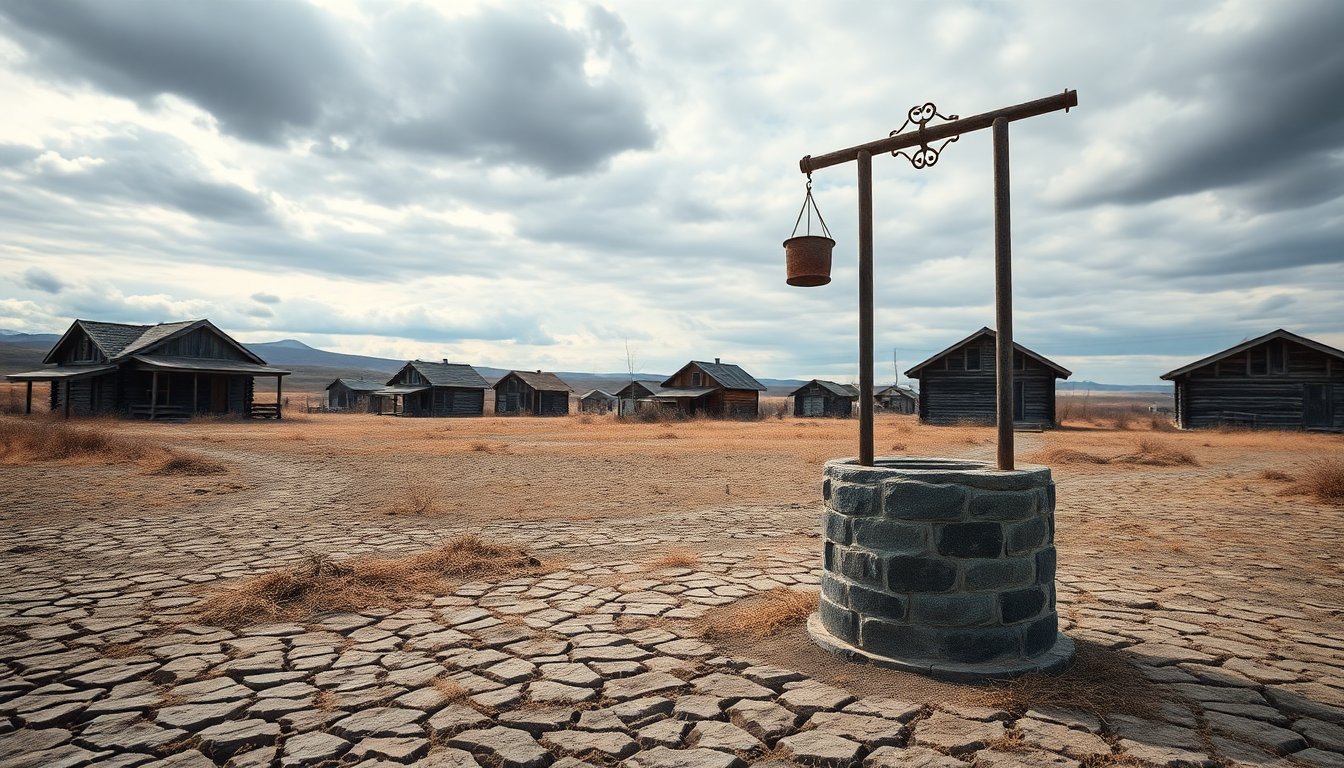
Despite possessing some of the world’s largest freshwater reserves, Russia faces a significant challenge: a considerable portion of its population lacks access to clean drinking water. An ambitious federal initiative aimed at addressing this crisis has largely fallen short. With a staggering budget of 200 billion rubles (approximately $2.5 billion) and an extensive timeline of five years, the initiative has yielded minimal results. Meanwhile, government expenditures on military operations have surged, overshadowing funds allocated for critical infrastructure developments such as water systems.
The village of Boyarsky, located along the shores of Lake Baikal, exemplifies this ongoing crisis. Known as the world’s largest freshwater lake, Boyarsky is home to just 70 residents, a significant decline from the 2010 census. The locals, primarily engaged in small-scale farming or railroad jobs, depend on rudimentary water sources, including two wooden wells and a pump, to meet their daily needs.
The dire situation in Boyarsky
In Boyarsky, the absence of a centralized water supply has forced residents to rely on outdated infrastructure. One well, constructed over three decades ago, struggles to provide reliable water, while the other, introduced in 2017 at a cost of 190,000 rubles (around $2,300), has also shown signs of compromise. Recent inspections revealed that both sources have been affected by snowmelt and rising groundwater contamination.
Frustration and hardship
Residents express their frustration as they seek solutions from various authorities. One villager remarked, “It’s absurd: Baikal is only 300 meters away, yet we still lack clean water.” Although officials have attempted to repair the existing wells, the fixes have proven temporary. For elderly residents, accessing water becomes increasingly challenging, often requiring them to trek to the lake directly and carry heavy loads back home.
The situation in Boyarsky is not unique; the entire Republic of Buryatia faces similar issues. Reports indicated that only 51% of the region’s population had access to clean tap water as of 2025. In the district center of Kabansk, over 2,000 residents must travel to fetch water, highlighting the extensive infrastructure gaps that persist.
Widespread implications across Russia
On a national scale, approximately 88.7% of Russians had access to safe drinking water as of 2025, according to the To Be Precise data project. This figure represents only a slight improvement from previous years, leaving around 16 million individuals without clean water. Residents frequently petition President Vladimir Putin regarding their dire circumstances, yet tangible changes remain elusive.
Underlining the root causes
Experts attribute the deteriorating situation to several interconnected factors, including aging infrastructure, pollution, and inadequate governmental oversight. A hydrotechnical engineer explained that climate change has heightened flooding risks, which in turn introduces contaminants into natural water sources. Moreover, a concerning rise in the number of surface water sources failing sanitary standards has been recorded, emphasizing the urgent need for effective monitoring and maintenance.
The Accounts Chamber of Russia revealed that by 2025, over two-thirds of water-intake facilities and three-quarters of water-supply systems were outdated. Alarmingly, only 1% of the infrastructure was replaced between 2025 and 2025, while pollution levels continued to escalate. In 2025, Russia reported a record number of extreme water contamination cases, further exacerbating the crisis.
Comparative spending priorities
The federal government’s Clean Water program allocated 53 billion rubles (approximately $654 million) for 2025, a sum that experts consider woefully inadequate for addressing urgent water needs in regions like Kalmykia, where only 7-10% of residents have access to clean drinking water. In stark contrast, Russia’s military expenditures in Ukraine reportedly reach around 30 billion rubles ($370 million) each day, highlighting a troubling disparity in funding priorities.
Although the government has invested substantial amounts into the Clean Water initiative and the Volga Recovery project, where only a fraction of the facilities met the required standards, the core issue remains unresolved. Many regions have reduced their efforts to basic litter cleanup along riverbanks instead of implementing comprehensive solutions. This lack of a systemic approach leaves countless settlements without basic sewage and centralized treatment facilities.
The village of Boyarsky, located along the shores of Lake Baikal, exemplifies this ongoing crisis. Known as the world’s largest freshwater lake, Boyarsky is home to just 70 residents, a significant decline from the 2010 census. The locals, primarily engaged in small-scale farming or railroad jobs, depend on rudimentary water sources, including two wooden wells and a pump, to meet their daily needs.0


