
Table of Contents
Somalia’s role in global trade dynamics
The intricate nature of global trade often unveils vulnerabilities in surprising ways. Disruptions to shipping routes, rising energy prices, and compromised supply chains can have far-reaching effects. A key area where these challenges manifest is the Red Sea and the Gulf of Aden, both of which are increasingly becoming hotspots for geopolitical tension. Amid this complexity, one nation is emerging with significant potential: Somalia.
Historically viewed through the lens of conflict and instability, Somalia is now entering a transformative phase. The nation is actively working to rebuild its state institutions and assert its sovereignty. Located at the intersection of the Arab world and Africa, Somalia’s geographical significance is paramount. It has evolved from a peripheral player to a central figure in the quest for regional stability.
Geopolitical importance of Somalia
Somalia possesses the longest coastline in mainland Africa, bordering critical maritime routes such as the Bab al-Mandeb strait, connecting the Red Sea to the Gulf of Aden and the larger Indian Ocean. This corridor is essential for global maritime trade and energy distribution. Disruptions along Somalia’s coast can lead to immediate and extensive consequences for shipping reliability, energy markets, and food security. These issues have a direct impact on the economies of Gulf states and the broader Arab world.
Partnering for security
For countries in the Arab world, Somalia should not be viewed as a distant entity, but rather as a vital ally in promoting regional security. The stability of Somalia is key to preventing threats such as violent extremism, human trafficking, and piracy, which could extend their reach into the Arabian Peninsula. By tackling these issues at their roots, Somalia can assist in safeguarding the Gulf states from potential destabilizing forces.
Somalia’s internal progress
Despite the perception of a nation grappling with instability, Somalia has achieved significant progress in recent years. The establishment of federal governance structures illustrates a shift toward organized statehood. Improvements in national security forces and advancements in public financial management demonstrate a commitment to developing a legitimate and functional state apparatus. Moreover, Somalia has reestablished its presence on the international stage by actively participating in organizations such as the Arab League and the African Union.
Economic integration possibilities
Beyond security concerns, Somalia’s significance is increasingly recognized in economic terms. Its membership in the East African Community places it within one of the fastest-growing regions for population and consumer markets. The rising demographic trends, along with urbanization and economic partnerships, position Somalia as a strategic link between Gulf investments and broader African economic expansion.
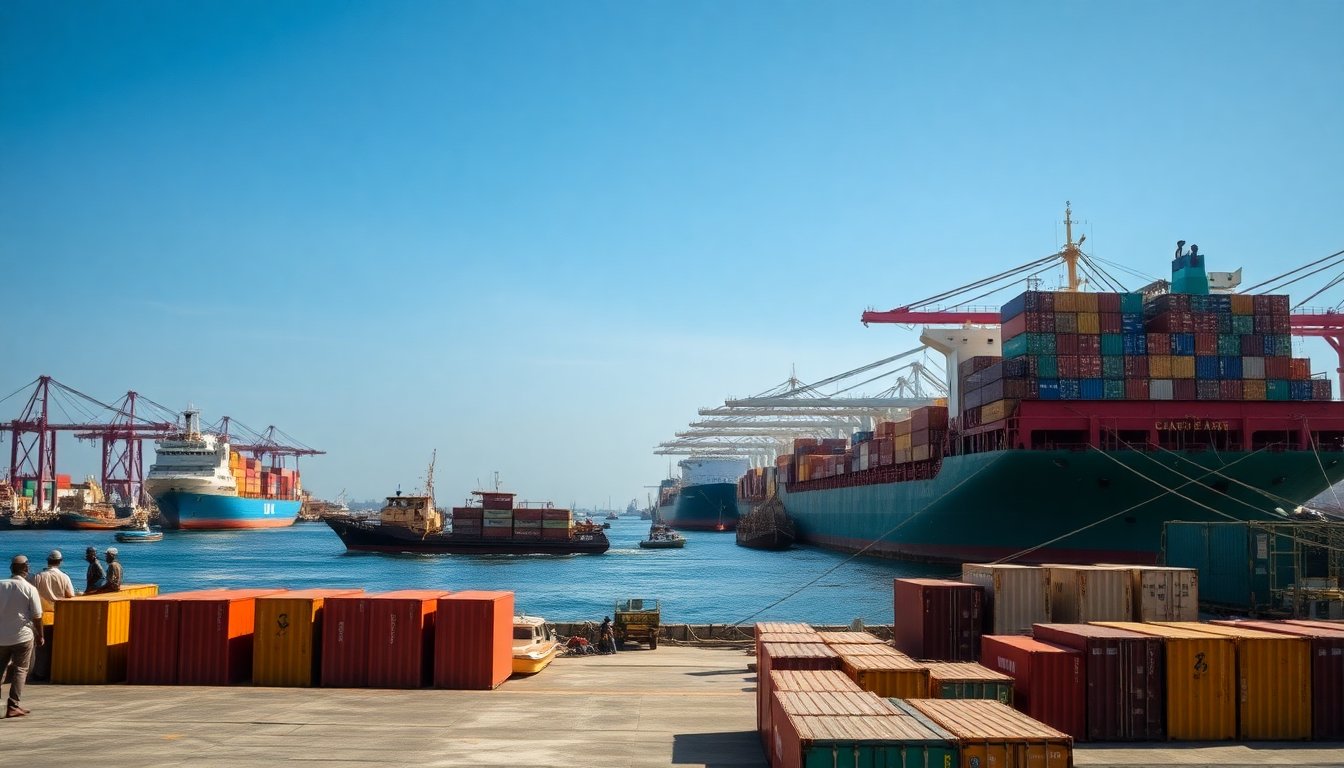
With focused investments in port infrastructure, transportation systems, and maritime security, Somalia is set to emerge as a crucial logistics and transshipment hub. This development is expected to facilitate trade and bolster food security for the Arab region.
Challenges and opportunities ahead
However, the path to stability in Somalia is marked by significant challenges. A capable security sector serves as the foundation for any sustainable progress. A well-functioning and nationally recognized Somali security apparatus is essential for fostering investment confidence and ensuring regional cooperation.
For Arab nations, supporting Somalia’s security initiatives transcends goodwill; it represents a strategic investment in a reliable partner that can help maintain order in the Red Sea and Gulf of Aden maritime routes. Effective Somali security institutions play a crucial role in countering transnational threats, safeguarding emerging logistics infrastructure, and preventing external actors from exploiting governance vacuums.
The evolving geopolitical landscape raises significant concerns for collective Arab security, particularly as fragmentation along the African coastline increases. Recent developments, such as Israel’s unilateral recognition of Somaliland, underscore the pressing need for unified strategies to mitigate the risk of external conflicts impacting Gulf security dynamics.
Somalia stands ready to enhance its role in fostering regional stability. By strengthening its security sector and improving logistics capabilities, the country can emerge as a key player in stabilizing the Red Sea and Gulf of Aden. This effort will not only serve Somalia’s national interests but also align with the broader objectives of the Arab world.