
Table of Contents
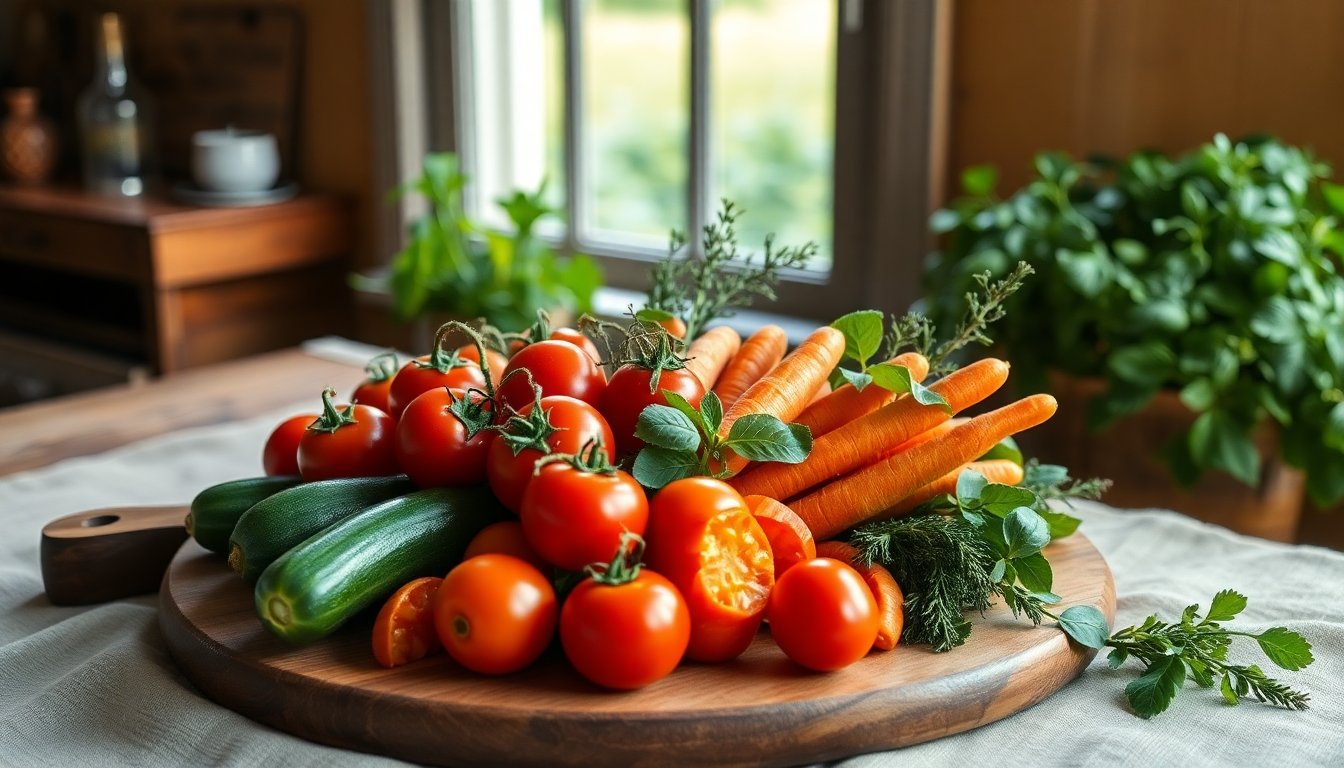
A plate filled with vibrant fruits and vegetables showcases the essence of seasonal cooking. The sweet aroma of ripe tomatoes blends with the earthy scent of freshly harvested herbs. This combination invites a culinary experience that emphasizes the story behind each ingredient and its connection to the land.
The story behind seasonal ingredients
Behind every dish lies a narrative woven from the culture and environment that nurtured its ingredients. Seasonal cooking reflects a return to our roots and a celebration of what nature offers at its peak. Choosing seasonal ingredients allows us to embrace the terroir—the unique characteristics imparted by local climate, soil, and farming practices.
For example, consider the humble zucchini, which flourishes in the warmth of summer. As the days grow longer, its flesh becomes tender and sweet, making it perfect for grilling or adding to a fresh salad. In contrast, winter brings hearty root vegetables like carrots and beets. Their natural sugars develop in the cold, yielding a sweetness that can transform a simple dish into a comforting delight.
As a former chef, I learned that sourcing ingredients in harmony with the seasons enhances flavors and supports local farmers and sustainable practices. This connection to the land fosters a sense of community and respect for the environment.
Accessible culinary techniques for seasonal flavors
Cooking with seasonal ingredients invites creativity and confidence into the kitchen. Understanding how to treat these ingredients with respect is crucial. Techniques such as sautéing, roasting, and fermenting can enhance seasonal produce while allowing their natural flavors to shine.
A classic example is ratatouille, a dish rooted in French tradition. This vibrant meal highlights summer vegetables like eggplant, bell peppers, zucchini, and tomatoes, simmered together to create a harmonious blend of umami flavors. Layering these vegetables allows each ingredient to contribute its unique essence, resulting in a dish that is both colorful and satisfying.
Embracing fermentation opens up a new realm of flavors. This technique not only preserves seasonal vegetables but also introduces complex tastes that can elevate even the simplest dishes.
Connecting with tradition and sustainability
The practice of cooking with the seasons is closely linked to cultural traditions. Each region has culinary practices that reflect the earth’s cycles. In Italy, for instance, the harvest celebration is a cherished ritual. Families gather to make passata from ripe tomatoes, preserving the essence of summer for the colder months.
By prioritizing filiera corta, or short supply chains, consumers benefit from fresher ingredients while also minimizing their ecological footprint. Supporting local farmers and markets nurtures a sustainable food system that benefits the entire community. This cycle honors the land and those who cultivate it, ensuring that each bite is filled with respect and gratitude.
As you embark on your culinary journey, consider visiting local markets or joining community-supported agriculture (CSA) programs. These resources can help you discover seasonal offerings in your area, inspiring you to create dishes that celebrate nature’s rhythm.
The art of seasonal cooking transcends mere flavors; it embodies a lifestyle that forges a connection to our environment and cultural heritage. Each dish carries a narrative, inviting exploration into its rich tapestry of taste and tradition. As you gather your ingredients, fuel your passion for cooking, and allow the seasons to direct your culinary journey, you can uncover unforgettable experiences in every meal.