
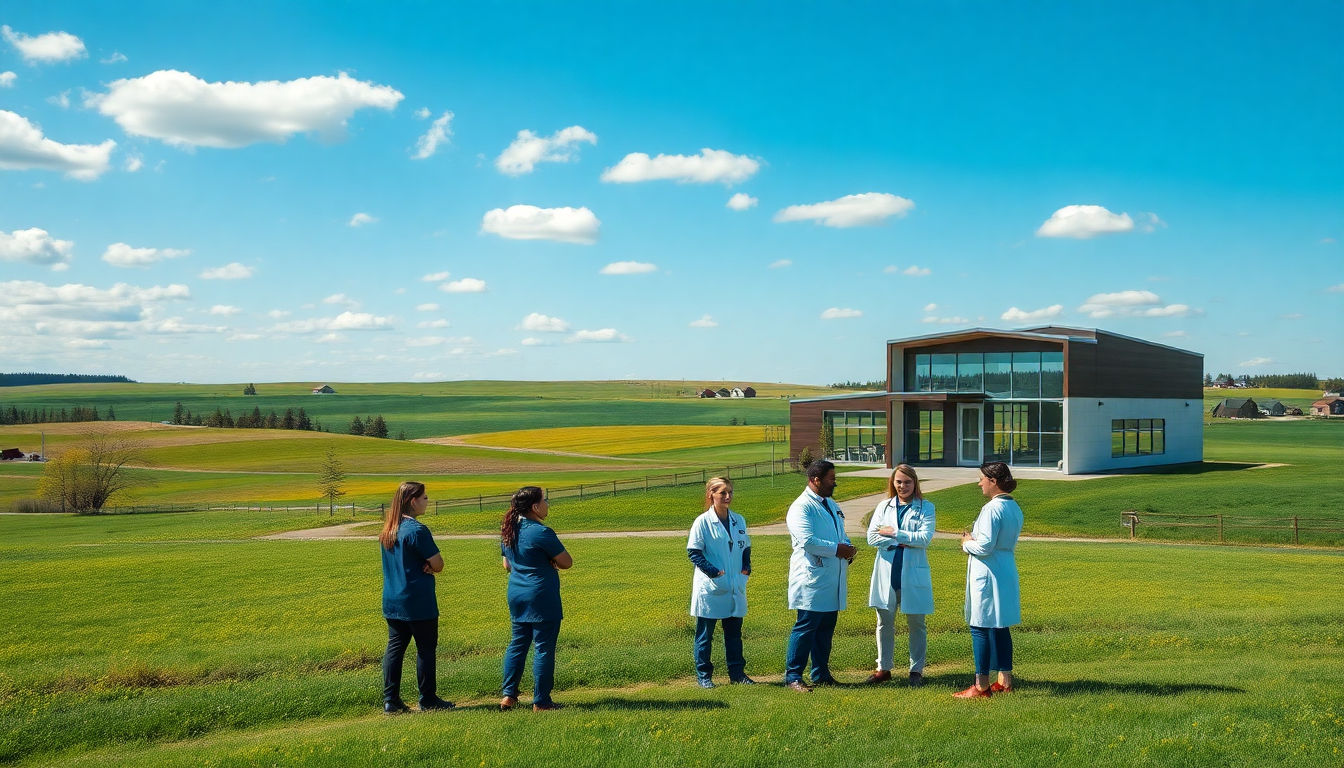
Rural communities in Saskatchewan are grappling with some serious healthcare hurdles. Recently, the government unveiled a plan to roll out a host of new and enhanced full-time healthcare positions in these remote areas. This initiative aims to tackle the ongoing service disruptions and prevent the all-too-common hospital closures that have been plaguing these regions. After all, having a strong healthcare workforce in rural areas is crucial, as access to medical care can often be limited.
What’s Going On with Healthcare in Rural Saskatchewan?
The healthcare scenario in rural Saskatchewan has been nothing short of challenging. Many residents find themselves waiting for ages to get medical services, sometimes needing to travel long distances just to see a doctor. This issue is compounded by a notable shortage of healthcare professionals who are willing to work in these remote locations. As a result, hospitals have had to scale back services or even shut down, leaving communities vulnerable and without essential healthcare resources.
Recent statistics paint a concerning picture of hospital closures in rural Saskatchewan, underscoring the urgent need for strategic action. Introducing new healthcare roles is a pivotal step toward rebuilding trust within these communities and ensuring residents can reliably access medical care. By investing in healthcare positions, the government is not just filling the immediate gaps in service but also working to create a more resilient healthcare system that can withstand future challenges.
The Game Plan for Healthcare Improvement
The Saskatchewan government has laid out a comprehensive strategy to boost healthcare services in rural communities. This plan includes recruiting full-time healthcare professionals like doctors, nurses, and specialists. By increasing the number of permanent roles, the government hopes to foster a more stable and reliable healthcare environment.
Moreover, these new positions will help cultivate a sense of community and collaboration among healthcare providers. When professionals work together in close-knit teams, they can more effectively address the unique needs of rural populations. This team-oriented approach is vital for enhancing patient outcomes and ensuring that medical services are customized to the specific challenges faced by rural residents.
The Upside for Rural Communities
The introduction of these enhanced healthcare positions holds a lot of promise for rural Saskatchewan. Not only will it help ease immediate service disruptions, but it will also represent a long-term investment in the health of these communities. Improved access to healthcare can lead to better preventative care, ultimately reducing the need for emergency services and hospitalizations.
What’s more, having healthcare professionals in rural areas can give a boost to local economies. As healthcare workers settle into these communities, they become part of the fabric of local life, supporting businesses and attracting further investments. This ripple effect can help rejuvenate rural Saskatchewan, making it an even more appealing place to live and work.


