
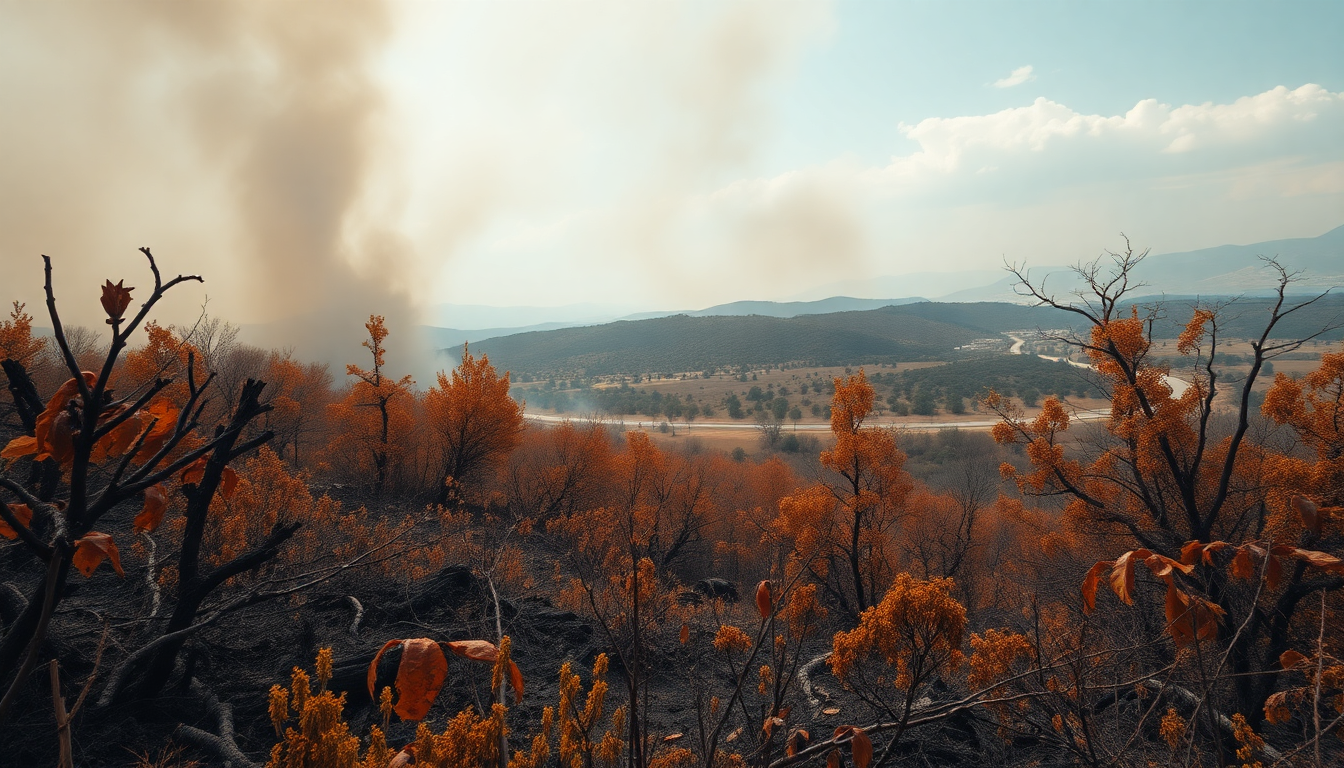
This summer, the Mediterranean has faced a heartbreaking wave of wildfires, highlighting a troubling mix of climate change, socio-economic neglect, and what some are calling disaster capitalism. Have you ever wondered why such catastrophic events seem to be happening more frequently? The truth is, the intensity and frequency of these fires have shifted dramatically, marking a new era where these tragedies are no longer anomalies but rather expected occurrences driven by systemic failures. Understanding these dynamics is crucial if we want to tackle the immediate and long-term challenges posed by these blazes.
The Alarming State of Mediterranean Wildfires
The scale of the wildfires across the Mediterranean is nothing short of alarming. By late August, over one million hectares had gone up in flames—a staggering figure that starkly contrasts with the average land area burned in previous years. Spain, in particular, has seen a dramatic increase, with the area burned skyrocketing from 40,000 to over 416,000 hectares in just a few weeks. Such statistics not only highlight the growing threat these fires pose but also reflect the highest fire-related emissions recorded since 2003.
These fires have led to tragic human losses, forcing thousands to evacuate their homes. But the impact doesn’t stop there; vital infrastructure has been compromised, and the toll of soaring temperatures has been equally devastating, with thousands of heat-related deaths reported. This grim reality underscores the urgent need to reevaluate how we manage and respond to wildfire threats. Are we prepared for the future?
What’s Behind the Flames? Climate Change and Policy Failures
It’s essential to recognize that these wildfires aren’t just natural disasters; they’re symptoms of deeper issues within our socio-economic systems. Climate change and neglect of land management play significant roles here. Have we prioritized profit over prevention? The answer seems to be yes, as evidenced by the significant cuts to fire prevention resources over the past decade. This neglect, combined with land-use policies that favor short-term economic gains—especially in tourism—has left many rural areas vulnerable.
The commodification of our natural resources has transformed landscapes, breaking the connections between local communities and their environments. Traditional agricultural practices have been pushed aside, making way for industrial agriculture that prioritizes monocultures and urban expansion. In this context, wildfires aren’t just accidents; they’re predictable outcomes of a system that values growth over sustainability.
Human Impact: Who’s Affected?
The consequences of these fires disproportionately affect marginalized communities—workers, rural populations, and migrants often bear the brunt of such disasters. Isn’t it striking how socio-economic divides become even more pronounced in the face of environmental challenges? These fires reveal the systemic inequalities that shape our societies.
As the Mediterranean grapples with this new “climate normal,” where heat and drought create conditions ripe for disaster, managing our forest ecosystems has never been more critical. A shift toward sustainable land management practices is vital. Degraded forests still play essential roles in carbon capture, cooling, and ecological stability. We must prioritize a balanced relationship with nature, one that emphasizes biodiversity and community involvement.
Looking Ahead: The Call for Ecosocial Justice
Amidst the rising flames, a wave of resistance is emerging from communities advocating for sustainable practices and environmental justice. Movements focused on agroecology and climate justice are challenging the economic paradigms that have led to this crisis. They remind us that as forests blaze, so too does the systemic order that fuels their destruction. How can we shift this narrative?
To break the cycle of accumulation and exploitation, we need to reframe our social and ecological relationships. Emphasizing ecological and social justice is essential to moving away from the patterns that have led to these catastrophic fires. A commitment to sustainable development and collective well-being is necessary if we hope to reshape our future.
In conclusion, the Mediterranean wildfires are a stark reminder of our urgent need for a paradigm shift. If we want to avoid the harsh realities of our current trajectory, we must prioritize life, sustainability, and justice in our socio-economic frameworks. Only then can we forge a path towards a more equitable and resilient future. So, what steps can we take today to make a difference?


