
Table of Contents
The recent mid-air collision in Washington, D.C., which tragically claimed the lives of 67 individuals, has ignited a crucial conversation about the complex world of air traffic control. As investigations continue, we’re starting to uncover the challenges that come with managing air traffic in such a bustling environment. This incident not only serves as a solemn reminder of those who were lost but also presents an invaluable opportunity to enhance safety protocols across the aviation industry.
Understanding Air Traffic Control Operations
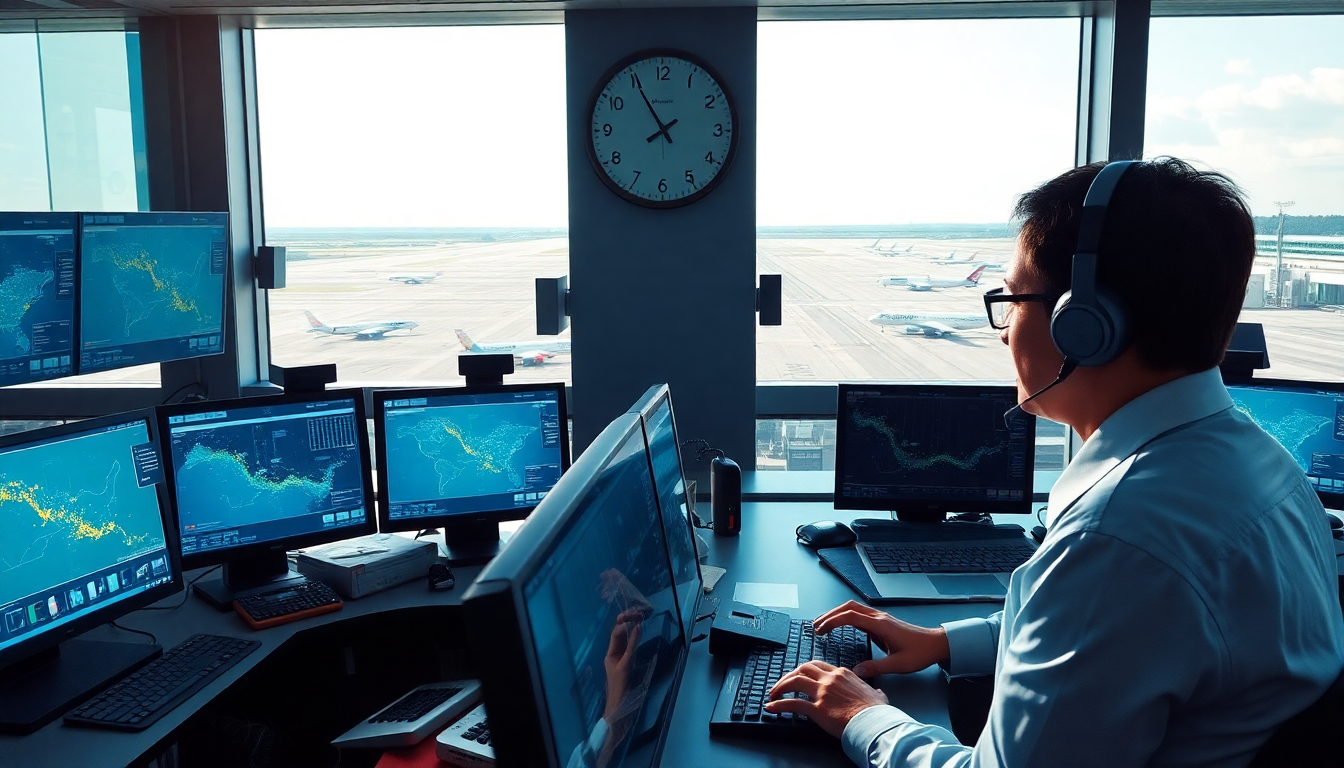
Air traffic control (ATC) is like the nervous system of aviation safety, ensuring that aircraft can take off, land, and navigate through crowded airspace without a hitch. At busy airports like Ronald Reagan National Airport, ATC faces the daunting task of juggling a high volume of flights while keeping everyone safe. On the fateful night of the collision, the controller was juggling communications with 21 different aircraft—an incredibly demanding job that can easily lead to mistakes.
During the National Transportation Safety Board (NTSB) hearings, it became clear that the controller felt overwhelmed just moments before the crash. This highlights the immense pressure those in ATC face regularly. The FAA’s acknowledgment of a potential communication error points to a critical area of concern, underlining the necessity for comprehensive training and support for air traffic controllers, especially in high-stress situations.
Adding to the complexity is the reliance on visual separation techniques, where pilots and helicopter crews are expected to stay alert to each other’s presence. While this method can work well under ideal conditions, it can quickly lead to dangerous situations if miscommunication occurs, as tragically illustrated by the recent collision.
What Led to the Collision?
The details surrounding the incident reveal several factors that contributed to this tragic outcome. The sheer volume of takeoffs and landings, combined with heavy helicopter traffic, pushed air traffic controllers to their limits. The use of Runway 33, a shorter landing strip, added another layer of complexity, as it required commercial jets to alter their usual flight paths.
In the moments leading up to the crash, the controller was actively seeking pilots willing to land on this shorter runway to relieve some of the pressure on the main runway. While such tactical decisions aim to optimize traffic flow, they can also inadvertently heighten risks, especially when they compromise essential communication protocols.
Moreover, the NTSB hearings highlighted the critical need for clear communication between air traffic controllers and pilots. The failure to alert the crew of the American Airlines flight about the approaching helicopter was identified as a major oversight. Such lapses can have catastrophic consequences, emphasizing the urgent need for strict adherence to safety protocols and the implementation of immediate corrective measures.
Impacts on Future Air Traffic Management
The fallout from this collision has sparked a reevaluation of air traffic management practices, particularly at busy airports. In response to the pressures highlighted by this incident, the FAA has decided to reduce the maximum arrival rate at Ronald Reagan National Airport to 30 aircraft per hour. This adjustment reflects a growing recognition that safety must always come first, even if it means sacrificing some operational efficiency.
Staffing issues within ATC towers have also been flagged as a significant concern. With only 19 out of 26 controllers available to work on that night, addressing these staffing shortages is crucial for effective air traffic management. As the aviation industry continues to recover from the COVID-19 pandemic, ensuring that ATC facilities are adequately staffed will be essential in preventing future incidents.
Finally, there’s a pressing need for more robust training programs for air traffic controllers, focusing on enhancing communication skills and situational awareness. Given the complexities of air traffic control, investing in human resources is vital for bolstering overall aviation safety.