
Table of Contents
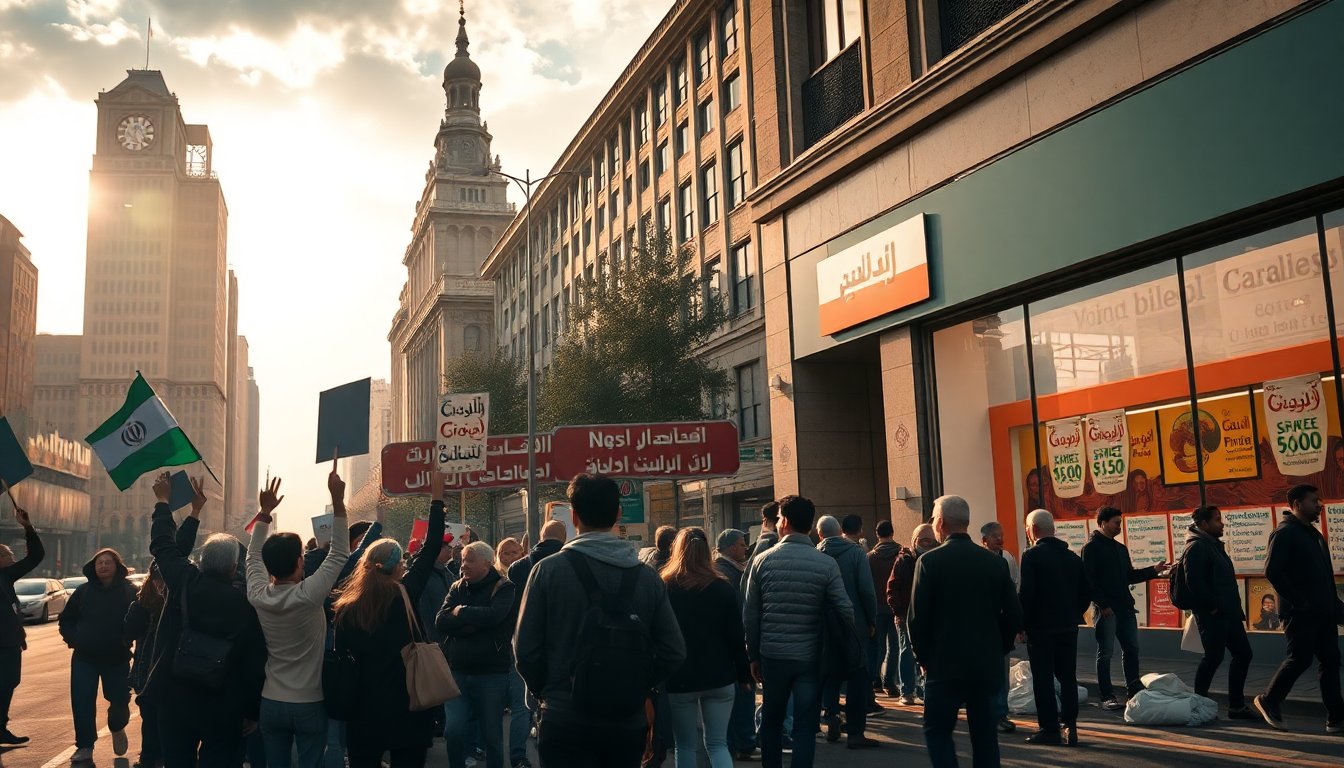
The recent protests in Iran have brought the nation into the global spotlight, revealing deep-rooted grievances that have persisted beneath the surface. Although the demonstrations have seemingly diminished, the underlying issues that fueled the unrest remain unresolved, causing experts to speculate on Iran’s next steps. With a flailing economy, strained diplomatic relations, and the constant threat of external aggression, Iran stands at a pivotal moment in its history.
Background of the unrest
The protests unfolded in late December due to frustrations over a dramatic decline in the value of the Iranian rial, evolving into widespread calls for the overthrow of the current regime. This wave of dissent has led to severe crackdowns, resulting in thousands of arrests and significant loss of life. Reports vary, but estimates suggest that over 4,500 individuals may have perished during the unrest, a staggering figure that underscores the intensity of the situation.
The economic crisis
Central to the unrest is Iran’s deteriorating economy, which has been hampered by decades of international sanctions and domestic mismanagement. The inflation rate, which skyrocketed to over 42% last year, has severely impacted the average citizen’s quality of life. In contrast, just six years prior, the inflation rate was significantly lower, reflecting the drastic economic decline following the withdrawal of the United States from the nuclear deal in 2018.
Moreover, the Iranian government has struggled to provide basic services amid rampant corruption and resource misallocation. Chronic issues such as electricity outages and water shortages only exacerbate the daily struggles faced by the populace, leaving many citizens disillusioned with their government’s ability to meet their needs.
Political implications and international relations
In order to alleviate some of the economic pressures, Iran may need to engage in negotiations with the United States, a challenging prospect given the country’s established positions on its nuclear program and regional alliances. Concessions on these pivotal issues could represent a significant shift in Iran’s long-standing foreign policy, which has historically prioritized its sovereignty and regional influence.
The role of leadership
The leadership under Supreme Leader Ali Khamenei faces a critical test. While there have been indications of a willingness to discuss limitations on the nuclear program, the potential for compromise on ballistic missile development and support for allied groups in the region remains uncertain. Analysts contend that Khamenei’s decision-making is hindered by the fear of a backlash from hardliners within Iran, complicating the path towards diplomacy.
Additionally, the Iranian regime must grapple with the perception of legitimacy among its citizens. The social contract that once guaranteed security in exchange for political freedom has eroded, particularly following the violent confrontations of the past year. With public trust at a low point, the government must work to redefine its role and purpose to ensure its survival.
Future outlook and potential changes
The question of whether transformation is on the horizon for Iran is increasingly unavoidable. Some experts argue that a shift in leadership may be inevitable following Khamenei’s eventual departure. The rise of the Islamic Revolutionary Guard Corps (IRGC) as a dominant political and economic force suggests that Iran’s governance may evolve towards a more militarized structure, potentially altering the landscape of power.
As the country navigates these tumultuous waters, the potential for renewed protests looms large. The combination of economic hardship and environmental crises—such as prolonged droughts—has already served as a catalyst for dissent, and as conditions remain dire, the likelihood of public unrest may continue to grow.
Ultimately, the path forward for Iran remains unclear. The interplay of domestic challenges and international pressures will define the trajectory of the nation in the coming years. As the Iranian populace calls for accountability and change, the ruling authorities must confront the reality that their hold on power is increasingly precarious.