
Table of Contents
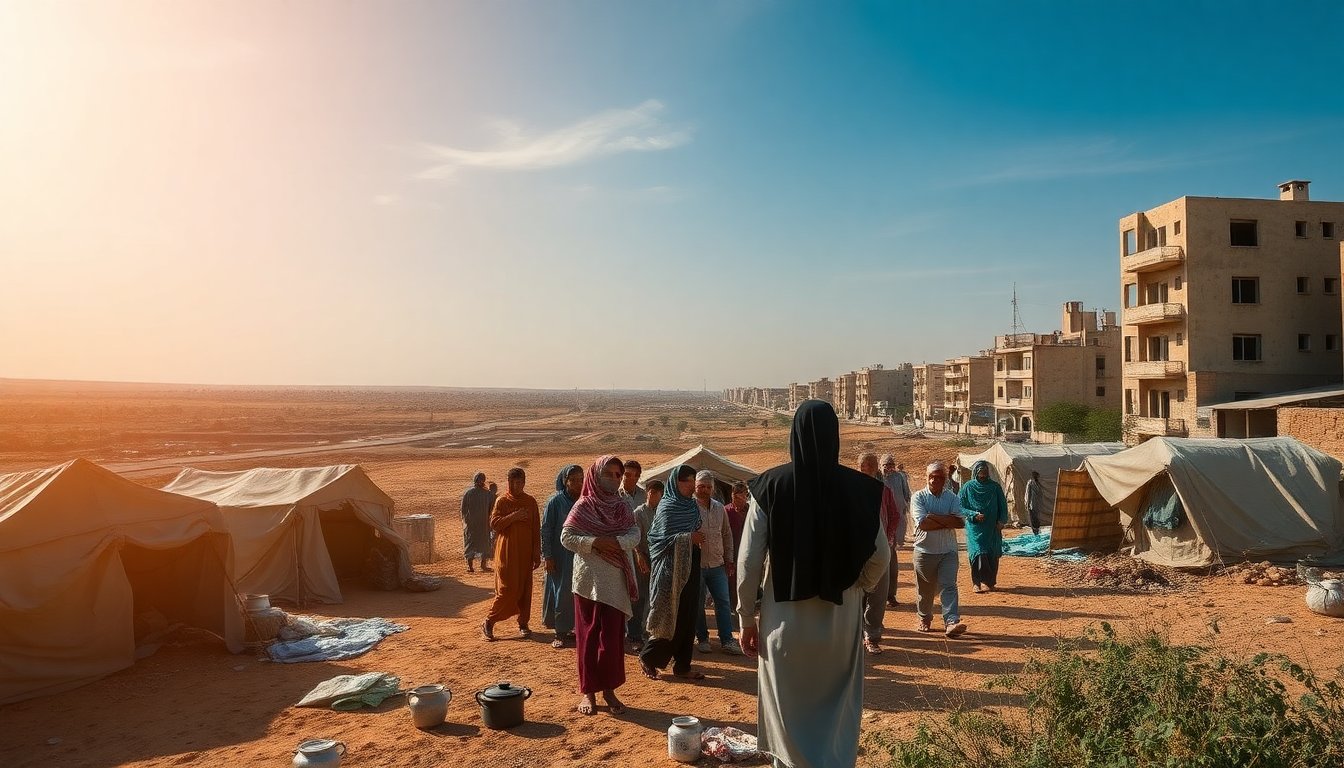
In late October, the city of El Fasher in Sudan became the epicenter of a catastrophic humanitarian crisis. A massacre carried out by the Rapid Support Forces (RSF) has drawn chilling parallels to historic genocides, resulting in countless civilian deaths and widespread displacement. This tragic chapter highlights the violence endured by the people of Darfur and underscores the ongoing struggles stemming from Sudan’s turbulent past.
As the civil war in Sudan escalated, El Fasher, the capital of North Darfur, found itself besieged. The RSF, a paramilitary group that emerged from the notorious Janjaweed militias, launched a brutal campaign against the city’s remaining residents. The events following October 26, when the RSF seized control, reflect Sudan’s history of ethnic cleansing and mass atrocities.
The descent into chaos
The conflict in Sudan has its roots in a power struggle between the Sudanese Armed Forces (SAF) and the RSF. As these factions clashed, El Fasher witnessed its first major battle in April, leading to a rapid decline in humanitarian conditions. By May, the city’s population swelled to approximately 1.5 million, largely due to the influx of internally displaced persons seeking refuge from surrounding violence.
The humanitarian disaster unfolds
When the RSF launched their offensive in late October, El Fasher’s remaining civilians were caught in a relentless assault. Reports indicated that tens of thousands had already been killed, with many more trapped and unable to escape the chaos. The RSF employed tactics that included indiscriminate killings and targeted attacks on specific ethnic groups, reminiscent of previous genocides. The situation quickly deteriorated, further complicated by a communications blackout that hindered assessments of the crisis.
Mass atrocities and ethnic cleansing
Following the RSF’s takeover of El Fasher, a wave of violence erupted. Eyewitness accounts described harrowing scenes of mass executions, with civilians labeled as enemies for merely remaining in the city after the SAF’s retreat. Allegations of sexual violence against women and girls compounded the tragedy, with survivors recounting brutal assaults echoing the horrors of past conflicts in the region.
Global implications of the massacre
The international community has expressed alarm over the events in El Fasher. Organizations such as the United Nations and various non-governmental organizations have called for urgent action to address the humanitarian crisis. They highlighted that dire circumstances are compounded by restricted access to essential resources, with food and medical supplies severely limited. As the RSF solidified their control over the city, reports of starvation and malnutrition among the displaced population began to emerge.
Moreover, the RSF’s alleged connections to foreign powers, including financial support from the United Arab Emirates, raise concerns about the geopolitical implications of the conflict. Critics argue that these external influences exacerbate the violence and instability in Sudan, making it imperative for the global community to intervene and provide humanitarian assistance.
As the situation in El Fasher continues to unfold, the need for a comprehensive response to support affected populations grows ever more urgent. The legacy of violence in Sudan is not just a historical footnote but a living reality that demands immediate attention.