
Table of Contents
The recent shooting of Renee Nicole Good by a U.S. Immigration and Customs Enforcement (ICE) agent has sparked nationwide outrage and raised serious concerns about policing practices. The incident in Minneapolis highlights issues related to the use of force and the wider implications of federal law enforcement in immigrant communities.
At the center of this tragedy is Jonathan Ross, the ICE agent involved. With over two decades of experience in law enforcement and military service, Ross has held significant roles within federal agencies. However, the circumstances surrounding the fatal encounter with Good, a 37-year-old mother of three, have ignited a political firestorm, raising questions about accountability and transparency in law enforcement.
Background on the incident
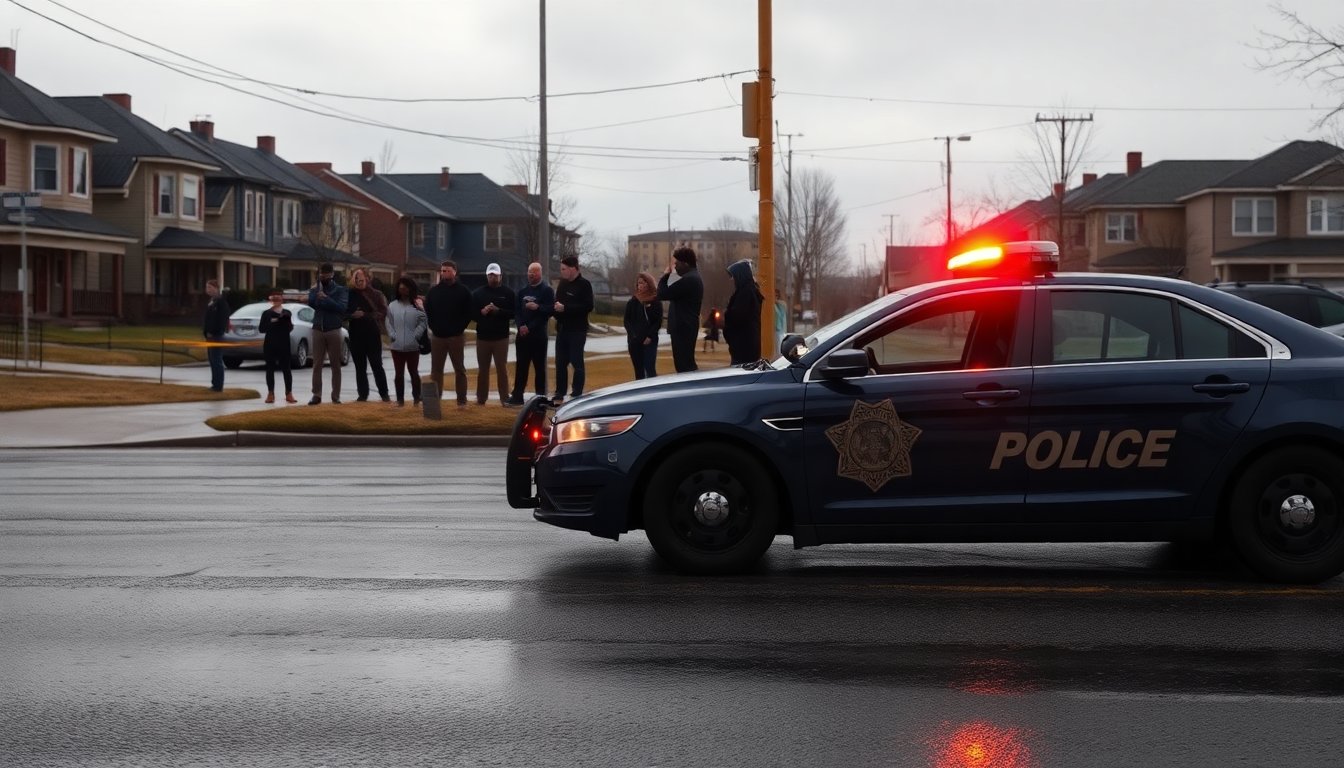
The events leading to Good’s death occurred on January 7, during an ICE operation in a residential area of Minneapolis. Reports indicate that Good was inside her vehicle when ICE agents approached. Witnesses and videos depict a chaotic moment as officers attempted to pull her from the car. As tensions escalated, Ross discharged his weapon, leading to Good’s tragic death.
The fallout from the shooting
In the aftermath, the FBI took control of the investigation, which has frustrated Minnesota’s state officials. Initially, the state’s Bureau of Criminal Apprehension (BCA) was set to collaborate with federal authorities but was later sidelined. This prompted accusations of a lack of transparency and fairness in the investigation. BCA Superintendent Drew Evans expressed concerns about the inability to access crucial evidence needed for a thorough inquiry.
Governor Tim Walz of Minnesota has emphasized the need for state involvement, stating that the BCA has the expertise and community trust to handle sensitive matters. He raised significant doubts about the integrity of the investigation, especially given the political implications surrounding the case.
The political implications
This incident has become a focal point for debates on immigration policy and law enforcement tactics, particularly under the administration of former President Donald Trump. Critics argue that the Trump administration exacerbated tensions with aggressive ICE operations, especially in areas with large immigrant populations. Good’s death is seen by many as a consequence of this hardline approach to immigration.
Public response and protests
Following the shooting, extensive protests erupted across Minneapolis and in cities nationwide. Demonstrators condemned the actions of the ICE agent and called for justice for Good. Approximately 1,000 individuals gathered at a federal building to voice their outrage, chanting phrases like “shame” and “murder.” The protests reflect not only anger at the specific incident but also broader frustrations with federal immigration enforcement practices.
In response to the growing unrest, Governor Walz declared a “day of unity” to honor Good’s memory, urging the community to stand together for principles of compassion and justice. Demonstrations have also been planned in numerous cities across the country, indicating widespread demand for accountability in law enforcement.
As the investigation continues under FBI oversight, key figures, including Minnesota’s Attorney General Keith Ellison, have indicated that state authorities may pursue their own investigation, despite federal resistance. This determination highlights the ongoing tension between state and federal entities regarding investigations into police use-of-force incidents.
Implications for law enforcement
The shooting of Renee Nicole Good underscores the complexities and challenges surrounding law enforcement in immigrant communities. As the investigation unfolds, the implications extend beyond Minneapolis, resonating with national conversations about immigration, policing practices, and community trust in law enforcement. The call for transparency and accountability remains at the forefront as the public seeks answers and justice for a life tragically cut short.