
Table of Contents
The palate does not lie
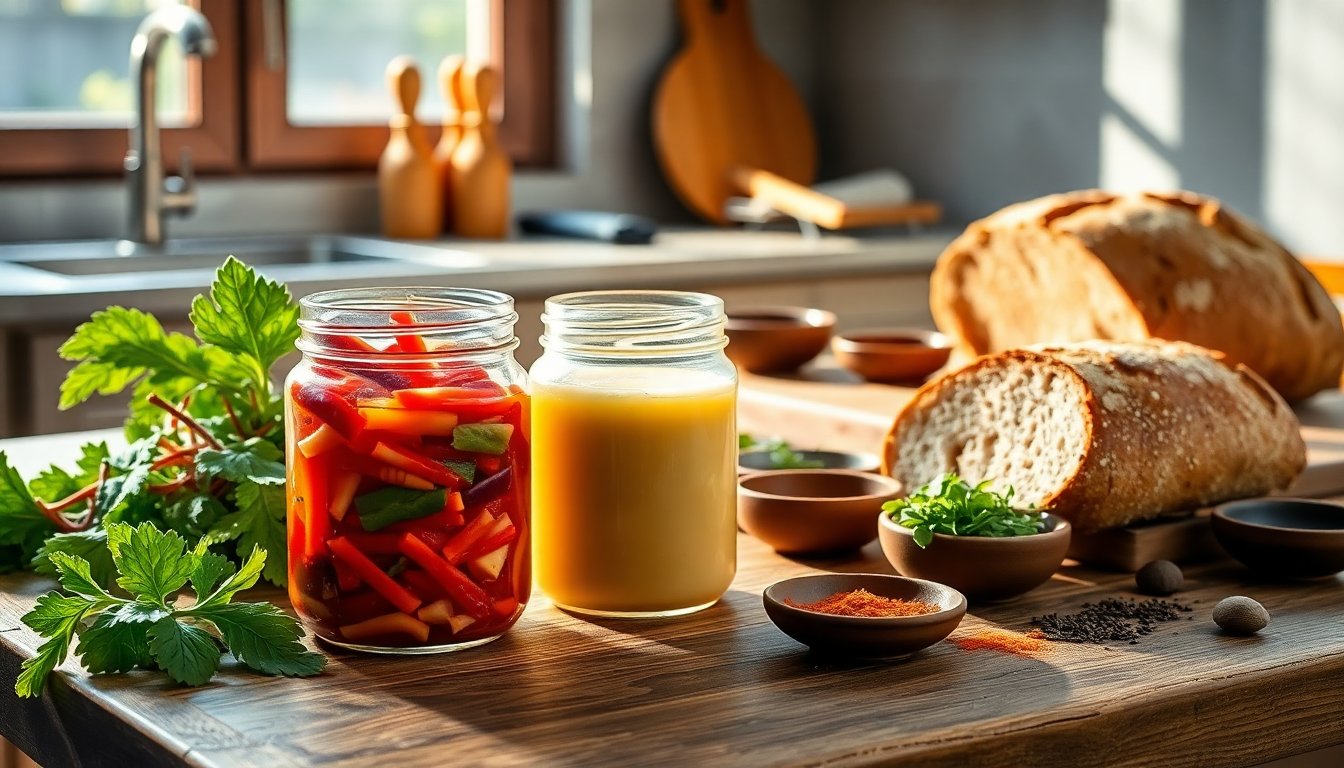
Imagine biting into a slice of sourdough bread, its crust crackling beneath your teeth. The soft, tangy interior dances on your tongue, showcasing the magic of fermentation. This culinary process transforms ingredients while telling stories of culture and heritage.
Behind every dish lies a story
Fermentation has been a cornerstone of human survival for centuries. It preserves food and enhances flavors. From the pungent aroma of kimchi to the subtle complexity of miso, fermented foods provide a sensory experience that connects us to the earth and to each other. This process relies on microorganisms—bacteria, yeast, and molds—to break down sugars and create new flavors, textures, and aromas.
Accessible techniques for all
As a chef, I learned that the technique of fermentation is accessible to everyone. You do not need to be a professional to embark on this flavorful journey. Start with simple ingredients like cabbage or cucumbers, allowing them to mingle with salt and time. As the days pass, the magic unfolds, transforming humble vegetables into vibrant, tangy delights.
Understanding terroir
Fermentation is deeply rooted in the terroir of our regions. In Italy, for example, the art of making aceto balsamico has been perfected over generations. This exquisite vinegar, aged in wooden barrels, reflects the unique climate and local ingredients, embodying the spirit of its place of origin. Each drop tells a story of the land, the people, and the traditions that shape our culinary landscape.
Embrace the experience
Experience the transformative power of fermentation in your own kitchen. Experiment with different ingredients, embrace the unpredictability, and savor the rewards of your efforts. Every bite is a testament to the harmony between nature and nurture, a celebration of flavors that reminds us of our connection to the world around us.