
Table of Contents
In recent years, Ireland has emerged as a focal point for discussions surrounding immigration, particularly due to an influx of refugees fleeing conflict. The country, historically recognized for its welcoming nature, now grapples with increasing social unrest and protests. This shift has created a palpable sense of unease, even among long-standing immigrant communities.
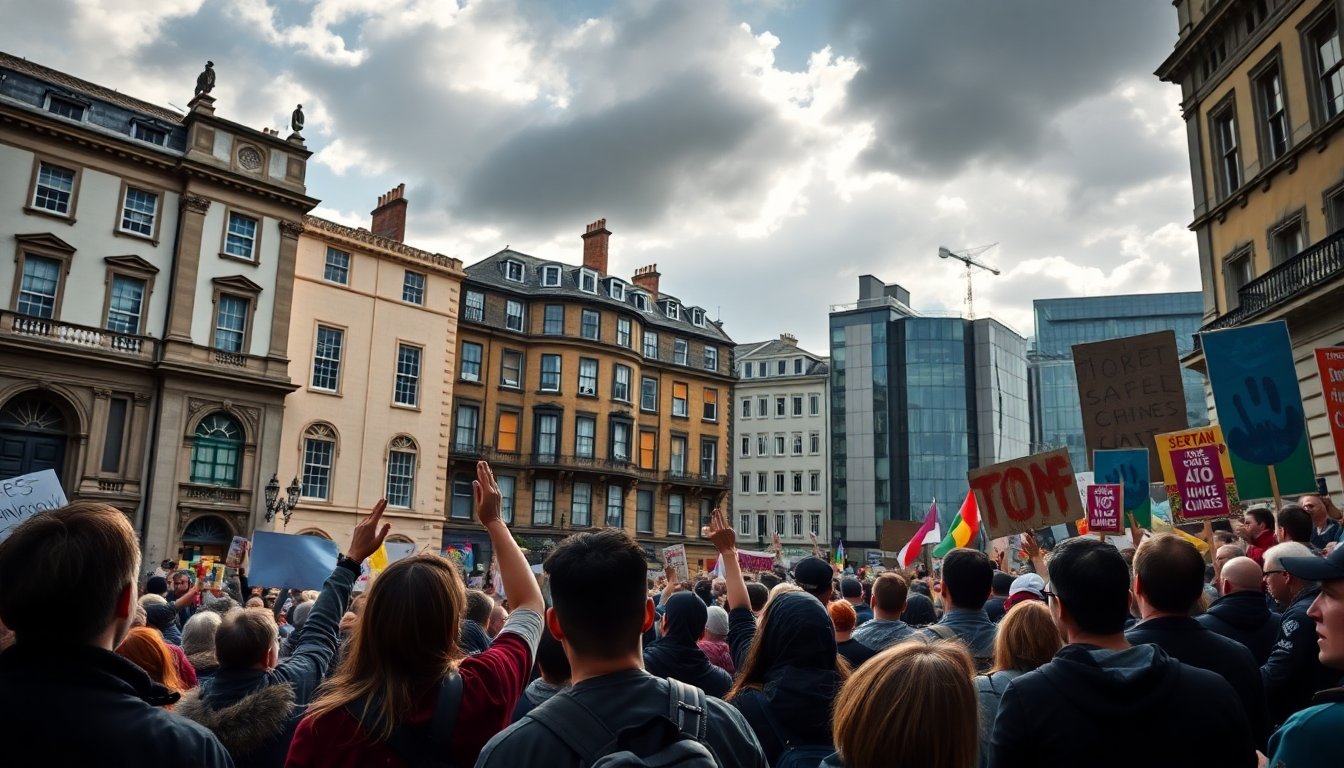
Dublin has become a microcosm of these tensions. Once celebrated for its hospitality, the city is now witnessing protests and acts of violence aimed at resettlement centers. The growing dissatisfaction among certain population segments raises concerns about the potential resurgence of political violence reminiscent of past conflicts.
The changing landscape of immigration in Ireland
Historically, Ireland has been a nation of emigrants, with millions seeking better opportunities abroad. Recently, however, the country has transformed into a destination for migrants from various backgrounds, particularly those fleeing crises in their home countries. The response to this shift has been mixed; some embrace the new arrivals, while others express increasing discontent.
The Ukrainian refugee crisis
The ongoing conflict in Ukraine has led to a significant influx of refugees seeking safety in Ireland. While many have received compassion and support, underlying currents of frustration exist among certain groups. For instance, Alyona, a Ukrainian refugee, reflects on her journey and the warmth she initially encountered, contrasting it with the anxiety she now feels in her new home. This sentiment resonates with many who feel that the welcome they once experienced has begun to fade.
As the number of refugees increases, so do the challenges associated with housing and integration. The pressure on local resources has sparked debates about the sustainability of Ireland’s immigration approach, with some arguing that the government is ill-equipped to manage the growing numbers. This has led to a rise in protests, with some groups claiming their cultural identity is under threat.
Societal backlash and emerging threats
As tensions escalate, the emergence of radical groups raises alarms. The New Republican Movement, for example, has rallied against what it perceives as cultural degradation fueled by non-European immigration. Their rhetoric reflects a concerning shift from traditional sectarian divisions to a more generalized sentiment of xenophobia. This new narrative has united previously opposing factions within Irish society, posing a significant risk to social cohesion.
The role of misinformation
The rise of misinformation, often propagated through social media, has further exacerbated these tensions. False narratives about migrants and their impact on local communities have fueled fears and mistrust. Incidents of violence, such as the arson attack on a hotel housing refugees in Donegal, serve as stark reminders of the potential consequences of this misinformation. Reports indicate that similar attacks have occurred across the country, leading to a climate of fear among both migrants and long-standing residents.
Furthermore, incidents involving migrants, such as a recent knife attack in Dublin, have triggered violent protests and heightened tensions. The volume of protests against immigration has surged dramatically over the past year, indicating a troubling trend with potential long-lasting implications for Ireland’s social fabric.
A precarious future
The situation in Ireland is increasingly precarious. The convergence of economic pressures, rising nationalism, and the challenges of integrating a diverse population has created a perfect storm of discontent. As the government grapples with these complex issues, the risk of reverting to a state of political violence looms large. The historical context of the Troubles serves as a cautionary tale, underscoring the potential for conflict when societal divisions deepen.
As Ireland navigates its role as both a haven for refugees and a nation grappling with its identity, the path forward remains uncertain. The growing polarization within society necessitates urgent action to foster dialogue and understanding among communities. Addressing the root causes of discontent and ensuring all voices are heard will be critical in preventing the escalation of tensions.