
Table of Contents
Hostilities along the border between Tajikistan and Afghanistan have escalated, with Tajik authorities reporting a series of armed incursions. These incidents, which have resulted in fatalities, particularly among Chinese workers, highlight the fragile relationship between Tajikistan and the Taliban. The Taliban’s failure to maintain order and security in the region raises questions about their governance capabilities.
This article explores the causes of these border skirmishes, their implications for Tajikistan’s relationship with the Taliban, and the potential impact on Chinese nationals and businesses operating in the area.
The evidence
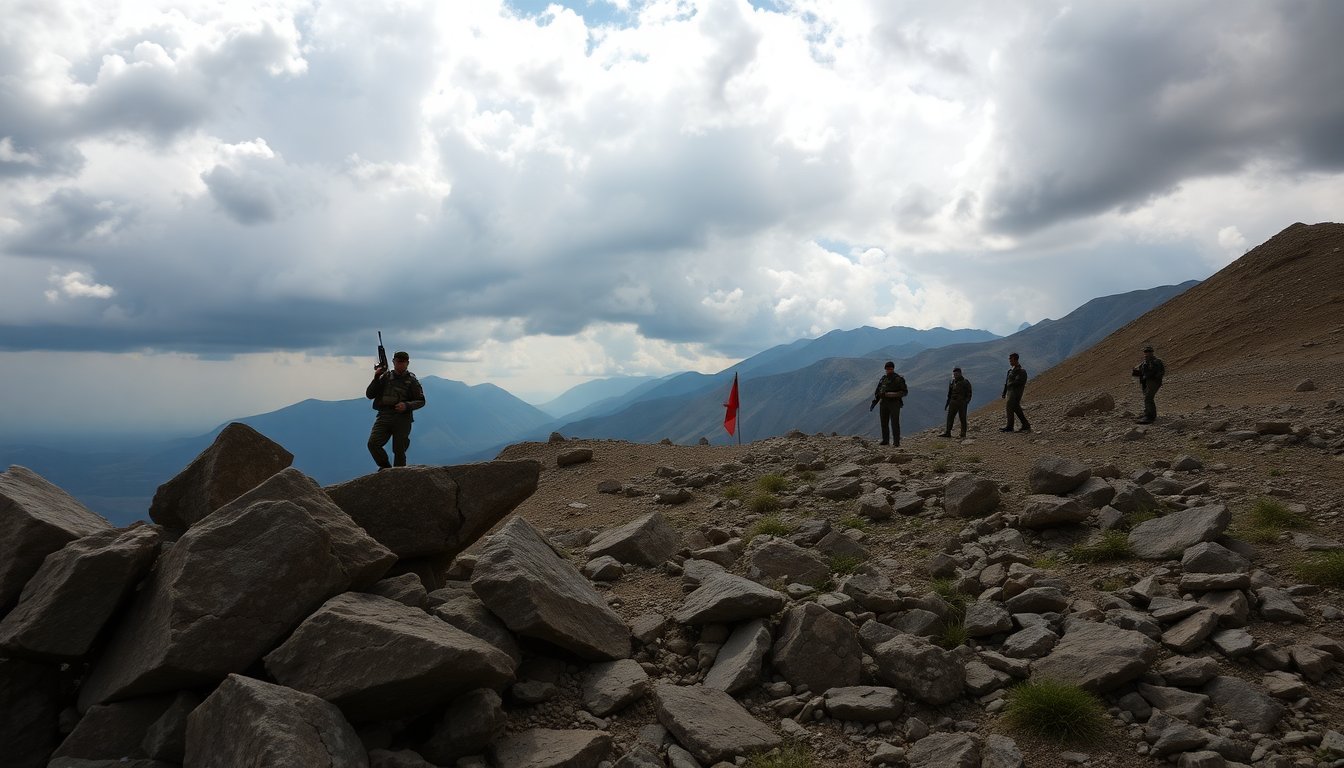
The border, approximately 1,340 kilometers (830 miles) long along the Panj River, presents a challenging landscape characterized by mountainous terrain. Armed groups crossing from Afghanistan have been attributed to recent clashes, with the Tajik State Committee for National Security reporting multiple armed intrusions throughout December. In the latest incident, three assailants and two Tajik security personnel were killed, marking a troubling escalation in violence.
Tajikistan has consistently expressed its opposition to the Taliban’s resurgence in Afghanistan, viewing their rule as a potential threat to regional stability. The Tajik authorities have labeled the attackers as terrorists, reflecting their concerns over the Taliban’s ability to control extremist factions operating within Afghan territory.
Recent attacks targeting Chinese nationals
Recent attacks have explicitly targeted Chinese enterprises and workers in Tajikistan. With Beijing being Dushanbe’s largest creditor and a crucial economic partner, the safety of Chinese nationals is paramount. Reports indicate that on November 26, a drone strike targeted a compound belonging to a Chinese gold-mining company, resulting in the deaths of three Chinese citizens. Following this, another armed assault on workers from the China Road and Bridge Corporation led to further casualties.
The Tajik government has not publicly disclosed the motives behind these attacks, but the pattern suggests a focus on undermining Chinese investments in the region. Analysts speculate that these actions may be linked to the ISIS-Khorasan affiliate, which aims to destabilize the Taliban by attacking foreign nationals and tarnishing their reputation as reliable security providers.
The reconstruction
The ongoing violence along the Tajikistan-Afghanistan border poses significant risks for both regional stability and economic partnerships. The Tajik government has called for the Taliban to take responsibility for ensuring security along their shared border, emphasizing the need for effective measures to prevent further attacks. Failure to address these security concerns could lead to a deterioration in relations between Dushanbe and Kabul.
Additionally, the Taliban’s response to these incidents reflects their broader security challenges. Despite assurances of improved safety within Afghanistan, the presence of various militant groups—including ISIS-K and al-Qaeda—complicates the Taliban’s ability to maintain order. Reports from the United Nations have highlighted that multiple extremist factions continue to operate within Afghanistan, raising alarms among neighboring countries.
Regional responses and security measures
Tajikistan’s precarious position has prompted it to bolster its security measures along the border. The government is increasing troop deployments and fortifying border posts to combat the threat of cross-border terrorism. This escalation in military readiness is a direct response to the heightened risk posed by extremist groups operating from Afghan territory.
Moreover, the situation has led to heightened diplomatic engagement between Tajikistan and its neighbors, as regional governments navigate the complex security landscape that has emerged since the Taliban’s return to power. While some states have sought to establish pragmatic ties with the Taliban, ongoing violence and instability raise concerns that could undermine these efforts.
What happens next
This article explores the causes of these border skirmishes, their implications for Tajikistan’s relationship with the Taliban, and the potential impact on Chinese nationals and businesses operating in the area.0