
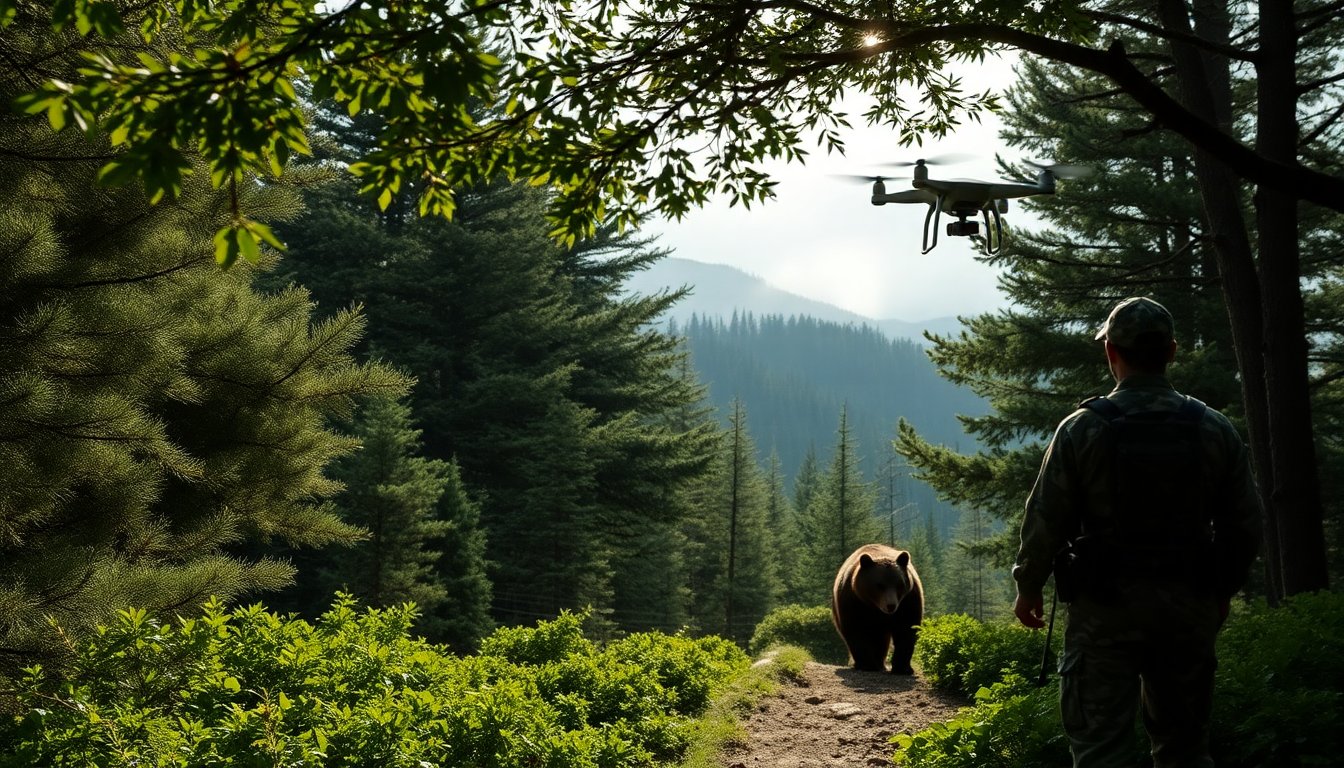
Japan is grappling with a significant rise in encounters between bears and humans, resulting in a series of tragic incidents. In response, the Japanese government has mobilized the military to support local communities, utilizing advanced drone technology for surveillance and alerts. Recent reports indicate that a devastating total of 13 individuals have lost their lives due to bear attacks, marking the highest death toll recorded since tracking began in 2006.
The bear species present in Japan include the formidable big brown bears, which can exceed weights of 450 kg (1,000 pounds) and predominantly reside in the Hokkaido region. The Asiatic black bear, also known as Moon bear, weighs considerably less, ranging from 80-200 kg (176-440 pounds), and is found in more densely populated areas of the mainland. While both species pose risks to human safety, the frequency and severity of attacks vary significantly.
Current bear attack statistics and trends
Data from Japan’s Ministry of Environment reveals that the northern prefectures have experienced the highest frequency of bear-related incidents. Notably, Akita and Iwate prefectures are at the forefront of this crisis, with reports indicating multiple fatalities and dozens of injuries. In Akita, bear sightings have surged sixfold this year, resulting in over 50 attacks since May, primarily involving Asiatic black bears.
Recent incidents and governmental response
In a particularly harrowing incident earlier this month, a bear attacked a 78-year-old woman in Gojome Town, injuring a bystander who attempted to assist. Both victims required hospitalization. Tragically, another elderly woman was killed in a separate encounter while working on her farm. Local officials, including Akita’s governor, have expressed concerns about the overwhelming nature of the situation, stating that local authorities are exhausted by the ongoing crisis.
In light of the rising threat, the Japanese government has revised its wildlife management policies. Authorities have authorized police to carry firearms for the first time to combat the escalating bear population, which has increased significantly due to conservation efforts and reduced hunting practices. With an estimated bear population exceeding 54,000, communities face substantial challenges.
Reasons behind the surge in bear attacks
Experts attribute the increase in bear encounters to several interrelated factors. A primary reason is the scarcity of natural food sources, such as acorns and beech nuts, which have been particularly low this year. This shortage drives bears closer to human settlements in search of alternative food supplies. The impact of climate change on food production is also a growing concern among specialists.
Rural depopulation and its impact
Another contributing factor is the ongoing trend of rural depopulation in Japan. As younger generations migrate to urban areas for better employment opportunities, rural communities are left with aging populations and unkempt landscapes. This scenario has inadvertently created easier access routes for bears into human habitats. As abandoned farmland and neglected areas proliferate, the likelihood of bear interactions increases.
Preventative measures and public safety
In response to the crisis, local authorities have implemented various measures to enhance public safety and mitigate bear encounters. The introduction of drone technology and AI surveillance systems has proven valuable in monitoring bear movements and providing timely alerts to residents. Furthermore, community education regarding bear behavior and safety practices is critical to preventing future incidents.
Experts recommend eliminating potential food sources near human habitation, including proper management of garbage and the removal of fruit trees that attract bears. Physical barriers, such as electric fences, can significantly reduce the chances of bear entry into populated areas. Establishing rapid communication systems through mobile alerts and employing technology like camera traps can enhance community preparedness.
Despite these efforts, the country faces challenges due to a shortage of trained hunters and wildlife personnel as Japan’s population ages. Recruitment initiatives aimed at younger individuals are essential for bolstering local wildlife management capabilities.


