
Table of Contents
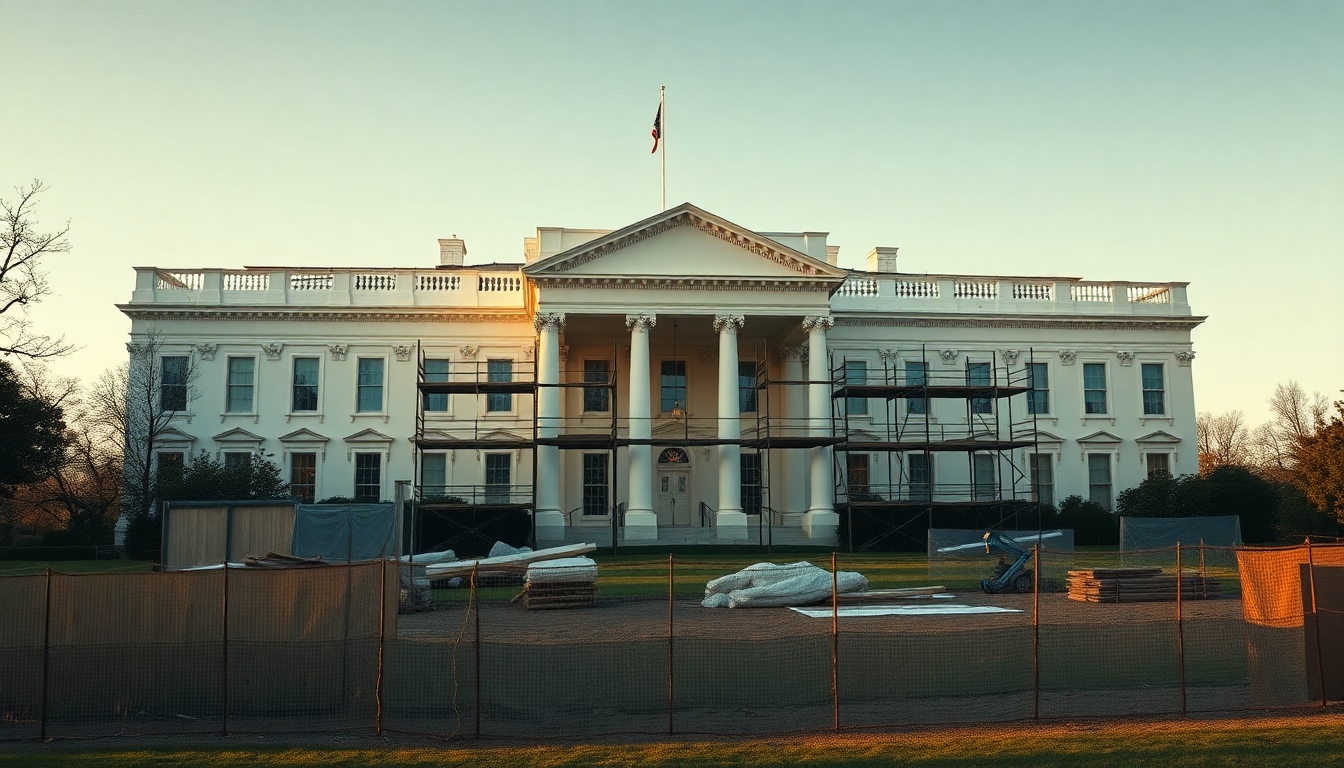
The announcement of a new ballroom at the White House is more than just another renovation; it’s a pivotal chapter in the ongoing story of one of America’s most iconic buildings. This ambitious $200 million project, championed by President Donald Trump, reflects not only the evolving architecture of the White House but also the broader historical narrative that surrounds it. So, what does this development mean for the White House and for Trump’s presidency?
Understanding the Historical Context of the White House’s Expansions
The White House, built back in the 18th century, has seen its fair share of renovations and expansions over the years. Imagine this: the original structure, designed by architect James Hoban, welcomed its first resident, President John Adams, in 1800. Since then, it has been the stage for countless significant events, hosting every U.S. president and adapting to their unique needs.
Take President Harry Truman, for example. In the late 1940s, he oversaw a major overhaul of the building’s interior, transforming it with modern structural elements like steel beams that ensured the iconic exterior remained intact. Similarly, President Theodore Roosevelt made his mark in the early 1900s by modernizing the layout and expanding the State Dining Room, setting a precedent for the enhancements that followed.
These renovations highlight how each president has navigated the evolving demands of the office, using the White House not just as a residence but as a functional workspace. The newly proposed ballroom, designed to host up to 650 guests, responds to the growing scale of formal events at the White House, which are currently limited by the East Room’s capacity. Isn’t it fascinating how the space we live in can influence the events that unfold within its walls?
The Implications of the New Ballroom Project
Now, let’s unpack the implications of this ballroom project. Its construction adjacent to the East Wing comes at a time when the Federal Reserve is facing criticism, reflecting ongoing conversations about financial management and governance. Trump’s push for this ballroom isn’t just about adding square footage; it mirrors his background as a real estate developer, driven by a vision of grandeur and luxury.
With an estimated price tag of $200 million, this project raises some eyebrows. It begs the question: should such lavish spending be prioritized during a time marked by economic challenges? The fact that the renovations will be funded through private donations adds another layer to the conversation about the intersection of political power and personal ambition.
Moreover, the architectural design of the ballroom aims to blend seamlessly with the existing structure of the White House. As Press Secretary Karoline Leavitt pointed out, this project seeks to modernize the East Wing while honoring the mansion’s historical aesthetics. It’s a delicate balancing act between moving forward and preserving the past—how do we honor history while also embracing the future?
Looking Ahead: Future Perspectives and Conclusions
As we look to the future, the ballroom’s completion is expected to wrap up long before Trump’s term ends in January 2029. But the project’s fate might very well be tied to the political climate and public sentiment as the next election cycle approaches. Could this ballroom become a significant venue for political gatherings, solidifying its place in American political history?
In conclusion, the construction of the new ballroom at the White House goes beyond just expanding the property; it taps into deeper themes of governance, legacy, and the public’s relationship with the presidency. Like any major architectural endeavor within these historic walls, it invites both scrutiny and admiration, keeping the tradition of the White House alive as a living symbol of the American democratic experience. What do you think this means for the future of the White House and its role in American politics?