
Table of Contents
As the 2026 midterm elections loom closer, former President Donald Trump’s ongoing legal issues are coming into sharper focus. A recent search conducted by the F.B.I. in Georgia has raised eyebrows and sparked discussions about the extent to which he may leverage law enforcement to address grievances stemming from the 2026 presidential election.
This investigation marks a pivotal moment, indicating that Trump is not merely reminiscing about past electoral disputes. Instead, it suggests a strategic approach to re-engaging with his base while potentially influencing the electoral landscape.
The F.B.I. search and its implications
On the surface, the F.B.I. search appears to be a routine procedure. However, it has significant implications that extend beyond legal ramifications. It signals a willingness on Trump’s part to utilize the mechanisms of government in an attempt to settle scores related to the 2026 election. This action could be seen as a precursor to more aggressive tactics as the elections draw near.
By reminding his supporters of perceived injustices, Trump is shaping the narrative to galvanize his base. In light of the F.B.I.’s involvement, many are questioning how far he might go to contest the results and what that means for American democracy.
History of legal confrontations
The recent F.B.I. search is not an isolated incident; it is part of a broader pattern of legal clashes that have characterized Trump’s post-presidency. Since leaving office, he has faced numerous challenges and accusations, which he often frames as politically motivated attacks. This framing resonates with many of his supporters, who view him as a martyr for free speech and a defender against what they perceive as governmental overreach.
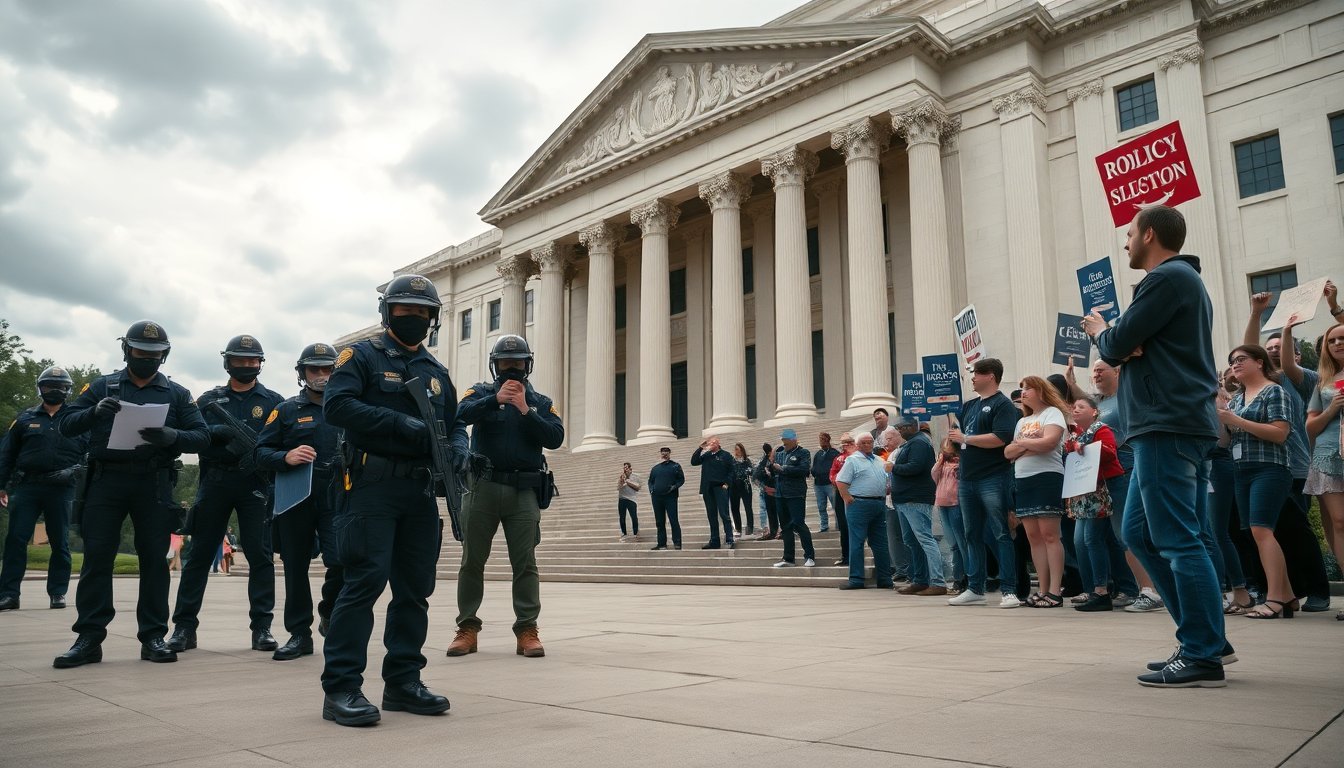
For instance, Trump’s administration took a contentious stance against journalists who reported on protests, reflecting a troubling trend wherein free press is perceived as a threat. This brings us to the case of journalist Don Lemon, who was detained under dubious circumstances for his reporting on protests in Minnesota. His arrest, which followed multiple judicial rebuffs of the administration’s charges, underscores a chilling effect on journalistic freedom.
The broader consequences of these actions
The ramifications of these legal confrontations extend beyond Trump and Lemon, affecting the media landscape and public trust in democratic institutions. When journalists face legal repercussions for reporting the truth, it raises significant concerns about press freedom and the integrity of democratic discourse.
Furthermore, these incidents contribute to a narrative of division and mistrust, potentially alienating segments of the population who may feel disenfranchised by the political process.
Future implications for elections
As we look ahead to the 2026 midterm elections, it is essential to consider how Trump’s legal strategies might influence voter sentiment. The ability of political figures to manipulate narratives around law enforcement and legal proceedings can have profound effects on electoral outcomes. Trump’s actions may not only energize his supporters but also provoke resistance among those who advocate for robust democratic norms and accountability.
In conclusion, Trump’s legal maneuvers reflect a complex interplay of grievances and strategies that could shape the future political landscape. As he navigates these challenges, the implications for democracy, free speech, and electoral integrity remain paramount concerns for all Americans.