
Table of Contents
Fanboy expo knoxville: what attendees need to know
Fanboy Expo Knoxville brings together screen and voice talents from film, television and animation. The event runs across three days and includes scheduled autograph sessions, photo opportunities and panel appearances. Guests appear during show hours unless otherwise noted.
Who will attend varies from classic television icons to contemporary franchise performers. Each guest typically manages their own merchandise and pricing. From a strategic perspective, understanding those arrangements helps attendees plan signings, photos and panel participation.
The operational detail matters. Event policies set rules for lines, payment methods and permitted items. Knowing those policies in advance reduces time spent queuing and prevents unexpected exclusions at autograph tables.
The data shows a clear trend: fans expect structured schedules and transparent pricing at multi-day conventions. Concrete planning yields better experiences for both visitors and guests.
How signings and photos work
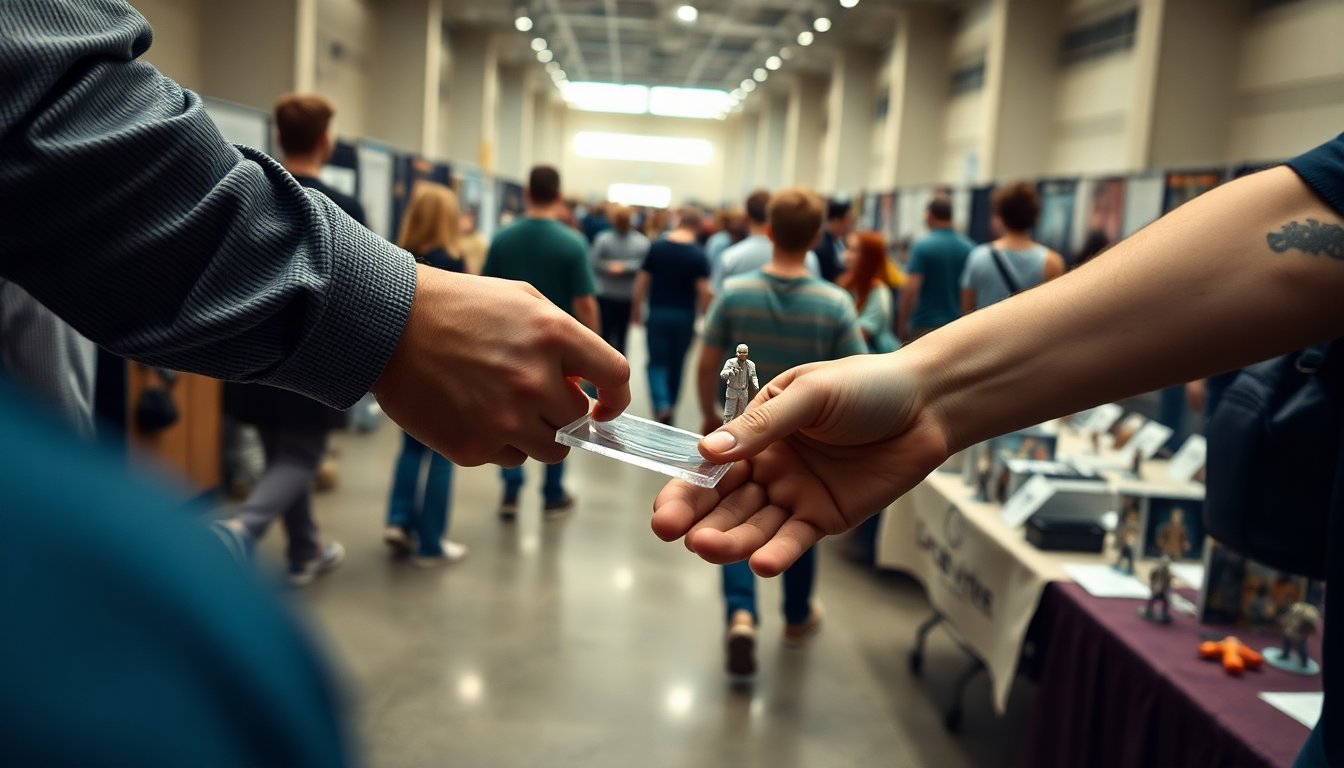
Concrete planning yields better experiences for both visitors and guests. The convention clarifies that autograph sessions and photo ops form a central part of the programme. These services are organised directly by the individual celebrities and their management. That arrangement means pricing and terms are set by each guest or their team, not by the convention organisers.
Some guests include a photo with the autograph fee. Others bill the photo separately. Payment methods vary: some guests accept only cash, others only card, and some use mobile payment apps. Guests may also limit the number of items signed, restrict certain item types, or set time limits per fan.
Practical tips for attendees
Verify each guest’s policy before the event to avoid surprises. Confirm whether a photo is included with an autograph purchase, which payment methods are accepted, and any item restrictions.
- Arrive early for high-profile guests to reduce queue time.
- Bring purchased items and any proof of purchase if required.
- Prepare items correctly: unframed posters are easier to sign than framed pieces.
- Use recommended pens where specified; permanent markers are often required for certain materials.
- Follow line etiquette: have payment ready and respect the allotted time per fan.
- Check photo rules: some guests permit only posed photos, others allow selfies with a staff photographer.
- Confirm accessibility options in advance if assistance is needed.
- Respect copyright and resale policies: some guests prohibit commercial resale of signed items or studio-branded goods.
Follow the guest-specific rules posted by their teams to ensure a smooth interaction. If in doubt, consult on-site staff for clarification before joining a queue.
Featured guests and their signature roles
Following those on-site guidelines, the convention presents a cross-generational roster of performers who anchor programming and fan interest.
Linda Hamilton is highlighted for her portrayal of Sarah Connor in the Terminator franchise and for recent television work across drama and action. Ron Perlman is noted for his role in Hellboy and for a long career in genre film and television. Alan Tudyk is credited for versatile performances spanning live action and animation, including prominent voice roles.
From a strategic perspective, the selection balances legacy names with performers who sustain cross-platform visibility. The data shows a clear trend: established franchise actors continue to drive attendance and timed-panel demand.
The data shows a clear trend: established franchise actors continue to drive attendance and timed-panel demand. The convention’s guest roster reinforces that pattern.
Other notable attendees include Patrick Warburton, known for distinct voice roles and steady on-screen work; Henry Winkler, whose career spans an iconic sitcom role and sustained character work; and Jane Seymour, scheduled for appearances on specified days and recognized for period drama and television roles. The program also lists performers such as Famke Janssen, Laura Prepon and Heather Locklear, each associated with long-running series or cult followings.
Reunions and themed panels
Fan-favorite reunions form a core programming strand. Panels reunite co-stars from ensemble shows including Dr. Quinn, Medicine Woman and other long-running productions. These sessions typically attract concentrated audience interest and extended Q&A segments.
Voice-over pairings are a structured feature. Panels highlight creative teams behind classic animated characters. Organizers pair actors who shared recording booths or recurring franchises to discuss process, continuity and character development.
From a strategic perspective, timed reunions and voice panels function as attendance anchors. They concentrate foot traffic into specific blocks. That pattern supports scheduling decisions for autograph and photo-op capacity elsewhere on the floor.
Context from recent film releases and trailers
The convention programming team can use recent release patterns to refine scheduling and capacity planning. The data shows a clear trend: contemporary sci-fi action films often open as character-driven dramas and pivot toward spectacle. That tonal turnaround reduces narrative subtlety but increases demand for visual showcase slots on the expo floor.
From a strategic perspective, trailers for franchise sequels amplify convention traffic by foregrounding signature combat and heightened gore. These previews reinforce fan expectations for live demonstrations, stunt showcases and panel Q&A demand. That pattern supports scheduling decisions for autograph and photo-op capacity elsewhere on the floor.
The operational framework consists of three immediate implications for programming. First, allocate larger screening or demo spaces to films whose marketing emphasizes spectacle. Second, coordinate floor security and queuing for panels tied to high-intensity trailers. Third, align talent appearances with exhibit layouts that prioritize visual stunts and combat demonstrations. Concrete actionable steps: map marketing tone to room size, pre-register high-touch activations, and assign dedicated crew for rapid turnover between sets.
Why this matters to convention-goers
The data shows a clear trend: attendees disproportionately value in-person access to performers tied to recently trending films and trailers. From a strategic perspective, meeting cast members provides cultural context that digital clips cannot convey. Panels routinely expand on creative choices and deliver behind-the-scenes detail unavailable in mainstream coverage.
For attendees, these interactions translate into distinct benefits: confirmation of fandom preferences, collectible experiences, and unique material for social sharing. Organizers should treat guest appearances as high-impact touchpoints that drive both ticket upgrades and ancillary sales.
Final planning checklist
From the operational framework adopted earlier, ensure planning aligns with room capacity and crew assignments for rapid turnover between sets. Concrete actionable steps: confirm guest availability windows, map autograph/photo policies, and publish fees clearly.
- Review guest roster: verify scheduled days and flag any roster gaps for contingency planning.
- Confirm autograph and photo policies: list per-guest rules and separate fee structures in all ticketing materials.
- Prioritize panels: identify must-see sessions and allocate arrival times to avoid conflicts.
- Budget for extras: account for signed items, paid photos, and merchandise shipping.
- Track lineup changes: display a clear cancellation and change policy; communicate updates via official channels.
- Assign dedicated crew: allocate staff for guest transitions and high-touch activations.
- Publish accessibility information: include mobility access, queueing procedures, and any virtual attendance options.
- Implement attendee guidance: provide a concise three-line summary at the start of each program page explaining what attendees can expect.
Milestone: final roster and policies published at least one week before the event, with daily updates if changes occur. The operational framework consists of verification, communication, on-site execution, and post-event reconciliation. Tracking these steps reduces attendee confusion and protects revenue streams.
Tracking these steps reduces attendee confusion and protects revenue streams. From a strategic perspective, a clear pre-visit routine preserves both enjoyment and compliance with guest-specific requirements.
The data shows a clear trend: attendees who confirm schedules and venue policies ahead of time report fewer disruptions and faster access to panels. Plan logistics around official event communications. Review panel descriptions, stage locations and any published guest directives before arrival.
Concrete actionable steps:
- Confirm your panel times and room locations via the official event app or website at least 24 hours before attending.
- Respect guest photography and autograph policies; those rules are enforced and vary by session.
- Arrive early for high-demand panels to secure seating and avoid line closures.
- Use the venue map to identify entry points, accessibility routes and emergency exits.
- Carry digital proof of ticket purchase and any required credentials on your phone.
- Follow on-site safety instructions from staff and posted signage to minimize interruptions.
- Document interactions for personal records, not for public reposting, when a guest’s rules restrict sharing.
From a strategic perspective, prioritizing rule awareness and logistical preparation increases the chances of meaningful interactions with guests and peers. The operational framework consists of simple verification, respectful conduct and situational awareness.
Observing guest-specific rules preserves the mix of nostalgia, fandom and contemporary film conversation that defines a modern pop culture convention. Compliance keeps panels running on schedule and helps sustain the community events that attendees value.