
Table of Contents
The upcoming Milano Cortina Olympics, scheduled for February, promises a captivating fusion of athletic achievement and fashion creativity. Each Olympic Games highlights the unique cultural identity of its host city. Italy, renowned for its extraordinary cuisine and unmatched fashion industry, is no different. Milan, a leading global fashion center, will showcase not only elite athletes but also their fashion choices as an essential component of the event.
The role of fashion in winter sports
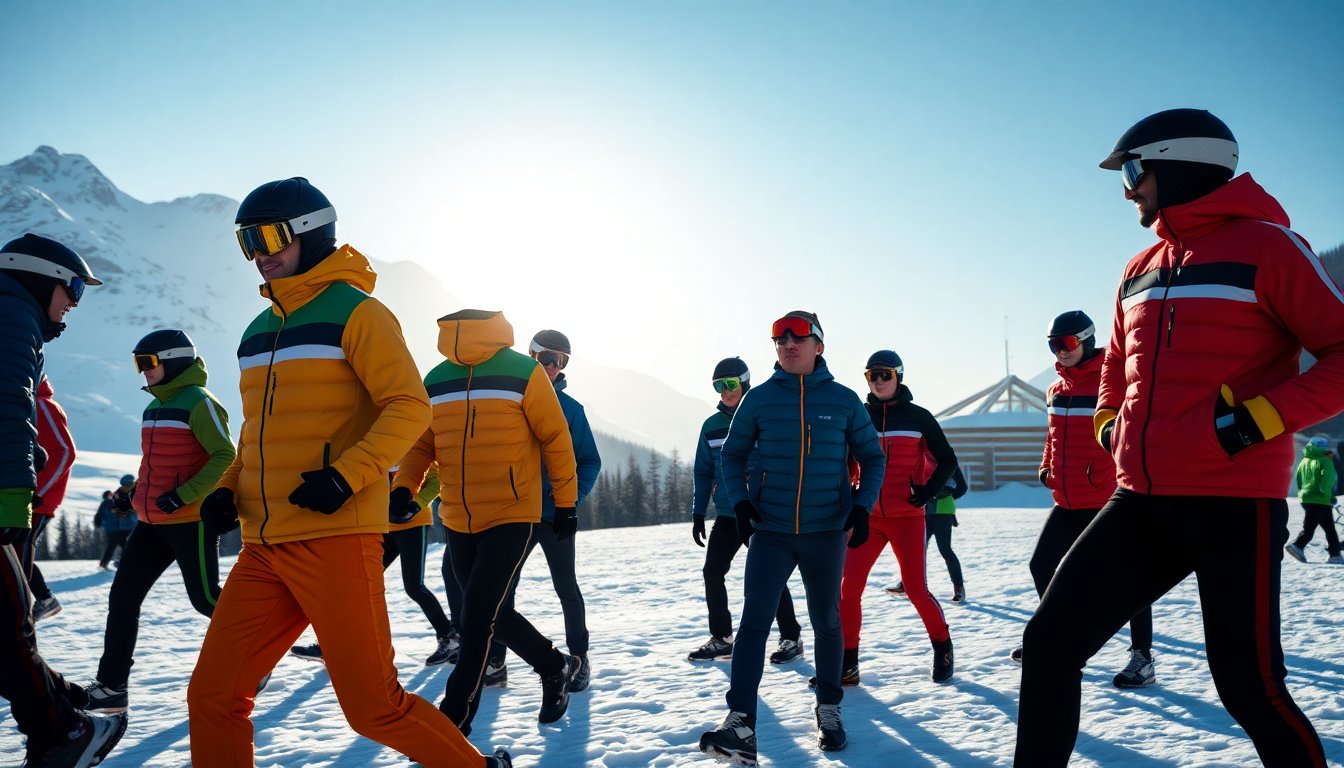
In contrast to the Summer Olympics, where athletes often showcase their physiques in lighter clothing, the Winter Olympics requires functional and protective attire to withstand severe weather conditions. Nevertheless, the creativity inherent in winter sports apparel is noteworthy. Each national team faces the challenge of creating uniforms that are both practical and visually appealing, reflecting their cultural heritage.
Italy’s fashion-forward uniforms
As the Olympics unfold in a renowned fashion capital, anticipation builds around each nation’s athlete presentation. Italy’s uniforms, designed by the celebrated Giorgio Armani, exemplify simplicity and elegance. The predominant use of white symbolizes the pristine snow-capped peaks. This color choice carries particular weight following Armani’s passing in September at the age of 91, imbuing the designs with additional significance.
Canada’s unique style
While Canada may not boast the same fashion legacy as Italy, its Olympic kits, designed by Lululemon, have garnered praise for their innovative design. Katherine Singh, a fashion and culture writer from Toronto, highlighted that Team Canada’s attire draws inspiration from the country’s breathtaking landscapes, showcasing a more inclusive and diverse aesthetic. The oversized, athleisure-inspired look conveys modernity while ensuring accessibility for all athletes.
Fashion as a form of self-expression
As the games draw near, the connection between sport and fashion becomes increasingly evident. Retired Olympian Phylicia George, who will attend the events in Milano Cortina, highlighted fashion’s role as a vital means of self-expression for athletes. She remarked, “Fashion is a form of self-expression. It’s a form of joy… It allows athletes to showcase their individuality and creativity alongside their athletic prowess.” This viewpoint emphasizes how attire can reflect personal journeys and identities.
Global outfits take center stage
Each nation participating in the event showcases its unique style, offering a visual celebration of cultural diversity. Athletes’ uniforms, featuring vibrant patterns and intricate embroidery, reflect their rich heritages. The Opening Ceremony is set to be a mesmerizing event, where athletes proudly wear their national colors and designs, fostering a sense of unity while honoring individual cultures.
The importance of traditional craftsmanship
Behind the scenes, the artisans who create these distinctive outfits invest their passion and skill into their work. These talented individuals master techniques such as beading, sewing, and designing, representing their nations through their creations. Their commitment to preserving traditional practices while embracing modern design enhances the cultural narrative of the Olympics.
The joy of fashion in sports
The Milano Cortina Olympics will be a vibrant celebration of both athleticism and style. As nations come together to showcase their top athletes, the connection between sport and fashion will highlight a spirit of joy and camaraderie. From the athletes’ uniforms to the attire of spectators, the games will illustrate how fashion can unite people, crossing borders and celebrating the richness of diversity.