
Table of Contents
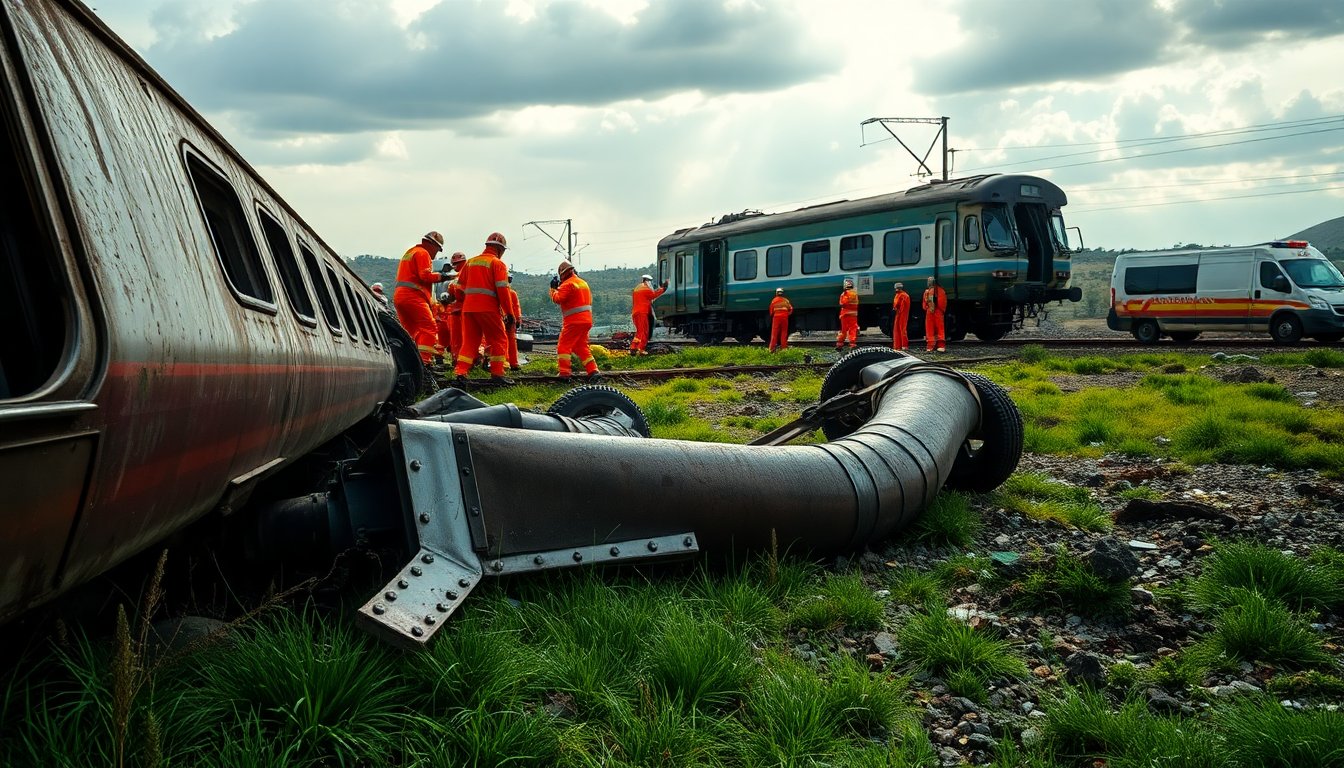
A high-speed train derailed near the city of Córdoba, Spain, colliding with another train on a parallel track. Spain’s Minister of Transportation reports that the death toll has reached 39, with concerns that this number may rise as rescue operations continue.
This tragic event has sparked significant concerns regarding the safety of high-speed rail systems, typically regarded as among the safest forms of transportation. However, incidents like this underscore the risks that can arise from unforeseen circumstances.
Details of the incident
The accident occurred in the early hours of January 19, 2026, when the first train derailed at high speed. Eyewitness accounts describe the harrowing sounds of screeching metal and the chaos that followed. Shortly thereafter, a second train, unable to halt in time, collided with the derailed carriages, resulting in widespread devastation.
Immediate response and rescue efforts
Emergency services were quickly dispatched to the scene, working diligently to assist the injured and recover those trapped in the wreckage. Complicating the rescue efforts were challenging conditions, including debris and damaged infrastructure. Local authorities have pledged to support the victims’ families and conduct a thorough investigation into the derailment’s cause.
As rescue teams continue their work, the focus is also on understanding the factors that led to this tragedy. The Minister of Transportation has committed to a comprehensive investigation, emphasizing the importance of accountability and the enhancement of safety protocols.
Investigating the causes
In light of this devastating accident, it is crucial to examine the contributing factors behind the derailment and collision. Preliminary reports indicate that mechanical failure or track issues may have been involved, but investigators are actively collecting evidence to ascertain the exact cause.
While high-speed rail technology is designed to minimize risks through advanced safety features, this incident raises questions about the effectiveness of these measures and whether current standards are sufficient to prevent such accidents.
Future implications for rail safety
The implications of this tragic event extend beyond the immediate loss of life. It has ignited discussions about the future of rail safety protocols, the necessity for rigorous maintenance of infrastructure, and the importance of regular safety audits. As the investigation progresses, it will be essential for stakeholders in the rail industry to reassess existing safety measures to safeguard passengers and ensure the integrity of rail services.
Additionally, there is a pressing need for transparency in the investigation of this incident. The public deserves to understand the circumstances surrounding this tragedy and how to prevent similar occurrences in the future. Authorities’ commitment to a thorough inquiry will be vital in restoring confidence in Spain’s rail systems.
As the nation mourns and grapples with the disaster’s aftermath, the focus must also remain on healing and support for those affected. Community outreach programs and assistance for victims’ families will be critical in aiding recovery.
This tragic event has sparked significant concerns regarding the safety of high-speed rail systems, typically regarded as among the safest forms of transportation. However, incidents like this underscore the risks that can arise from unforeseen circumstances.0