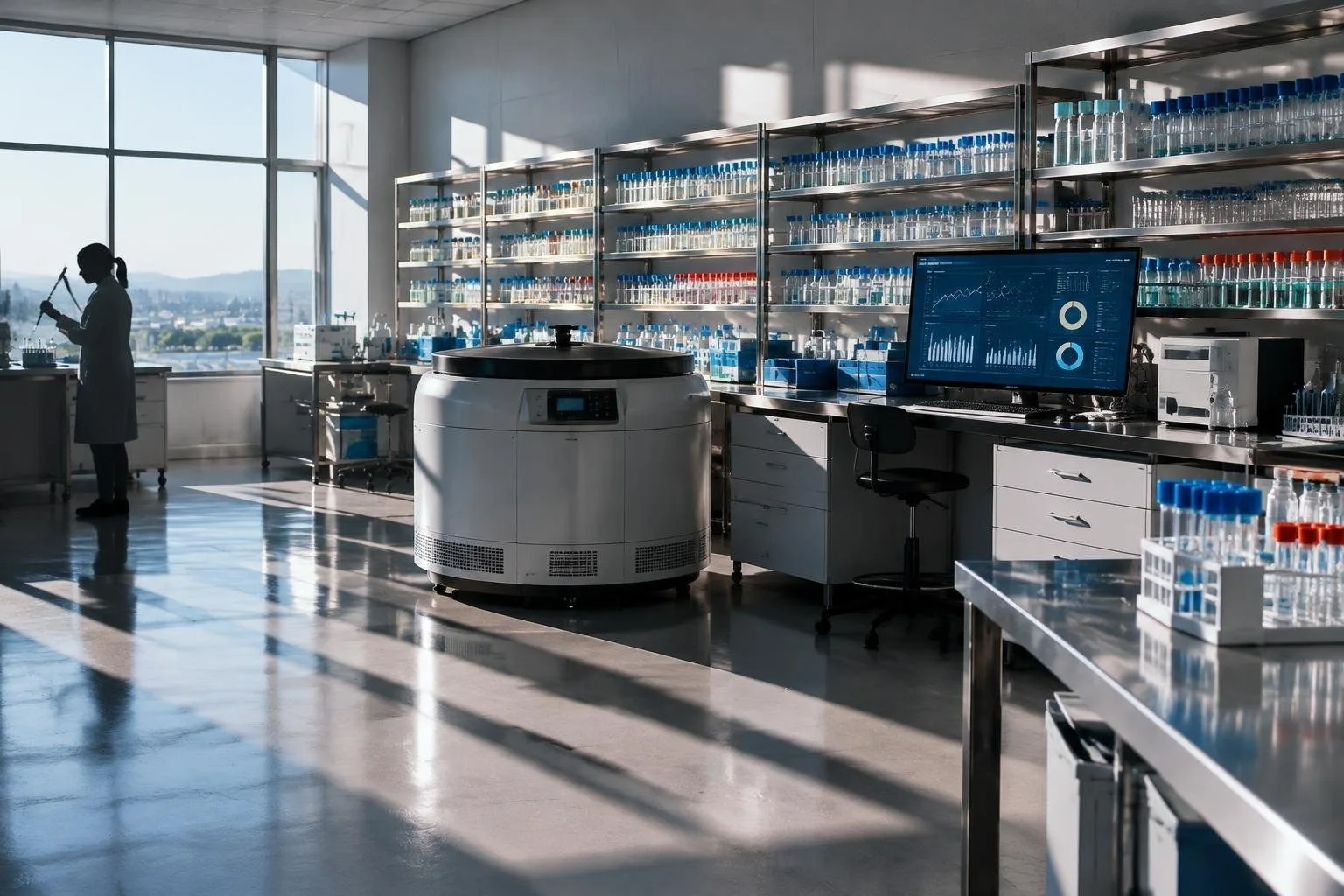
The Food and drug administration (FDA) has announced an expanded initiative to test more prescription drugs for impurities and other dangerous quality issues. This move is being hailed by safety experts as a critical step in fortifying America’s drug supply against potential hazards that have long plagued the market.
Addressing Gaps in Generic Oversight
Generic medications currently account for approximately 90% of all prescriptions written in the United States. A significant portion of these drugs are manufactured thousands of miles away, with facilities located in countries such as India and China. Until recently, the FDA relied on periodic sampling to verify that these generics were safe and effective compared to their brand-name counterparts. However, this approach faced scrutiny for its limited scope and frequency.
Last week, the agency confirmed it would increase the frequency of its testing and identify poorly performing drugs for further study. The new protocol involves purchasing medications directly from retail pharmacies and wholesale distributors. Despite this announcement, the FDA has not specified how many drugs will be tested or how often. Furthermore, questions regarding how the agency will select drugs for testing or hold manufacturers accountable for inferior products remain unanswered, beyond the commitment to post results on its website.
Reactions from Health Policy Experts
Dr. Kevin Schulman, a professor of medicine and health policy at Stanford University, described the FDA’s new testing regime as “a huge validation of the research that we’ve been doing raising concerns about the quality of generic drugs.” He added, “This is a great effort on their part.” Schulman’s comments reflect a broader sentiment among researchers who have repeatedly urged the FDA to intensify its oversight efforts.
Retired Col. Vic Suarez, a former medical supply-chain commander, offered a nuanced perspective on the development. “It’s an important thing because they will probably catch extreme violators of regulatory standards, so that’s a good thing,” Suarez said. “But you also need to have a complementary system where you’re actually raising the bar.” Suarez suggests that while the FDA’s actions are necessary, independent labs should also play a role in testing manufacturers against one another to foster competition based on quality rather than price.
Historical Context and Future Implications
An investigation conducted last year revealed that the agency had routinely relied on pharmaceutical companies to conduct their own testing. This occurred even as doctors, researchers, and the Department of Defense warned that essential medications were sometimes contaminated or ineffective. Since 2018, the FDA stated it had used a “more targeted, risk-based” approach, selecting samples based on identified safety or quality concerns. Data from fiscal year 2025 showed the agency tested 46 different drugs, with only one manufacturer tested for 29 of them. All but one passed every test.
David Light, co-founder of Valisure, an independent testing lab, expressed optimism about the change. “I think, high level, the idea that we should be doing more testing is fantastic,” Light said. “I think there’s so much growing energy behind that.” Valisure previously collaborated with ProPublica to identify irregularities in common generic drugs, highlighting the need for stricter external verification.
In February, senators introduced a bill aimed at increasing transparency in the drug supply chain, driven by similar public concerns. As the FDA moves forward with this expanded program, stakeholders will be watching closely to see if these increased tests translate into tangible improvements in drug safety and accountability for manufacturers operating outside the United States.