
Table of Contents
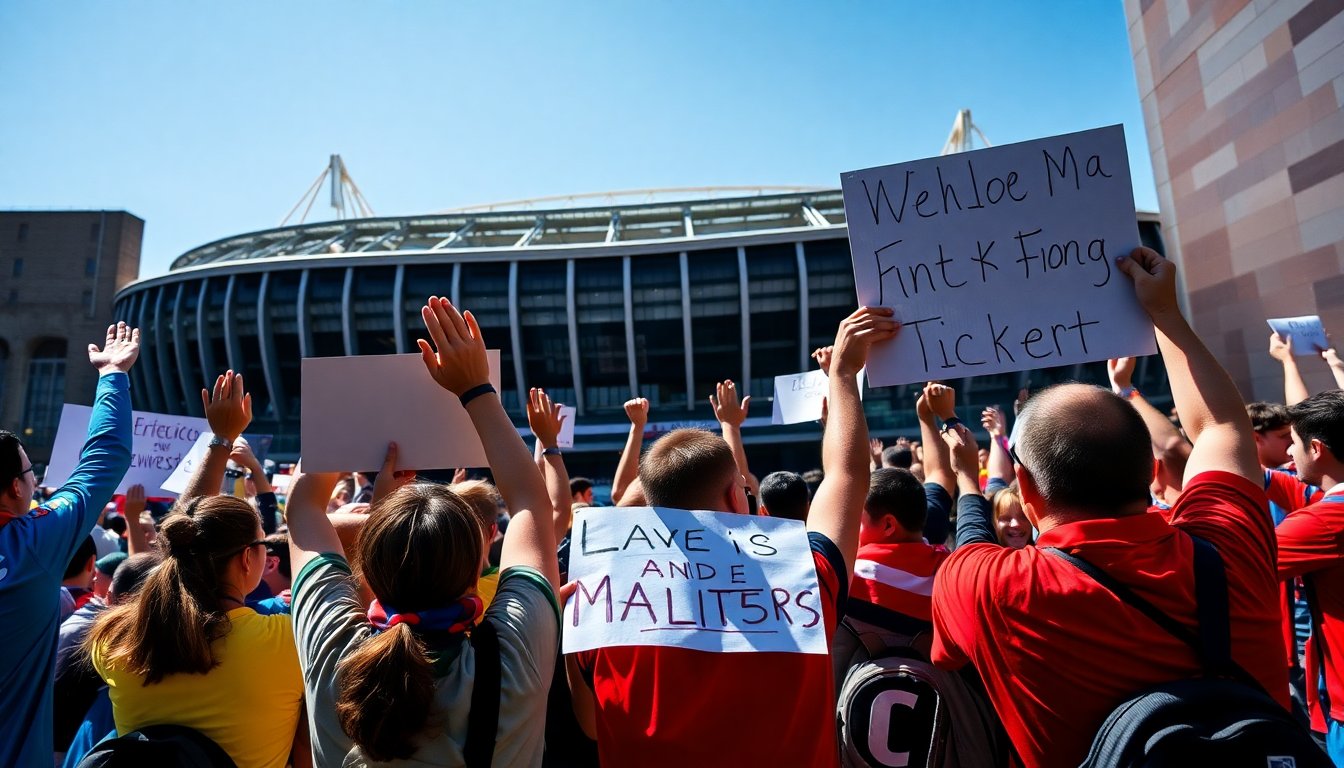
As the 2026 FIFA World Cup draws near, fans are expressing their discontent regarding the high ticket prices that have emerged. These costs have led to accusations of a serious betrayal by FIFA, the organization overseeing the tournament. Many supporters now feel marginalized, struggling to balance their passion for football with the financial obstacles they face.
Understanding ticket pricing dynamics
FIFA allocates eight percent of tickets to national associations, enabling them to distribute these tickets to dedicated fans. Recent disclosures from the German soccer federation reveal significant variations in ticket prices for group stage matches, ranging from $180 to $700 US dollars. In contrast, the prices for the final match start at a minimum of $4,185, reaching as high as $8,680 for premium seating.
The current pricing structure directly contradicts FIFA’s earlier claims that tickets could be available for as low as $60. Furthermore, U.S. soccer officials had aimed to offer many tickets at just $21 during the initial match phase when they bid for hosting rights seven years ago. This inconsistency has led the fan organization Football Supporters Europe (FSE) to describe the current prices as extortionate.
Fan reactions and calls for action
In a pointed statement, the FSE underscored that the current ticket pricing is a serious disservice to the traditions of the World Cup, undermining the supporters who significantly contribute to the event’s atmosphere. The English Football Association disclosed that purchasing tickets for every match leading up to the final could cost fans over $7,000, a figure that is simply unaffordable for many.
FIFA has announced that ticket prices will be dynamically adjusted for the upcoming World Cup, a novel approach that has sparked criticism among fans. The tickets are divided into four categories, with the most sought-after seats located in Category 1. However, the pricing list from the German federation only features three categories, leaving supporters confused about the inconsistencies.
The ticket application process
As ticket sales begin, FIFA has implemented a Random Selection Draw for fans to apply for tickets to specific matches, marking a first for the tournament. This decision follows the recent draw for the event, which will be jointly hosted by the United States, Canada, and Mexico. Fans can now discover when and where their favorite teams will play, with the exciting possibility of witnessing legendary players like Lionel Messi on the pitch.
Canada’s opening match against a European playoff victor will take place at Toronto’s BMO Field. The match is scheduled for June 12, 2026. Ticket prices start at $1,300 CAD for a Category 3 ticket, while Category 1 tickets reach $3,035 CAD. Additionally, matches in Vancouver featuring Qatar and Switzerland will see ticket prices ranging from $370 to $980 CAD, depending on the category.
Challenges in obtaining tickets
Fans can apply for tickets through FIFA’s website, but securing seats for desired matches is not guaranteed. The application window opens on December 11, and will remain open until January 13, 2026. Fans may apply for up to four tickets per match, but they must have a FIFA ID to proceed, which adds an additional challenge to the ticketing process.
The issue of ticket pricing has become increasingly alarming. During the last U.S.-hosted World Cup in 1994, ticket prices ranged from $25 to $475. Comparatively, the recent World Cup in Qatar offered more accessible prices, starting around $70. In stark contrast, resale prices for the final at MetLife Stadium on July 19, 2026, have reportedly soared to over $11,000 on secondary markets. This trend underscores a growing disconnect between fans and the sport.
The future of ticket sales
As FIFA prepares for the tournament, it has launched its own resale platform, which imposes a 15 percent fee on resale prices. The organization has indicated that any remaining tickets will be offered on a first-come, first-served basis as the event date approaches, although a specific timeline for this release has not been provided.
FIFA is grappling with rising ticket prices and growing complaints from fan groups, posing a significant challenge to its relationship with supporters. Promises made during the bidding process now appear to be fading. The organization must find effective solutions to address these grievances and restore the integrity and accessibility of the World Cup experience.