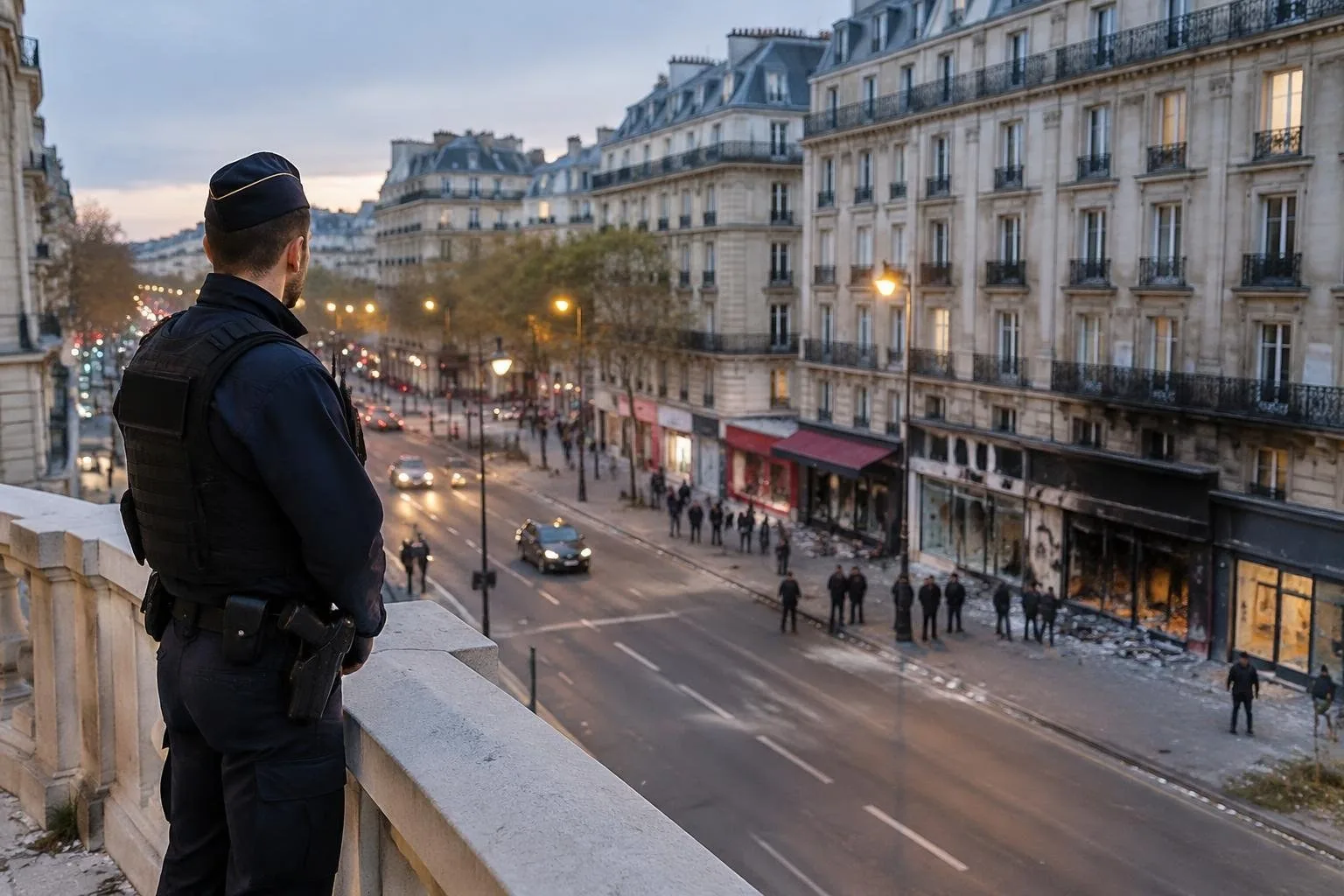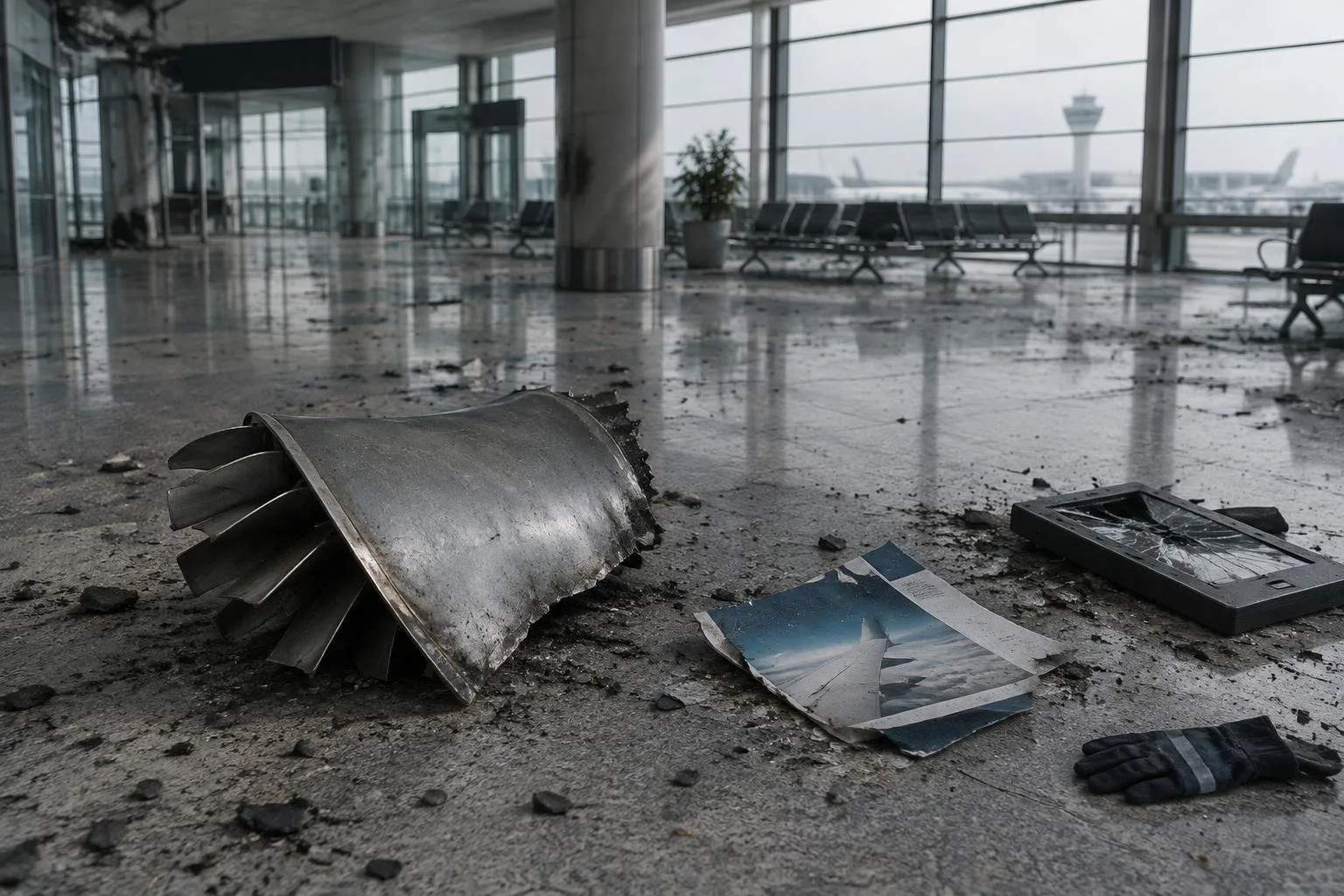

The Future Investment Initiative (FII), Saudi Arabia’s marquee investor gathering often dubbed “Davos in the Desert,” was slated to run from October 26 to October 29 this year. On Tuesday, the event’s organizers announced that the entire conference has been pushed back to 2027 with a specific date to be confirmed very soon. The decision follows a spate of lethal missile strikes carried out by Iran-backed Houthi forces against key Saudi targets, including the capital’s international airport.
Dr. Maha Bint Mishari Al Saud, chief executive officer of the FII Institute explained that the deferral reflects a “deep commitment to our partners, members, speakers and delegates.” She added, “Because this is our landmark tenth edition we want to ensure it delivers the full scale, extraordinary quality, and unforgettable impact that our community has come to expect and truly deserves.” The postponement aims to safeguard participants while preserving the strategic ambition behind the summit – attracting billions of dollars to fund Saudi Arabia’s transition from oil to tourism, sport and high-tech sectors.
Conference postponed amid security concerns
The original program featured a star-studded lineup of global finance and technology leaders. Ruth Porat president and chief information officer of Alphabet & Google, was slated to address digital transformation, while David Solomon chairman and CEO of Goldman Sachs, and Laurence Fink chairman and CEO of BlackRock, were expected to discuss capital flows into the kingdom. Jane Fraser of Citi and Bill Winters of Standard Chartered also appeared on the draft agenda. With the security situation deteriorating, many of these executives reportedly voiced concerns about attending in person, prompting organizers to explore hybrid alternatives before ultimately choosing a full postponement.
In addition to the diplomatic and investment stakes, the event serves as a showcase for Saudi Arabia’s broader Vision 2030 goals. By gathering policymakers, sovereign wealth funds, and private-equity firms under one roof, the summit highlights mega-projects such as the development of a new tourism corridor and the expansion of sport-driven infrastructure. Deferring the summit does not diminish these ambitions; rather, it underscores the kingdom’s willingness to prioritize safety while keeping the long-term agenda intact.
Impact on Riyadh’s public sector and infrastructure
Parallel to the conference shift, the Saudi government issued a city-wide directive for public-sector employees to work from home. Workers at agencies located in the city’s central business district received a memo stating that remote work would be enforced from Monday to Thursday, with a reminder to “continue their activities as normal.” The message reflected growing anxiety after Houthi attacks that have already claimed 18 lives and injured hundreds across military, energy and civilian sites.
Key commercial landmarks also reacted. The Kingdom Centre a 99-storey skyscraper that houses the International Monetary Fund’s regional office, asked staff to stay away until further notice. Similarly, firms operating out of the King Abdullah Financial District – a hub for numerous U.S. banks and multinational corporations – instructed employees to adopt remote-working arrangements. These precautions illustrate the broader ripple effect of the conflict on Saudi Arabia’s economic ecosystem, extending well beyond the immediate fallout of the missile strikes.
As the kingdom navigates this volatile security environment, officials emphasize that the postponement is a temporary measure. By rescheduling the tenth edition of the FII to 2027, Saudi Arabia hopes to reconvene under conditions that allow the summit’s full scale, extraordinary quality, and unforgettable impact to materialise – a promise echoed by Dr. Al Saud and the event’s senior partners.