
Table of Contents
The White House announced a short operational pause in attacks on Iranian energy sites after what President Trump described in a social post as “very good and productive conversations” between US and Iranian interlocutors. The statement, posted and reported with a timestamp of 23/03/2026 11:50, said the pause would last for five days while diplomatic exchanges continue. This development arrives amid sustained military pressure in the region and persistent reports of strikes, interceptions and preparations that point to both negotiation and escalation happening at the same time.
In parallel with the pause, several other threads of the conflict unfolded: senior US officials have rejected an immediate ceasefire as the principal path forward; the Pentagon is reported to be preparing contingency plans for deploying ground forces; and allied capitals, notably London, have agreed to provide access to bases for US operations related to the Strait of Hormuz. Humanitarian alarms and regional security concerns have multiplied as missile fragments, drone strikes and detention cases made headlines across the theater.
Diplomatic pause and robust White House posture
The decision to halt attacks on Iranian energy infrastructure for five days was framed as a tactical pause tied to talks rather than a political concession. The White House emphasized that discussions were productive, yet officials and the president repeatedly ruled out an immediate ceasefire, arguing that military pressure remains necessary to meet strategic goals. Mr. Trump reiterated that the primary objective is to prevent Iran from obtaining a nuclear weapon and to degrade capabilities used to strike regional shipping, while saying regime change is not the administration’s chief aim.
Political signalling and allied friction
Messages from allied governments revealed mixed alignment. The UK has reportedly permitted US forces to use British bases to support operations around the Strait of Hormuz, a move that drew sharp rebuke from Iranian officials who accused some Western leaders of complicity. Within NATO political debate, Italian defense and foreign ministers publicly defended allied actions and stressed the need for caution: some ministers warned against treating transit escort decisions as routine, noting that deploying ships inside an active combat zone would elevate the risk to naval assets and crews.
Military preparations and battlefield developments
Despite the temporary pause on energy-targeted strikes, military planning on multiple fronts has intensified. Reports indicate the Pentagon is drafting detailed plans for potential ground force deployments and the handling of prisoners and detainees if land operations occur. The US has repositioned naval assets and moved thousands of Marines toward the region, while officials have also claimed the option to seize strategic nodes such as Kharg island if ordered. At the same time, Israeli forces said they conducted air operations against sites in Tehran and central Iran, and Iranian ballistic launches and missile fragments fell in and around contested areas, raising the prospect of wider escalation.
Maritime security and the Strait of Hormuz
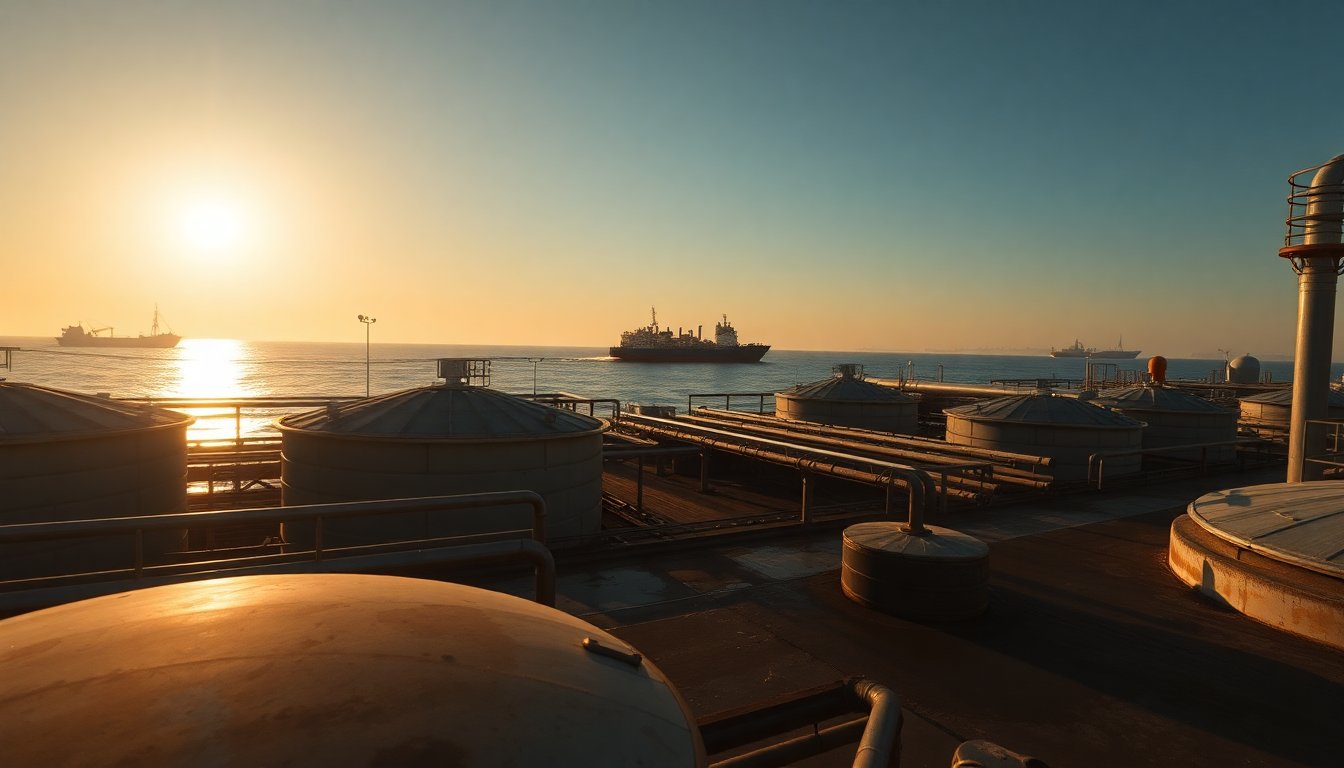
Commercial sea lanes remain a central concern. The Strait of Hormuz has been at the center of diplomatic overtures and military strategy as nations explore options to keep shipping moving. Some European capitals had hoped to organize convoy or escort missions, but sources suggest Tehran is now reluctant even to discuss reopening the strait while it focuses on surviving the offensive against it. Defence officials have pointed out that escorting vessels in an active war zone can convert those escorts into targets, complicating any attempt to restore normal transit quickly.
Humanitarian issues, detentions and regional impacts
Beyond operational maneuvers, human costs and legal questions have emerged. A British couple arrested in Iran in January 2026 remain detained and their family has alleged harsh conditions and the use of detainees as de facto human shields. Separately, the Pentagon has planned for scenarios in which US forces might detain Iranian fighters or paramilitary operators, including logistics for transfer and custody. Civilians in multiple countries face greater insecurity, and tourism ministers have urged vigilance while downplaying imminent domestic threats.
What to watch next
The coming days will test whether the five-day pause sparks a durable diplomatic track or merely provides breathing room for renewed strikes. Observers will track negotiation progress, movements of military units, and decisions by allied governments to open basing and escort arrangements. For now, the picture is one of concurrent diplomacy and preparation for further conflict: a fragile balance in which a pause could either lead to a negotiated step back or precede sharper operations if talks falter.