
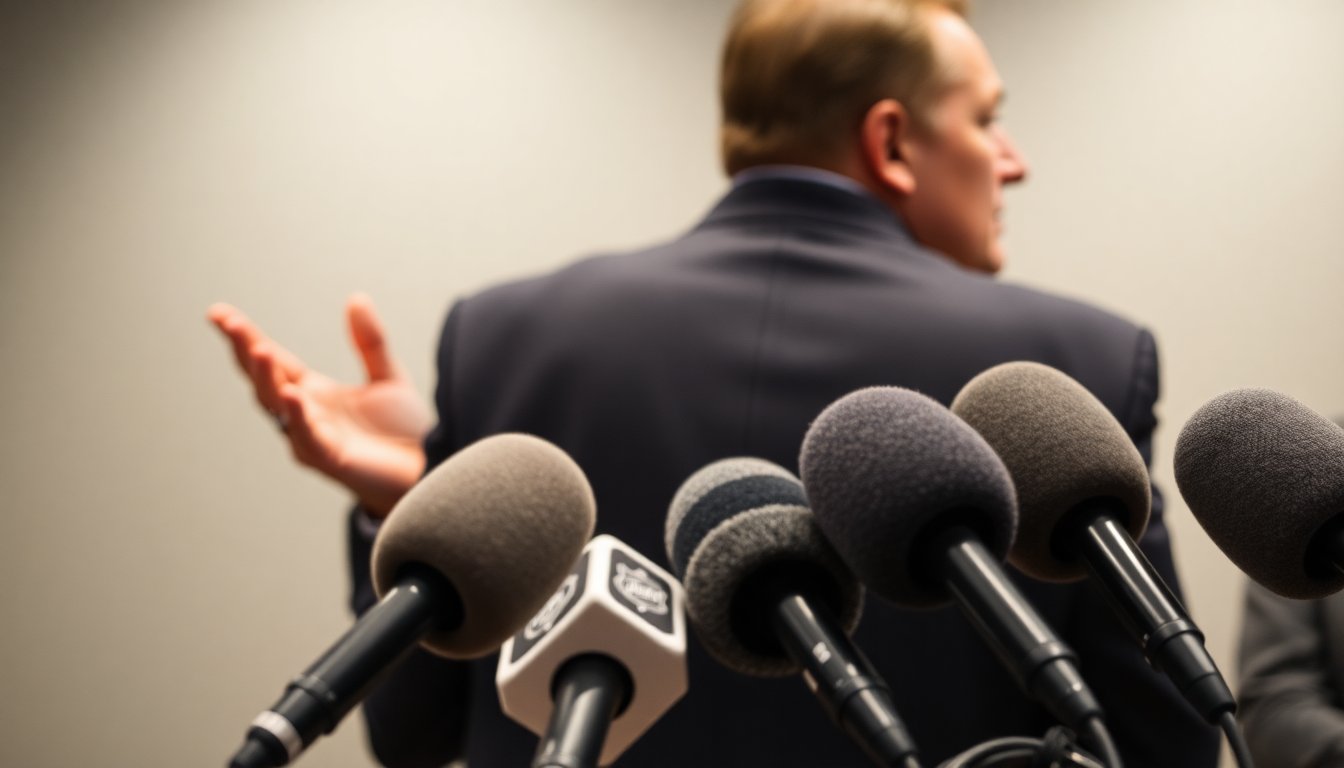
At a news conference in Calgary, NHL commissioner Gary Bettman pushed back on how outlets framed the U.S. men’s hockey team’s locker‑room reaction after the Milan–Cortina Olympics. Calling the coverage “mischaracterized,” Bettman said the brief clip that circulated online didn’t capture the full scene and shouldn’t be read as evidence of friction between the men’s and women’s programs. He reiterated the league’s respect for both teams and urged people to look beyond an edited moment.
What actually happened
The controversy began after the U.S. men’s gold‑medal win on Feb. 22. FBI director Kash Patel entered the dressing room and President Donald Trump phoned in on speaker. During the call Trump mentioned inviting the men to the State of the Union—and quipped he’d need to invite the women too, joking about impeachment if he failed to do so. Several players laughed. A short clip of that laughter spread quickly and many critics read it as dismissive toward the women’s team.
Bettman called that snapshot “unfortunate and not accurate,” arguing it boiled a complex, celebratory scene down to a misleading beat. He pointed to the postgame interactions—shared cheers, joint chants and other moments of camaraderie between the men’s and women’s teams—as evidence that the relationship is supportive, not hostile. His plea: judge the fuller locker‑room sequence, not an isolated clip.
Responses from players, officials and advocates
Team leaders and league officials moved swiftly to manage the fallout. Some described the laughter as typical championship exuberance, not a deliberate slight. Players echoed that view, and Bettman referenced public comments from U.S. women’s captain Hilary Knight and others that downplayed any lasting damage.
At the same time, former officials and advocacy groups emphasized why optics matter. Invitations and public recognition carry symbolic weight; when those signals appear unequal, they fuel legitimate concerns about fairness. League executives said they would review protocols on player contact with political figures to avoid putting athletes in awkward or partisan situations—though specifics of that review remain private.
Aftermath and optics
The women’s team said they only learned about a White House invitation hours after the men’s game and declined because of prior travel plans. Several members of the men’s team later visited the White House and were introduced during a Capitol speech, choices that intensified debate about privilege and public recognition. Those follow‑up appearances helped explain why a laugh in a locker room could snowball into a broader discussion about equity.
Practical takeaways for future finals
Organizers, teams and public officials now face a clearer imperative: manage postgame interactions so they can’t be easily misread. Better coordination could help—ideas include a single point of contact for invitations, coordinated messaging when separate teams receive offers, and a tight timeline for accepting or declining appearances. Simple, transparent steps like these would reduce confusion and curb perceptions of favoritism.
Bigger picture: international events and scheduling
Bettman used the Calgary appearance to go beyond the locker‑room episode, laying out the NHL’s outlook on relationships with the IIHF and the IOC, broadcast windows for marquee games, and early interest in reviving the World Cup of Hockey. His comments aimed to clarify how the league plans to navigate international competition and balance its calendar with growing global demand. Bettman’s message was twofold: don’t judge the whole by a sliver, and let’s do a better job managing optics and communications going forward.