
Table of Contents
The humanitarian crisis in Gaza has worsened due to insufficient aid deliveries, not meeting the commitments established in a recent ceasefire agreement. An analysis by the Associated Press, based on data from the Israeli military, reveals a critically low flow of aid, leaving many of Gaza’s two million residents in urgent need of support.
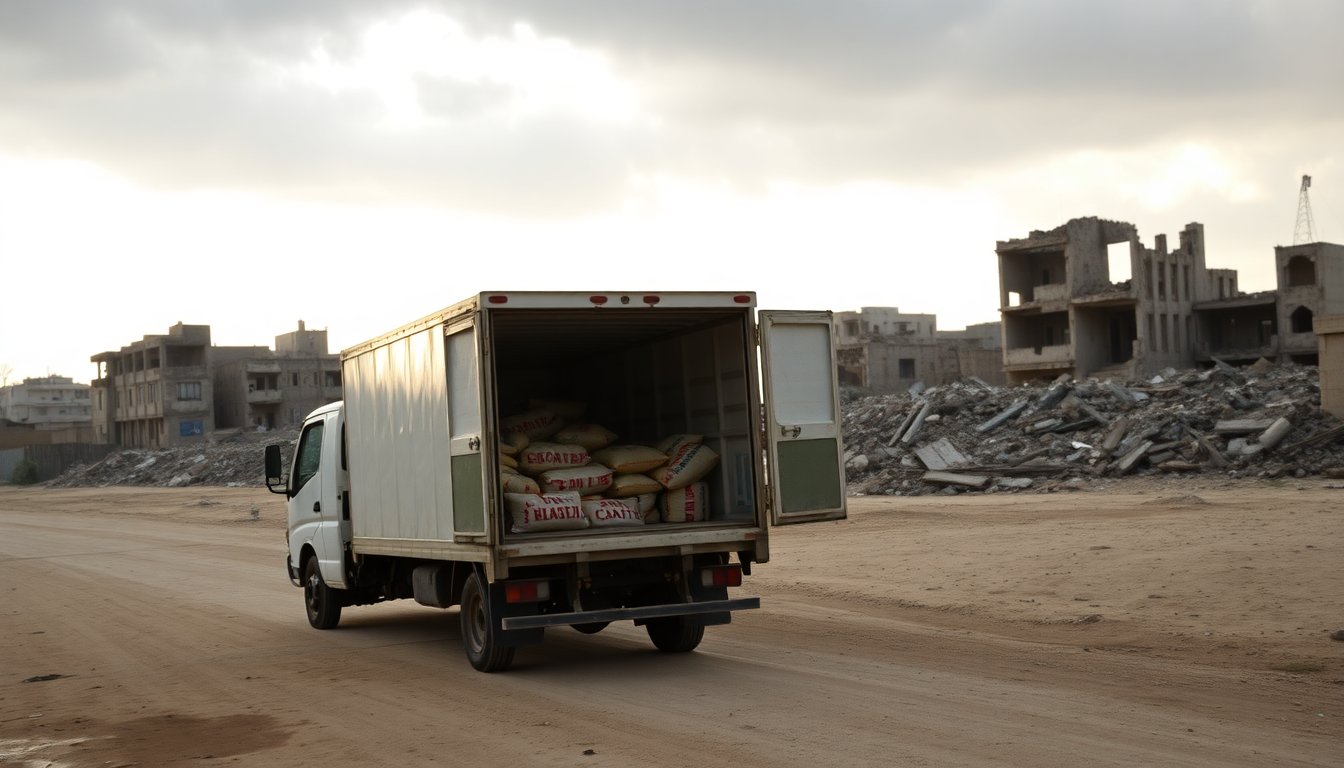
According to the ceasefire brokered by the United States, Israel committed to allowing 600 aid trucks daily into Gaza. However, reports indicate the actual average has fallen short, with only 459 trucks entering daily since aid resumed on October 12.
Discrepancies in reported aid deliveries
The Israeli military’s coordination body, known as COGAT, reported that around 18,000 trucks of food aid have entered Gaza since the ceasefire began, accounting for approximately 70% of the total aid received. However, the total number of aid trucks, including non-food items such as medical supplies and shelter materials, is just over 25,700. This figure is significantly below the expected 33,600 trucks by the designated date.
Contradicting figures create confusion
In response to the discrepancies highlighted by the Associated Press, COGAT claimed that daily truck entries exceeded the agreed 600. However, they did not provide detailed data to support these claims. Previously, the organization released daily statistics during the conflict but stopped once the ceasefire commenced. Critics argue that COGAT’s control over crossings leads to a lack of transparency in reporting aid numbers.
The United Nations has raised concerns about the low volume of aid entering Gaza. Their records indicate that only 6,545 trucks were offloaded at crossings from the ceasefire’s initiation to December 7, averaging approximately 113 trucks daily. This total does not include aid from non-UN-affiliated organizations, which could further distort the actual figures.
Impact of inadequate aid on Gaza’s population
The insufficient aid has had devastating effects on Gaza’s residents, many of whom have been displaced due to ongoing conflicts. Food shortages are widespread as the region struggles to recover from famine conditions triggered during the hostilities.
Humanitarian crisis deepens
Recent reports from UNICEF highlight alarming statistics: over 9,000 children were hospitalized for malnutrition in October alone. The situation worsens as mothers give birth to undernourished infants under dire conditions. Families, especially those living in makeshift tents, are unprepared for harsh winter weather, facing risks of floods and extreme cold without adequate resources.
According to UNICEF, the humanitarian response is severely hindered by persistent issues, including security concerns, customs clearance bottlenecks, and delays at crossing points. These challenges are aggravated by limited transportation routes within Gaza for humanitarian supplies.
Contentions surrounding ceasefire violations
The situation is further complicated by allegations from both sides regarding breaches of the ceasefire agreement. Israel has temporarily halted aid entry at least once, citing violations by Hamas, such as the failure to return hostages’ remains. Conversely, Hamas contends that Israel’s slow aid delivery and ongoing military strikes violate the ceasefire.
The humanitarian landscape in Gaza remains precarious, with families resorting to firewood for cooking and warmth as cooking gas prices have surged to unattainable levels. For example, a 12-kilogram cylinder now costs 1,314 shekels, forcing many to rely solely on firewood during frigid winter temperatures.
Calls for increased international support
According to the ceasefire brokered by the United States, Israel committed to allowing 600 aid trucks daily into Gaza. However, reports indicate the actual average has fallen short, with only 459 trucks entering daily since aid resumed on October 12.0
According to the ceasefire brokered by the United States, Israel committed to allowing 600 aid trucks daily into Gaza. However, reports indicate the actual average has fallen short, with only 459 trucks entering daily since aid resumed on October 12.1