
Table of Contents
Amid escalating tensions in Eastern Europe, Germany is preparing to send a contingent of troops to support Poland’s East Shield initiative. This deployment, slated for April 2026, will involve several dozen German soldiers working alongside their Polish counterparts. The mission aims to bolster defenses along Poland’s border with Belarus and Russia and is expected to last until the end of 2027.
The decision is part of a broader strategy to enhance security in the region. The Polish government announced the East Shield program last year, with a budget of €2.3 billion. This initiative reflects Poland’s commitment to strengthening its military capabilities in response to perceived threats from neighboring countries.
Focus of the deployment
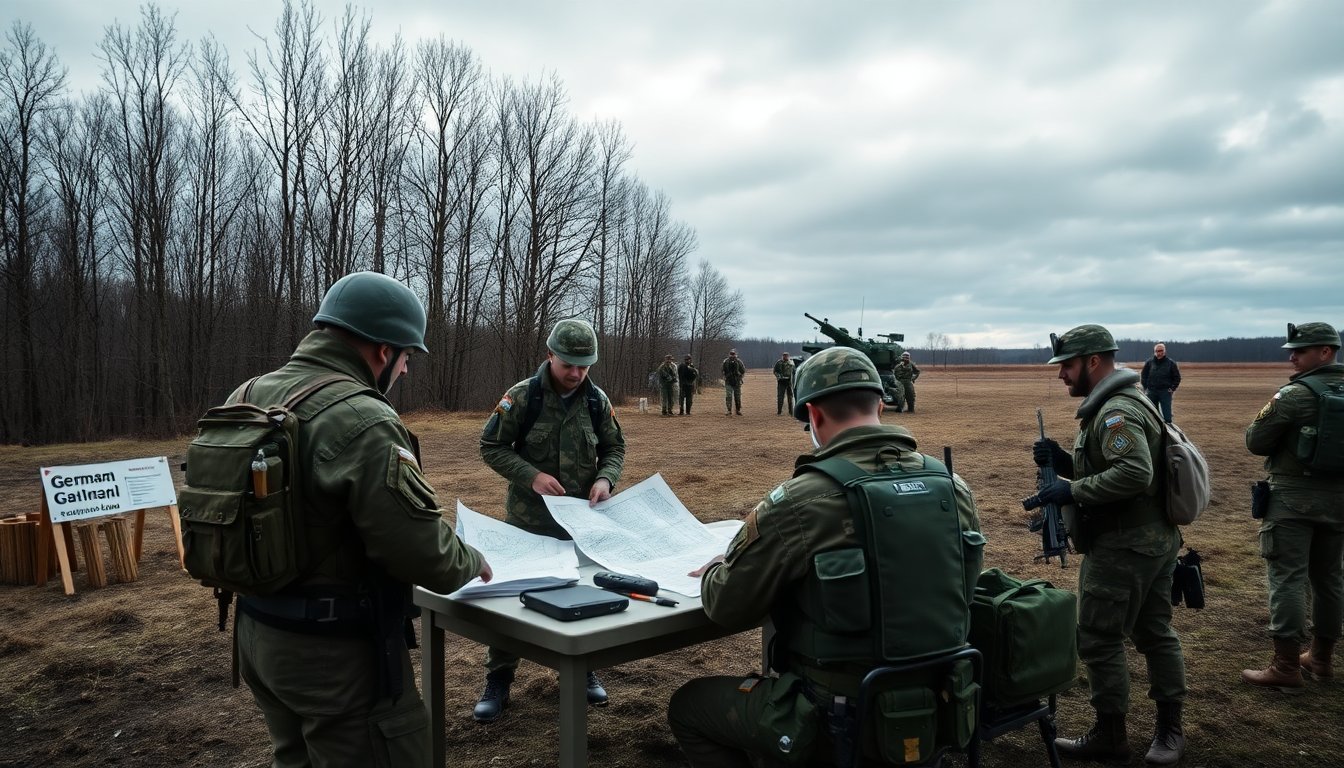
According to the German defense ministry, the troops will primarily engage in engineering tasks. A spokesperson highlighted that their responsibilities will include constructing military positions, digging trenches, and laying barbed wire, as well as building anti-tank defenses. These preparations are critical to fortifying the border against potential aggression.
Strategic importance of East Shield
The East Shield program is essential for ensuring the stability of Poland’s eastern frontier. By investing in military infrastructure, Poland aims to deter any hostile actions from its neighbors. The collaboration with Germany not only provides additional manpower but also demonstrates a united front among NATO allies against rising regional threats.
Regional implications and international responses
This troop deployment is not occurring in isolation. The geopolitical landscape is changing, with various nations reassessing their military strategies. The German military’s engagement in Poland represents a shift in how European nations are approaching collective security. As tensions with Russia and Belarus rise, this partnership signifies a commitment to mutual defense.
Moreover, the involvement of Germany in Poland’s defense strategy highlights the necessity for stronger alliances within Europe. A recent assessment by Denmark’s military intelligence classified the U.S. as a potential security risk, raising alarms across European capitals. This situation illustrates the increasingly complex dynamics in transatlantic relations.
Future considerations
As the East Shield operation unfolds, it will be vital to monitor how this deployment affects regional security dynamics. The collaboration between Germany and Poland may encourage other NATO members to reassess their military commitments and readiness. Furthermore, as the U.S. pivots its focus towards the Pacific, European nations may find themselves needing to bolster their own defenses independently.
Germany’s decision to send troops to Poland marks a significant step towards enhancing security in Eastern Europe. It reflects a proactive approach in response to rising tensions and underscores the importance of international cooperation in safeguarding national interests. The East Shield initiative is not merely a military exercise; it plays a vital role in maintaining peace and stability in a volatile region.