
Table of Contents
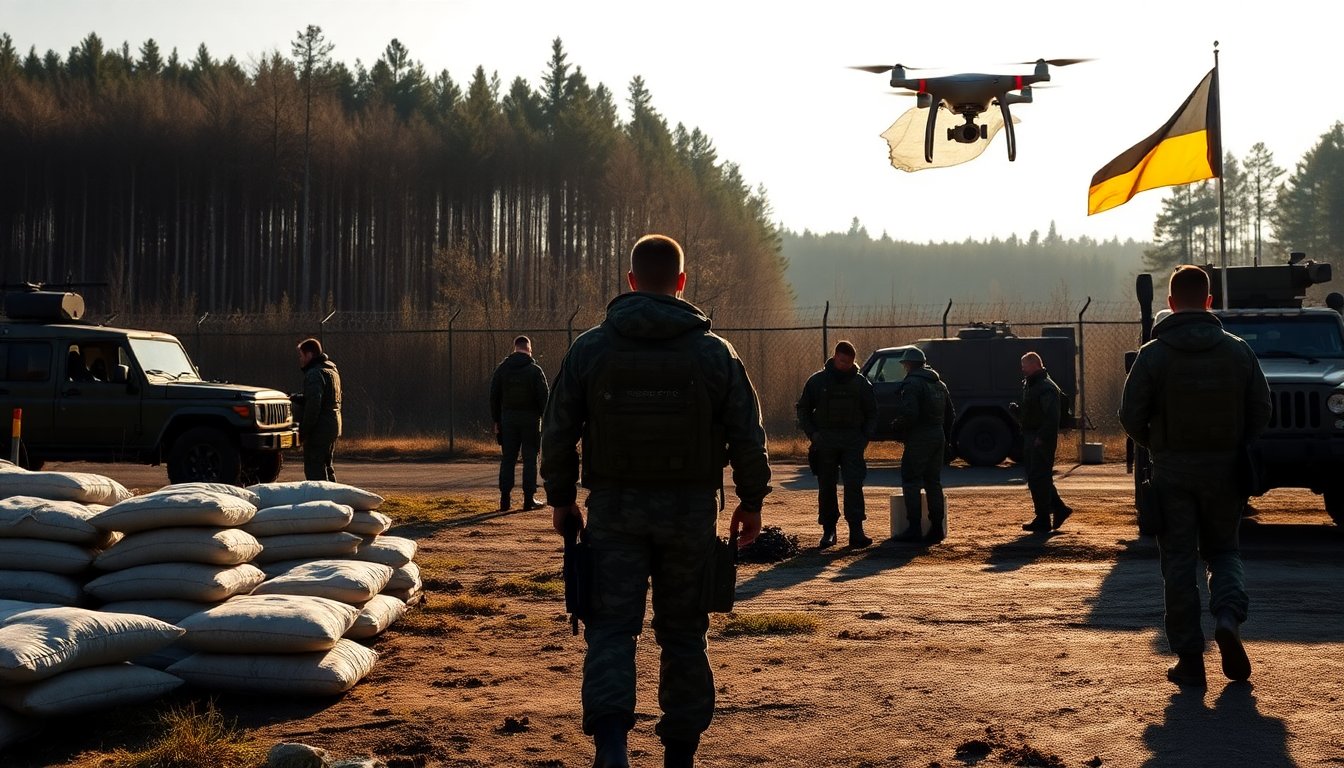
As tensions rise between Poland and its eastern neighbors, Germany has committed to sending several dozen soldiers to reinforce the nation’s eastern defenses beginning in April 2026. This decision is part of Poland’s East Shield initiative, a comprehensive program aimed at bolstering security in the region amid ongoing concerns regarding Belarus and Russia.
Reports indicate that this military mission will initially extend until the end of 2027. The deployment underscores the collaborative efforts of European nations to ensure stability and security across borders, which are increasingly viewed as critical in light of geopolitical shifts.
Mission objectives and engineering focus
The German troops will primarily focus on engineering tasks, as stated by a spokesperson from the German defense ministry. Their responsibilities will include establishing defensive positions, digging trenches, laying barbed wire, and constructing anti-tank obstacles. These engineering endeavors are essential to fortifying Poland’s defenses against potential threats.
Poland’s East Shield initiative
Launched last year, Poland’s East Shield program represents a significant investment of €2.3 billion, aimed at enhancing security measures along the eastern border. This initiative demonstrates Poland’s proactive approach to addressing security challenges while fostering partnerships with neighboring countries, particularly in times of uncertainty.
International implications and regional stability
The decision to send German troops reflects broader European security dynamics. As nations work collaboratively to bolster defenses, the implications of such military movements can ripple throughout the region, influencing political and military strategies.
Moreover, the current geopolitical climate necessitates a united front among European allies. Germany’s participation in this mission exemplifies a commitment to collective defense, highlighting the importance of shared responsibilities in maintaining stability.
Potential risks and challenges
Despite the strategic advantages of this troop deployment, there are inherent risks associated with an increased military presence in a volatile region. The concentration of forces could escalate tensions, potentially provoking responses from neighboring states. Therefore, it is crucial for all parties involved to manage these deployments with a focus on diplomatic engagements alongside military readiness.
As the situation unfolds, it remains to be seen how these developments will affect the broader European security landscape and the relationships between nations within the region.