
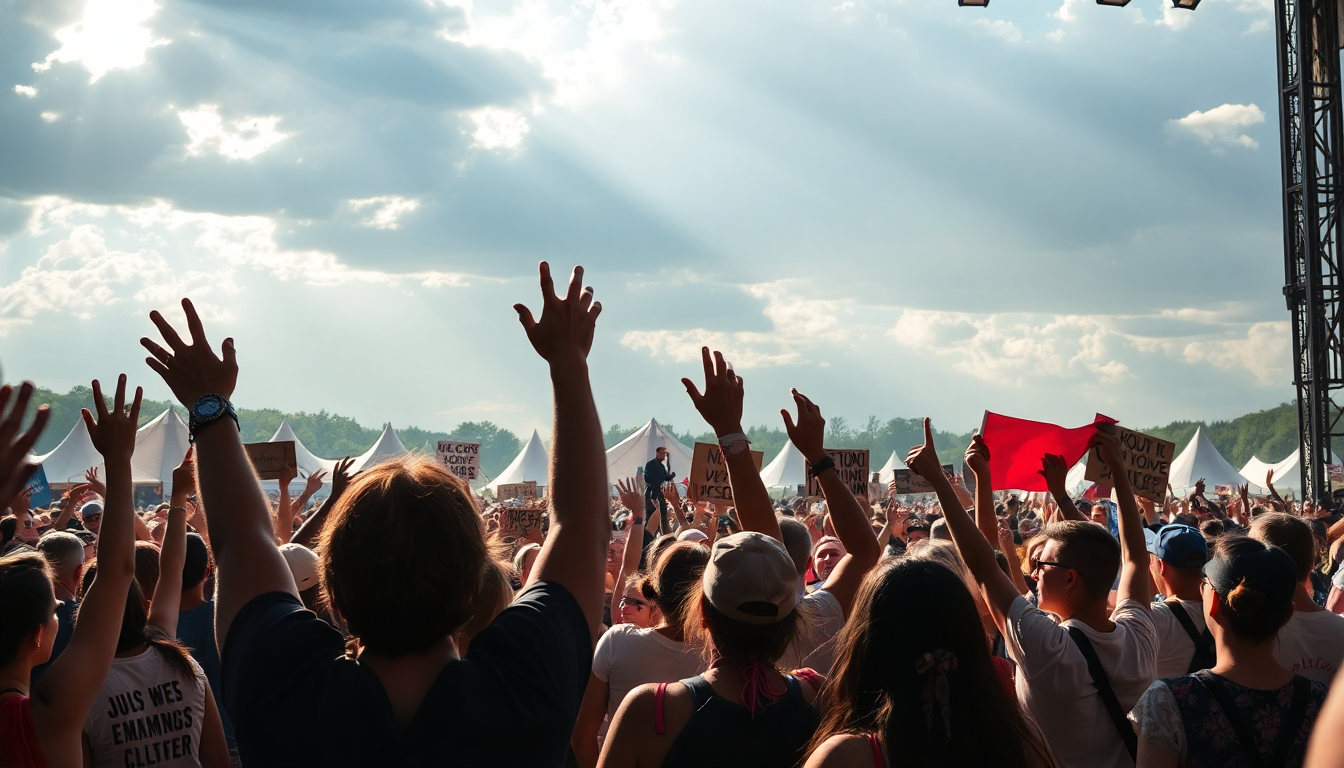
The recent performance by punk duo Bob Vylan at the Glastonbury Festival has sparked quite the controversy. Frontman Bobby Vylan stirred the crowd with some provocative chants, including calls for violence against the Israel Defense Forces. This incident has thrown a spotlight on the fine line between artistic expression and the risk of hate speech, prompting strong reactions from both festival organizers and the media.
Glastonbury’s official statement
In response to the uproar, Glastonbury organizers took to their official social media channels to share their thoughts. They acknowledged the diverse range of performances at the festival, which reflects a variety of perspectives. However, they made it clear that they were disheartened by the comments made during Bob Vylan’s set, emphasizing that such rhetoric is simply unacceptable. The festival reiterated its commitment to creating an inclusive environment, stating that there is absolutely no room for antisemitism, hate speech, or incitement to violence at Glastonbury.
This incident has sparked a wider conversation about the responsibilities artists carry when performing in public spaces. While freedom of speech is a vital part of democratic societies, we can’t ignore the potential for that speech to incite harm. Glastonbury’s organizers have made it evident that while differing viewpoints are welcome, there are boundaries that should never be crossed.
The role of the media and public reaction
As the performance was broadcast live, it quickly caught the attention of audiences around the globe. The BBC, which aired the event, responded to the backlash by calling the comments “deeply offensive.” They highlighted that a warning about the strong and discriminatory language had been issued during the live stream. In a cautious move, they also decided not to make the performance available on demand, reflecting the sensitive nature of the content.
This incident has raised eyebrows not just among festival leadership but also within governmental circles. The U.K. government has demanded clarification from the BBC regarding their due diligence before the performance, emphasizing the seriousness of the statements made on stage. This has opened up discussions on the intersection of art, politics, and media responsibility.
Legal implications and societal impact
Alongside public and media responses, law enforcement has also taken note. The Avon and Somerset police have indicated that they will review video evidence from both Bob Vylan’s and fellow performer Kneecap’s sets to determine if any criminal offenses occurred. This situation underscores the potential legal consequences of public speech and how authorities might intervene when they perceive threats to public safety or social order.
The incident has prompted questions about the role of artists in political discourse, especially in a festival setting where music and activism often intertwine. Reactions from various stakeholders reflect a society wrestling with the challenges of free expression in an increasingly polarized world. As this dialogue continues, it will be fascinating to see how such events shape future performances and the expectations placed on artists. Are we ready to navigate this complex landscape together?


