
Table of Contents
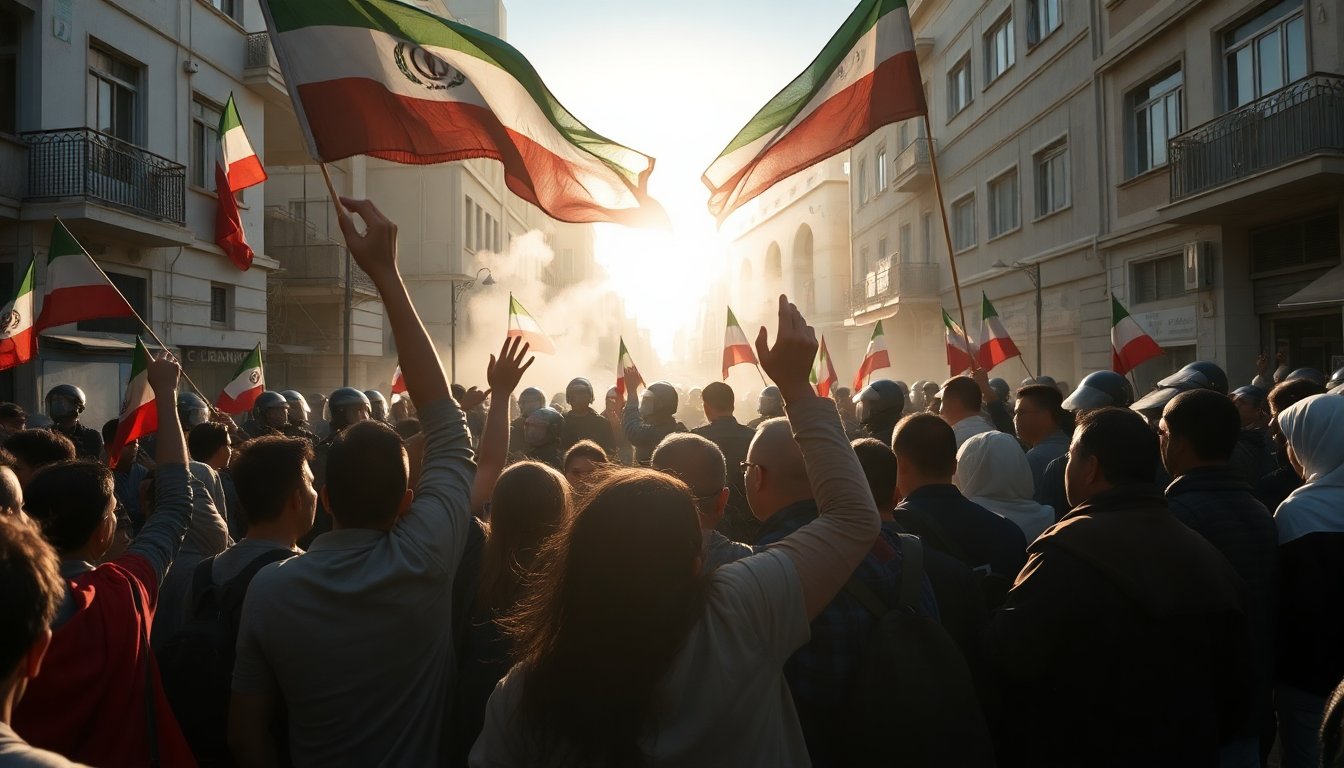
In recent weeks, the Iranian government has intensified its violent crackdown on citizens protesting against the regime. This response has resulted in a staggering number of casualties, alarming observers and human rights advocates. The brutal suppression of dissent has raised fears of an escalating humanitarian crisis.
The situation escalated markedly following January 8, when anti-regime protests surged. The government imposed a significant internet blackout, further isolating the Iranian populace from the outside world. Despite this disconnection, reports of shootings and mass casualties have emerged, revealing the harsh reality faced by protesters. Some critical information has surfaced, highlighting the deteriorating state of human rights in Iran.
Understanding the scale of the violence
The Iranian regime’s response to the protests has been marked by extreme measures. International observers report that the death toll could range from 5,000 to an alarming 20,000 individuals. These figures, while uncertain, underscore the severity of the situation and the urgent need for international attention.
Documenting the aftermath
In the midst of chaos, journalists and researchers have employed open-source techniques to gather vital information. A notable investigation by BBC Verify utilized leaked photographs from a mortuary in South Tehran, showcasing the tragic consequences of the government’s crackdown. The images revealed numerous bodies, some showing visible injuries consistent with gunfire, corroborating eyewitness accounts of violent encounters between protesters and security forces.
Shayan Sardarizadeh, a senior journalist with BBC Verify, emphasized the importance of verifying these images to ensure their authenticity. The investigation focused on matching details from the mortuary videos with other verified sources, leading to confirmation of at least 326 individuals who lost their lives during the protests.
The role of journalists in crisis situations
In times of turmoil, the role of journalists becomes critical. They document events as they unfold and sift through a plethora of information to provide accurate accounts. In Iran, where communication is heavily restricted, these challenges are amplified. Journalists depend on intermittent internet connections to gather footage and eyewitness testimonies.
Challenges and ethical considerations
One significant challenge for journalists is the emotional toll of reviewing graphic content. Sardarizadeh stressed the importance of maintaining professionalism while dealing with distressing material. The BBC Verify team is accustomed to handling sensitive information and employs strategies to support one another during these challenging times.
The team ensures that no individual is overwhelmed by the volume of distressing images and strives to maintain a healthy balance between their work and emotional well-being. Their commitment to delivering important stories remains paramount, despite the psychological challenges posed by their work.
Future implications and ongoing investigations
As the situation in Iran evolves, the potential for more horrific revelations remains. Once the internet blackout is lifted, an influx of new footage and information is anticipated, shedding further light on the events of early January. Journalists will face the challenge of discerning fact from misinformation, especially in a landscape rife with misleading narratives.
Furthermore, the emergence of sophisticated technologies, including artificial intelligence, has transformed how information is produced and disseminated. Journalists must remain vigilant in verifying content, particularly during a time when AI-generated media can easily mislead audiences.
The situation escalated markedly following January 8, when anti-regime protests surged. The government imposed a significant internet blackout, further isolating the Iranian populace from the outside world. Despite this disconnection, reports of shootings and mass casualties have emerged, revealing the harsh reality faced by protesters. Some critical information has surfaced, highlighting the deteriorating state of human rights in Iran.0