
Table of Contents
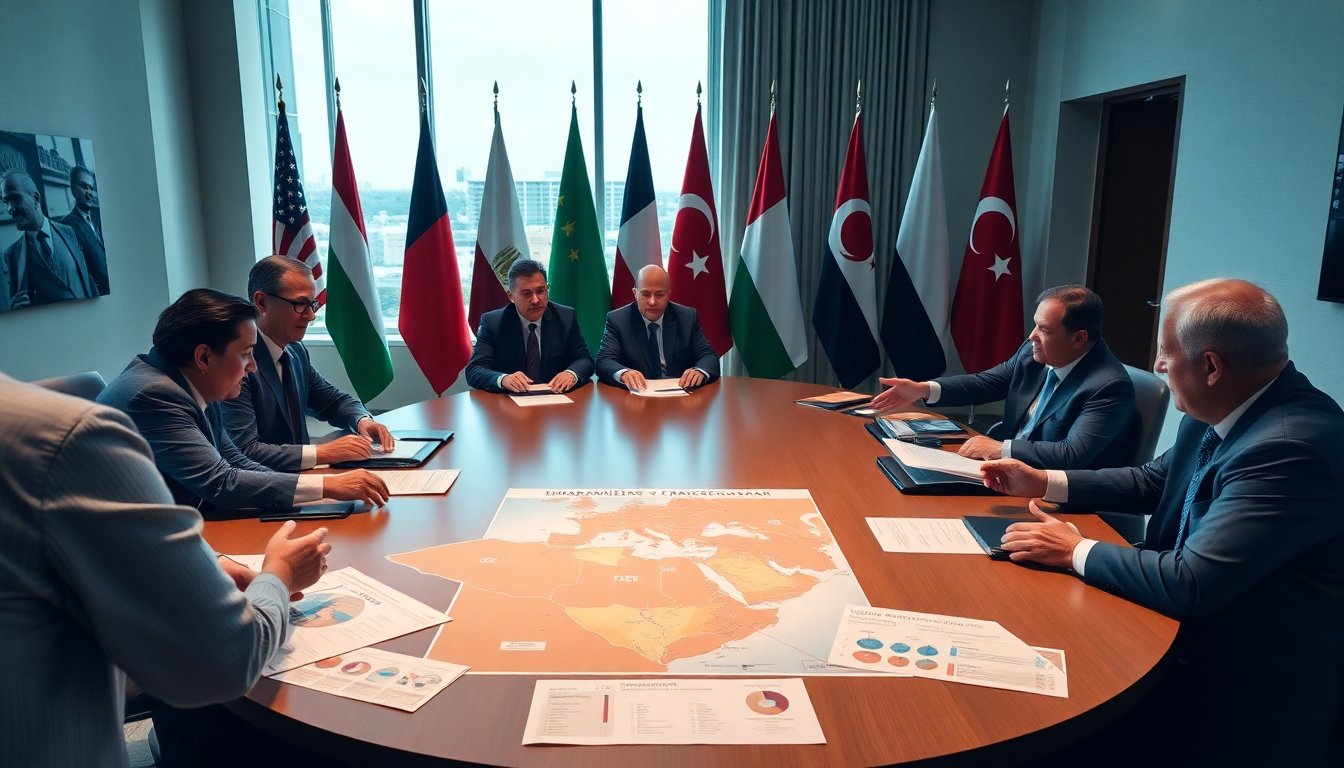
In a concerted effort to address the escalating tensions in Gaza, representatives from the United States, Egypt, Qatar, and Turkey have met to discuss the ongoing ceasefire. The discussions, held in Miami, focused on the initial outcomes of the truce that began on October 10. These talks took place amidst continuous Israeli military actions in the region.
The US envoy, Steve Witkoff, emphasized the importance of adhering to the commitments made by both sides and urged for restraint. He reiterated the need for all parties to cooperate with existing monitoring arrangements and remain committed to the broader objectives outlined in the peace plan initiated by President Trump.
Progress and Challenges of the Ceasefire
The joint statement released following the talks highlighted several positive developments since the ceasefire commenced. These included the expansion of humanitarian assistance, the return of deceased captives, as well as a reduction in hostilities. However, the backdrop of violence presents a significant challenge to these gains, as recent reports indicated that Israeli airstrikes resulted in casualties among civilians, including an incident that claimed six lives at a school serving as a shelter.
Urgent Humanitarian Needs
As winter approaches, the humanitarian situation in Gaza has become increasingly dire. The destruction of infrastructure has left many without adequate shelter, with urgent calls for tents and other essential supplies to prevent further loss of life. Aid organizations have expressed concerns that ongoing Israeli restrictions are severely hampering their ability to provide necessary support to the affected population.
During a meeting in Istanbul, senior Hamas negotiator Khalil al-Hayya reaffirmed the group’s commitment to the ceasefire, despite acknowledging violations by Israeli forces. He stressed the importance of addressing the urgent humanitarian needs of those in Gaza, particularly as winter conditions worsen.
The Role of International Forces
Part of the ceasefire plan includes the deployment of an international stabilization force to oversee the transition in Gaza. US Secretary of State Marco Rubio expressed optimism regarding contributions from various nations to this effort, while also advocating for the disarmament of Hamas as a critical element for sustainable peace. The success of the ceasefire agreement hinges on these intricate dynamics and cooperation from all involved parties.
Ongoing Violence and Civilian Impact
Despite diplomatic efforts, violence continues to plague the region. The Israeli military has claimed that strikes are necessary to neutralize threats, further complicating the truce’s effectiveness. The latest reports indicate that over 70,700 Palestinians have lost their lives since the conflict escalated in October, with many more injured, predominantly women and children.
In addition to casualties, the destruction of homes and critical infrastructure has left thousands trapped beneath rubble, highlighting the urgent need for a coordinated humanitarian response. The continuous military actions threaten to unravel the fragile peace, making it imperative for all parties to adhere to their commitments and seek peaceful resolutions.