
Table of Contents
In a stark contrast to the discussions among world leaders at the World Economic Forum in Davos, a tragic incident in the Gaza Strip highlights the urgent humanitarian issues facing its residents. A three-month-old baby, Shaza Abu Jarad, lost her life due to severe hypothermia, illustrating the grim reality of living conditions in the territory.
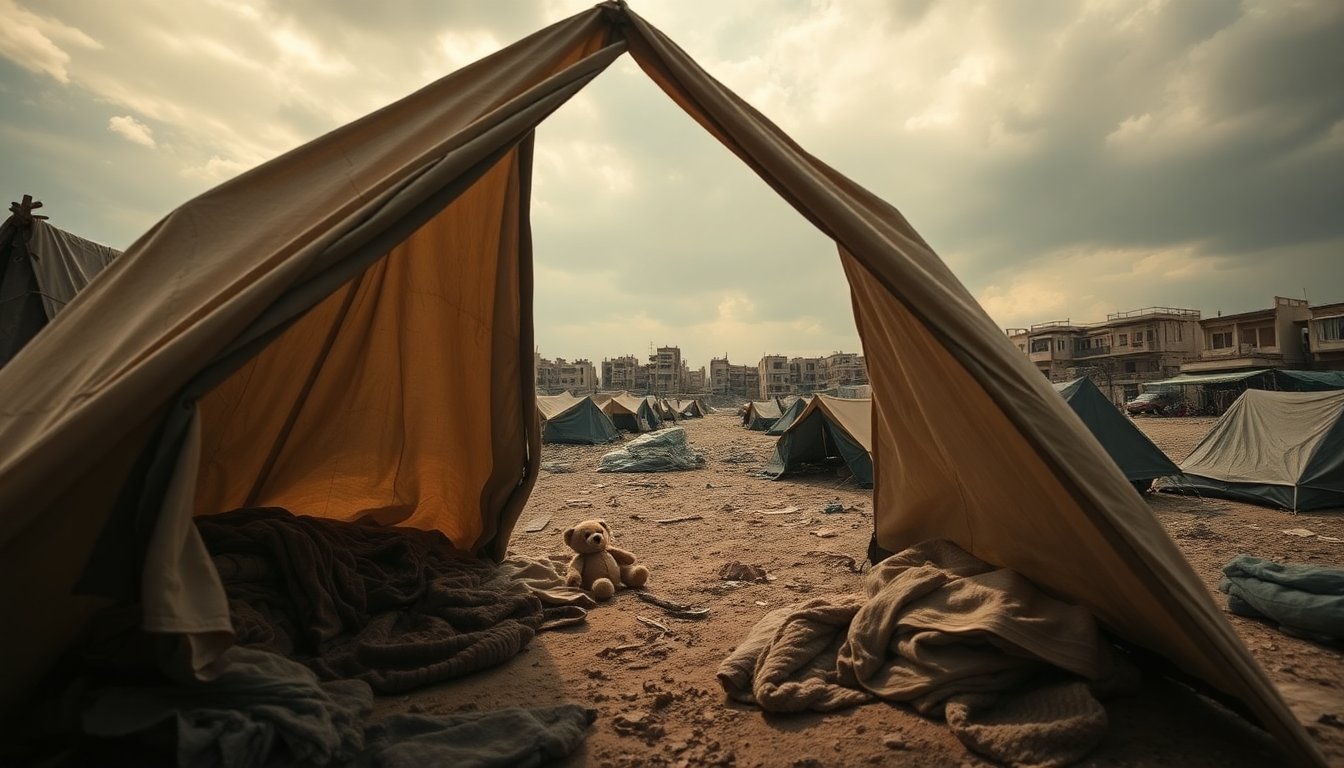
On Tuesday morning, Shaza’s family discovered her unresponsive in their makeshift tent in the Daraj neighborhood of Gaza City. Her father, Mohamed Abu Jarad, shared the heartbreaking news, stating, “She was freezing, and dead. She died from cold.” This incident compounds the overwhelming challenges faced by families in Gaza, many of whom reside in displacement camps or damaged buildings.
Cold realities of life in Gaza
The plight of the Abu Jarad family is not isolated. With winter temperatures frequently dropping below 10 degrees Celsius (50 degrees Fahrenheit) at night, many families struggle against the elements. The couple, along with their seven other children, took refuge in a tent after their home was destroyed in the ongoing conflict. Shaza was later pronounced dead at Al-Ahly hospital, with hypothermia confirmed as the cause of death.
Humanitarian crisis exacerbated by conflict
The humanitarian situation in Gaza is dire. Hundreds of thousands are displaced and living under harsh conditions, with inadequate shelter and warmth posing a critical concern. Despite a ceasefire that began in October, allowing some humanitarian aid to enter the region, essentials like blankets and warm clothing remain scarce. Reports indicate that over 100 children have died since the ceasefire commenced, highlighting a broader issue that transcends the immediate conflict.
Global leaders and peace initiatives
As the international community works towards establishing a Board of Peace led by President Donald Trump, the grim realities faced by Gaza’s inhabitants serve as a stark reminder of the challenges that remain. The initiative aims to address global conflicts, yet the situation in Gaza raises questions about its effectiveness. World leaders gathering in Davos are confronted with the urgent need to address humanitarian crises while discussing broader strategies for conflict resolution.
Continuing struggles for survival
The International Committee of the Red Cross has emphasized the severe implications of the biting cold and persistent rain in Gaza, labeling them significant threats to survival. Families like the Abu Jarads continue to endure harsh winter months without adequate resources, making the broader implications of political decisions painfully clear. The ongoing demolitions of essential facilities, including the UN agency headquarters for Palestinian refugees, further complicate the situation, raising concerns about the future of humanitarian aid in the region.
While the Board of Peace aims to bring resolution to the conflict, many question its potential impact on the ground. The initiative’s reach may extend beyond Gaza, but without immediate attention to the humanitarian needs of its residents, overarching goals may remain unfulfilled. The tragic loss of young Shaza underscores the urgent need for world leaders to prioritize humanitarian aid in their discussions.