
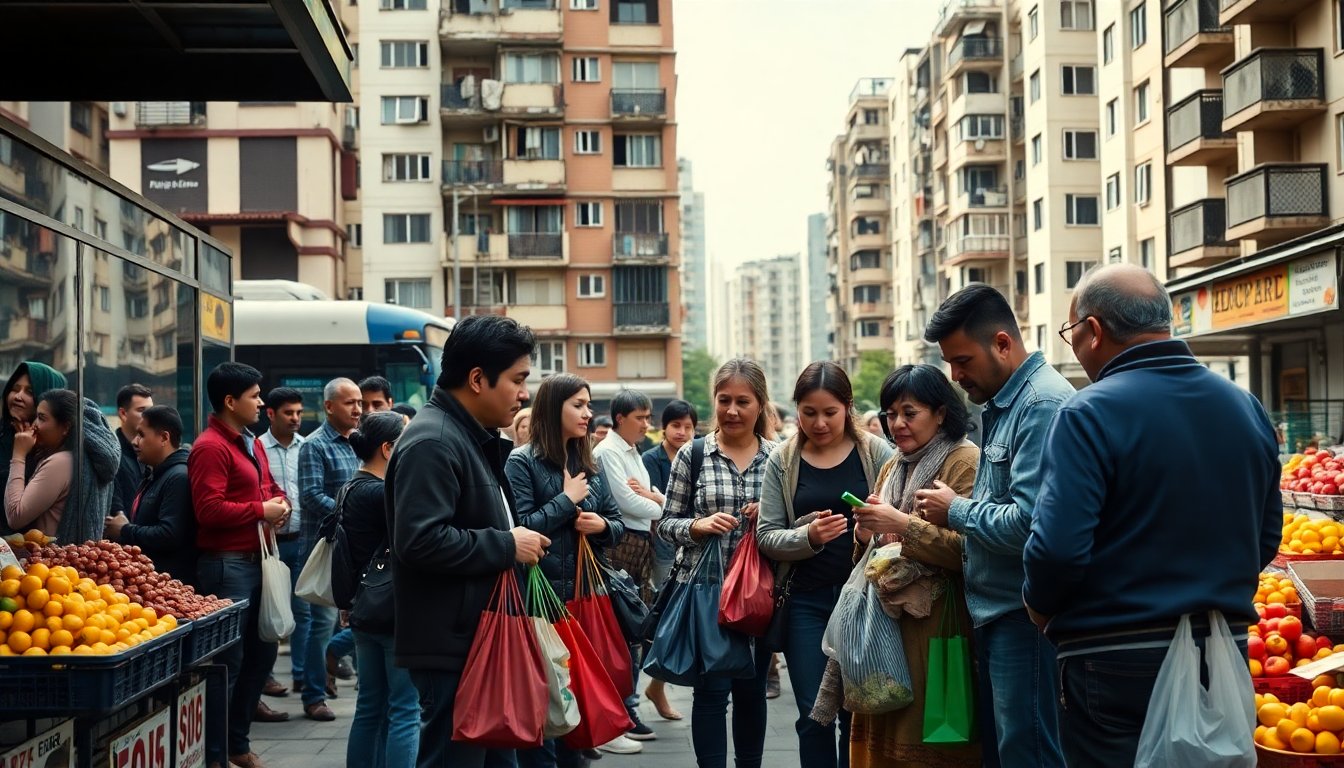
The global economic landscape is undergoing a profound transformation as the affordability crisis disrupts political equilibrium in various nations. Recent polling data indicates that citizens are increasingly dissatisfied with their leaders’ ability to address rising costs, from housing to food. This sentiment transcends regions, reflecting widespread discontent that poses a significant challenge for governments worldwide.
As leaders grapple with these intertwined issues, the political ramifications are becoming increasingly apparent. The growing frustration among voters is manifesting in demands for change, prompting political shifts and realignments in many democracies. Understanding the factors driving this crisis is essential for comprehending its impact on political stability.
The rising cost of living: A global concern
Many nations are witnessing unprecedented increases in the cost of living. This phenomenon is not confined to local issues; it represents a global trend affecting both developed and developing countries. Citizens struggle to make ends meet as inflation rates soar and wages stagnate, leading to heightened levels of frustration and anxiety.
International polling reveals a striking pattern: the majority of respondents express dissatisfaction with their government’s handling of the affordability crisis. This discontent stems from a perception that political leaders are either out of touch with the realities faced by ordinary citizens or incapable of implementing effective solutions. Consequently, political parties in various countries are feeling pressure to adapt their platforms to address these urgent concerns.
Political consequences of economic discontent
As the affordability crisis escalates, political landscapes are shifting dramatically. Many incumbents are facing challenges from both established parties and emerging movements that prioritize economic reform. The growing discontent has given rise to populist sentiments, where leaders leverage public frustration to gain support.
Moreover, traditional voting patterns are changing. Voters are increasingly willing to support candidates who promise to tackle the affordability crisis head-on, regardless of party affiliation. This shift is evident in recent elections around the world, where candidates advocating for comprehensive economic policies have gained traction.
Responses from political leaders
In response to mounting pressure, political leaders are formulating strategies to address the affordability crisis. Many governments are introducing measures aimed at alleviating the financial burden on their citizens, such as subsidies for essential goods, increased minimum wages, and housing assistance programs.
However, implementing these solutions is fraught with challenges. Leaders must navigate complex political landscapes while balancing fiscal responsibility with the urgent need to support struggling families. The effectiveness of these measures will likely play a crucial role in shaping public perception and determining the political fortunes of those in power.
The role of international cooperation
Addressing the affordability crisis requires a collaborative approach among nations. Many governments recognize the importance of sharing best practices and coordinating efforts to stabilize their economies. Initiatives aimed at fostering international dialogue on economic policies can lead to innovative solutions that benefit citizens globally.
Furthermore, international organizations play a vital role in facilitating these conversations. By promoting cooperative economic strategies, these entities can help governments better manage the challenges posed by rising living costs. This focus on collaboration underscores the interconnectedness of today’s political and economic systems.
As leaders grapple with these intertwined issues, the political ramifications are becoming increasingly apparent. The growing frustration among voters is manifesting in demands for change, prompting political shifts and realignments in many democracies. Understanding the factors driving this crisis is essential for comprehending its impact on political stability.0


