
Overview
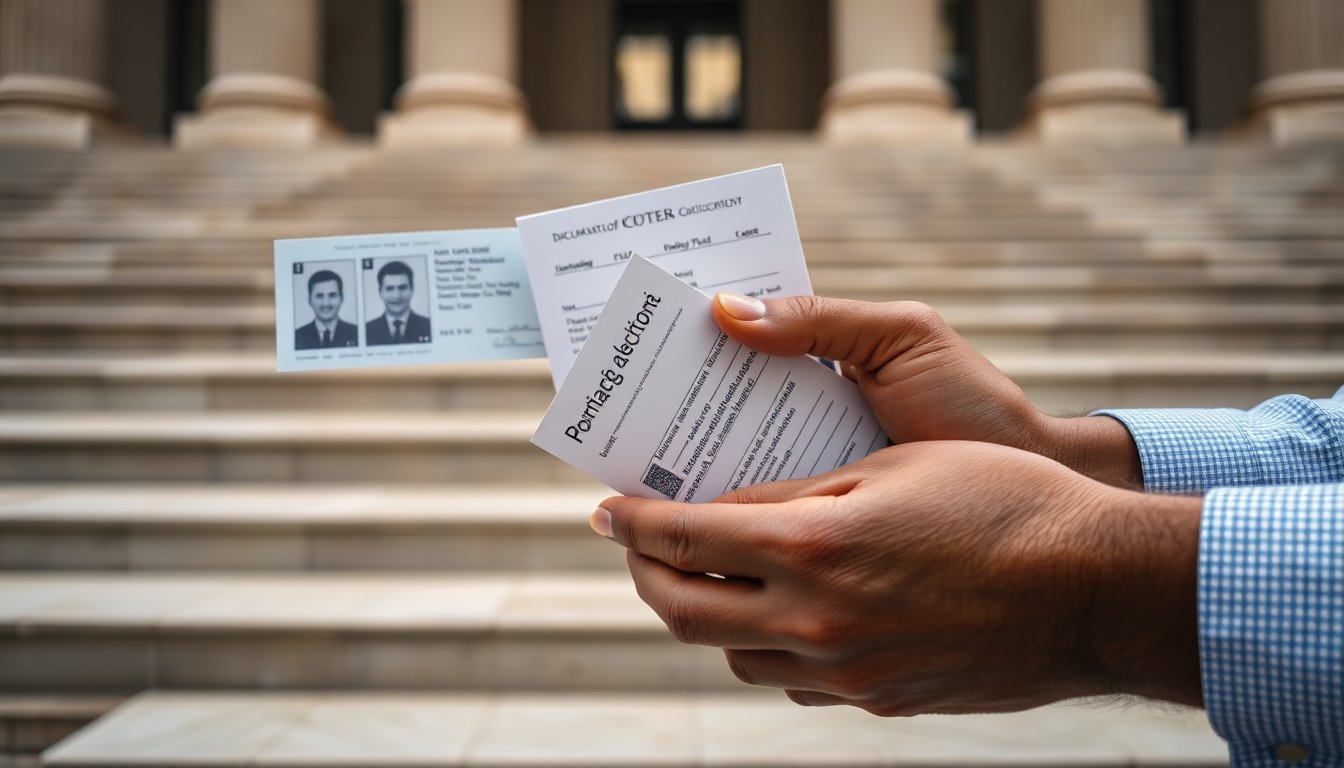
Republican lawmakers in several states have launched a coordinated push to tighten voter registration by requiring proof of U.S. citizenship—such as a birth certificate, passport or naturalization papers—to sign up. The New York Times highlighted this wave of proposals on February 18, 2026. Supporters say the changes would strengthen election security; critics warn they would erect new barriers to voting and echo unsubstantiated fraud claims promoted by some national figures.
Why markets and public finance care
This isn’t only a political story. Changes to election rules ripple into budgets, contracts and investor calculations:
- – Policy uncertainty: Renewed legislative activity raises questions for companies that provide election-management systems, identity-verification software and related services. That uncertainty can dampen investor appetite for firms dependent on state and local contracts.
- Procurement and cost pressures: Adding citizenship verification will create administrative overhead—software updates, staff training, new workflows—all paid from already-tight county and state budgets.
- Credit implications: Credit analysts and municipal bond investors watch governance and litigation risk closely. Extended court battles or higher recurring election costs could change borrowing terms for affected jurisdictions.
- Winners and nonprofits: Startups that offer verification tools may see demand spike, while civic-help organizations likely need more funding to guide people through new documentation rules.
How fast and how far this could go
– Geographic reach: More than a dozen state legislatures have seen bills introduced or amended since early 2026, mostly backed by Republican sponsors.
– Momentum: Coverage after the February 18 article accelerated activity, and several states already face legal challenges.
– Uncertain rollout: Courts and injunctions are the big wildcards. Even if legislatures pass laws, implementation may be delayed, altered or blocked—creating timing and revenue uncertainty for vendors and shifting procurement timetables for states.
Key variables to watch
– Court rulings: Judicial decisions will largely determine whether new documentation requirements take effect and how quickly.
– Administrative capacity: County election offices would handle verification. Staffing shortages and outdated tech could slow rollouts and raise costs.
– Public response: Mobilization by voters and civil-rights groups, shifts in public opinion and local advocacy will influence political incentives and legal strategy.
– State-by-state differences: Expect a patchwork of outcomes—some states may implement new rules, others will stall or be stopped entirely.
Near-term winners and losers
– Likely beneficiaries: Vendors of identity-verification systems, chain-of-custody tools and compliance consultants could win new contracts as states scramble to upgrade processes.
– At risk: Civic nonprofits and community organizations face higher operating costs to help eligible voters navigate replacement documents; smaller vendors could struggle if procurement stalls.
– Fiscal strains: Election-administration budgets, municipal borrowing plans and other programs may be reprioritized to cover verification costs.
Illinois: a microcosm
Illinois captures the national split. Republican sponsors frame proposals as fixes for “systemic vulnerabilities,” while opponents point to a lack of evidence and warn that the measures will produce costly litigation and administrative headaches. Local media attention and campaign spending have risen, and public debate has linked election-administration proposals to broader concerns—wages, immigration enforcement and living costs—shaping voter focus and campaign tactics.
Market signals from Illinois
– Campaign finance and media-monitoring show more funding for primary challengers and heavier coverage of election-integrity messaging.
– Municipal credit analysts are flagging contingency plans tied to potential litigation and added election spending.
– Investors and philanthropic funders are watching whether the rhetoric yields concrete policy or remains largely symbolic.
What this means for voters
If new verification rules are enacted and enforced, registration and turnout could fall among people who struggle to obtain documents—young adults, lower-income residents and some minority communities. Proponents counter that these measures would increase confidence in results. Which outcome prevails will hinge on court decisions, administrative supports (for example, free document-replacement services) and outreach by community groups.
What to watch next
– Key court rulings and any federal litigation that could override or block state initiatives.
– Procurement activity: new contracts for verification or election-management systems and the schedule for those awards.
– Budget moves: whether states or counties reallocate funds for verification staff, training and technology.
– Data signals: trends in registration levels, requests for document-replacement services and the volume of related media coverage.
Markets have already started pricing in higher policy risk. Over the next few months, litigation, procurement decisions and administrative guidance will determine whether these bills meaningfully change how Americans register and vote—or remain contested proposals with limited real-world impact.