
Table of Contents
What happened at the Prudential Center
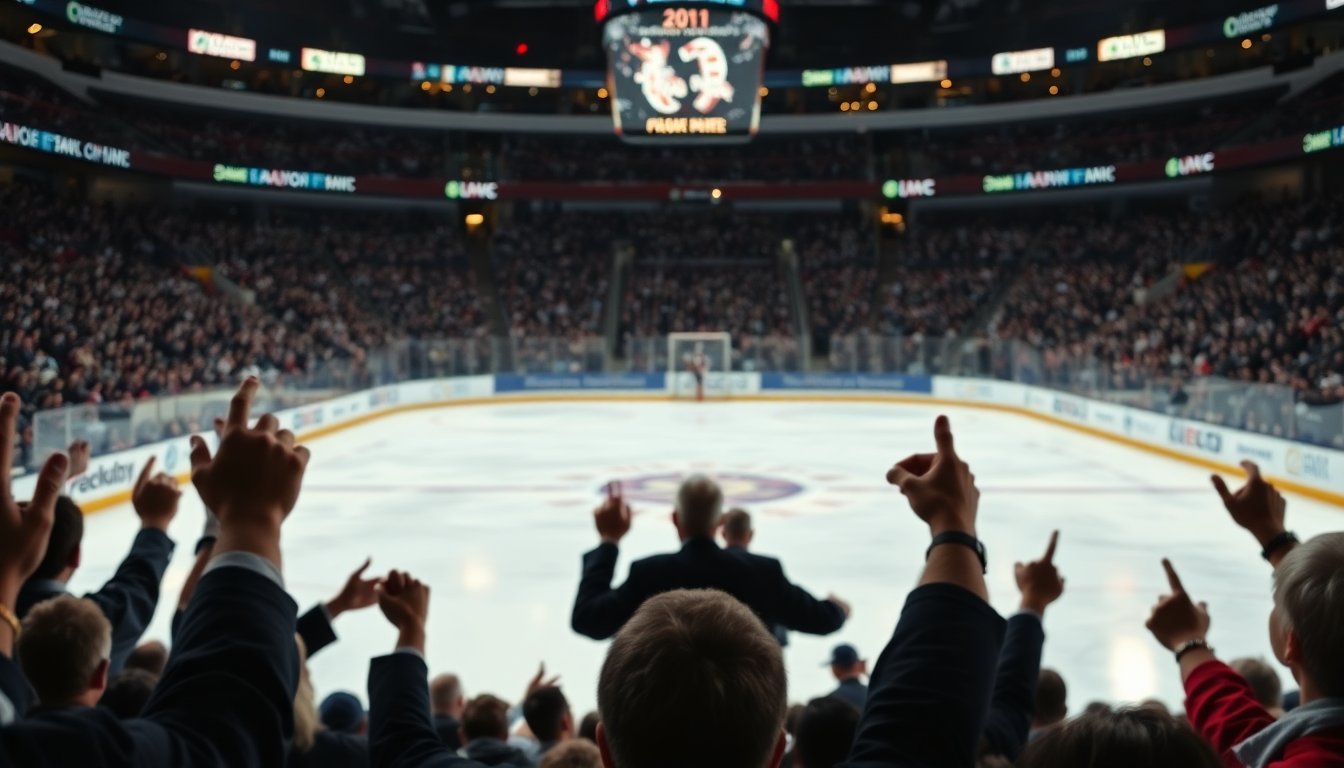
On Feb. 25, 2026, a routine pregame ceremony at the Prudential Center turned into something unexpected: part celebration, part confrontation. Fans cheered and chanted for Jack Hughes after his Olympic overtime winner in Milan, filling the arena with hugs, sustained applause and a genuine glow of pride. But when New Jersey Governor Mikie Sherrill and her husband were announced, a loud chorus of boos broke out from pockets of the crowd — a reaction that was captured on dozens of phones and shared across social platforms within minutes.
Two simultaneous scenes played out: one of unbridled jubilation for the athletes, the other of vocal disapproval aimed at a public official. Multiple camera angles — from broadcasters and fans alike — quickly created a near-real-time record of both the celebration and the heckling.
Why this moment matters
The episode illustrates how modern sporting events unfold on two stages: the physical arena and the digital one. A fleeting reaction in the stands can be uploaded, amplified and dissected across the internet almost instantly, turning a local incident into a statewide conversation. That rapid spread raises practical questions for teams, venues and media partners about crowd management, broadcast rights and reputational risk when an official is openly heckled during a private event.
Social media and the political backdrop
As the clips circulated, social media filled with two competing storylines. Many posts celebrated Hughes’ triumph and the proud homecoming vibe; others focused on whether it was appropriate to target an elected official at a ceremonial moment. Hashtags related to the Devils and to political debate trended locally for hours, mixing sports fandom with civic anger.
The timing of Gov. Sherrill’s appearance matters. Her 2026 campaign drew scrutiny over events tied to her academy years — controversies she has disputed — and a recent Justice Department lawsuit alleging the state expanded sanctuary policies that conflict with federal enforcement added fuel to an already heated political atmosphere. Those tensions likely helped turn what might have been a subdued reaction into a prolonged chorus of boos.
Officials review footage as tensions linger
Arena staff confirmed they are reviewing video and social-media uploads to construct a timeline and determine whether chants or boos were spontaneous or coordinated. The inquiry is ongoing and no conclusions have been announced.
From a security perspective, venues routinely examine footage after incidents to inform crowd-control plans and refine staff training. For this case, officials will be weighing whether the behavior crossed lines that warrant action and how to prevent similar flare-ups in the future.
Practical and legal considerations
Legally, individual attendees usually face limited exposure for shouting or booing in a public venue. But the fallout for public figures can be significant, and organizers can face operational headaches and reputational damage. Venues typically have codes of conduct and the authority to limit abusive or disruptive behavior; they also rely on post-event reviews to guide future policy.
Common best practices include coordinating introductions with public offices beforehand, scripting remarks to avoid flashpoints, training staff in de-escalation, and making arena policies and ticketing terms clear to patrons. For elected officials, appearances at sporting events are often a matter of optics and public relations rather than legal strategy.
The night’s focus: the athletes
Despite the noise, the event remained primarily a celebration of hockey. Jack Hughes stood at center ice, visibly moved, thanked fans and teammates, and acknowledged the weight of his recent gold-medal moment. The applause and embraces for the athletes were sustained and heartfelt, underscoring why teams bring community and civic leaders into the spotlight in the first place — to honor players and share a collective sense of pride.
What comes next
Two simultaneous scenes played out: one of unbridled jubilation for the athletes, the other of vocal disapproval aimed at a public official. Multiple camera angles — from broadcasters and fans alike — quickly created a near-real-time record of both the celebration and the heckling.0
A broader conversation
Two simultaneous scenes played out: one of unbridled jubilation for the athletes, the other of vocal disapproval aimed at a public official. Multiple camera angles — from broadcasters and fans alike — quickly created a near-real-time record of both the celebration and the heckling.1
Two simultaneous scenes played out: one of unbridled jubilation for the athletes, the other of vocal disapproval aimed at a public official. Multiple camera angles — from broadcasters and fans alike — quickly created a near-real-time record of both the celebration and the heckling.2