
Table of Contents
Discovery of deceased porpoise highlights marine ecosystem challenges
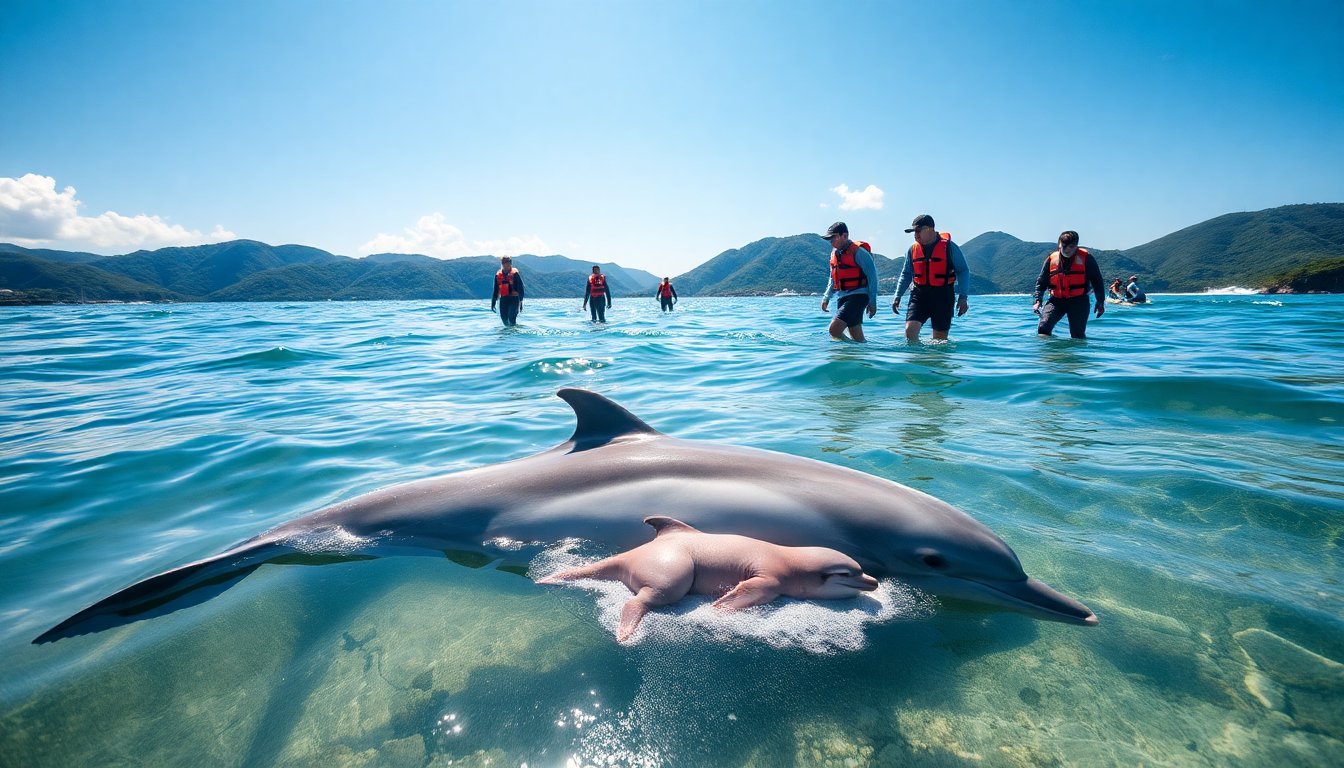
Researchers from the University of Hong Kong’s Swire Institute of Marine Science (SWIMS) reported a significant incident that underscores the fragility of marine ecosystems. A femaleporpoisewas found dead while giving birth in Mirs Bay. The discovery of a stillborn calf has raised awareness about the challenges marine mammals face in their natural habitats.
On a Tuesday morning around 9:45 AM, a boat captain working with SWIMS encountered the lifeless body of the porpoise. This prompted a thorough investigation into the circumstances surrounding the incident. The event serves as a stark reminder of the numerous dangers that threaten marine wildlife, especially in urban coastal regions such as Hong Kong.
Understanding the marine environment in Hong Kong
Hong Kong’s waters host a diverse range of marine species but also face significant environmental pressures. The recent discovery of a deceased porpoise raises concerns about the health of the aquatic ecosystem. Factors such as pollution, habitat destruction, and increased maritime traffic contribute to the declining populations of marine mammals in the region.
Researchers are increasingly worried about the impact of urbanization on the habitats of porpoises and other marine life. As urban areas expand into coastal zones, the natural environments that support these creatures become increasingly compromised. This incident highlights the urgent need for policymakers and conservationists to prioritize the protection of marine ecosystems.
The significance of porpoises in the ecosystem
Porpoises play a crucial role in maintaining the balance of their marine environments. As apex predators, they help regulate the populations of fish and other marine organisms. Their presence in a habitat often indicates a healthy ecosystem, making their decline particularly alarming.
Moreover, these intelligent mammals serve as key indicators of environmental changes. A significant decrease in porpoise populations often signals broader ecological issues that may affect other species, including humans. Protecting porpoises and their habitats is vital not only for biodiversity but also for the
Conservation efforts and future implications
The discovery of the porpoise and its stillborn calf highlights the urgent need for effective conservation strategies. Researchers and organizations emphasize the importance of raising awareness about marine conservation and implementing protective measures.
Establishing marine protected areas (MPAs) and enhancing water quality through stringent regulations can significantly benefit marine wildlife. Public education on the importance of preserving marine ecosystems and reducing pollution is equally essential.
Moving forward with marine conservation
The recent loss of the porpoise highlights the urgent need to implement effective measures to protect marine life. Collaborative efforts among government agencies, environmental organizations, and local communities are essential for fostering sustainable interactions with our oceans.
Engaging the public in conservation initiatives, such as beach clean-ups and awareness campaigns, can have a significant impact. By instilling a sense of responsibility for marine ecosystems, we can work towards ensuring that future generations inherit vibrant ocean environments.
The incident involving the porpoise serves as a stark reminder of the fragile balance within our ecosystems. This situation underscores the necessity for collective action to safeguard marine wildlife and their habitats. The time to act is now, for the benefit of both these magnificent creatures and the health of our oceans.