
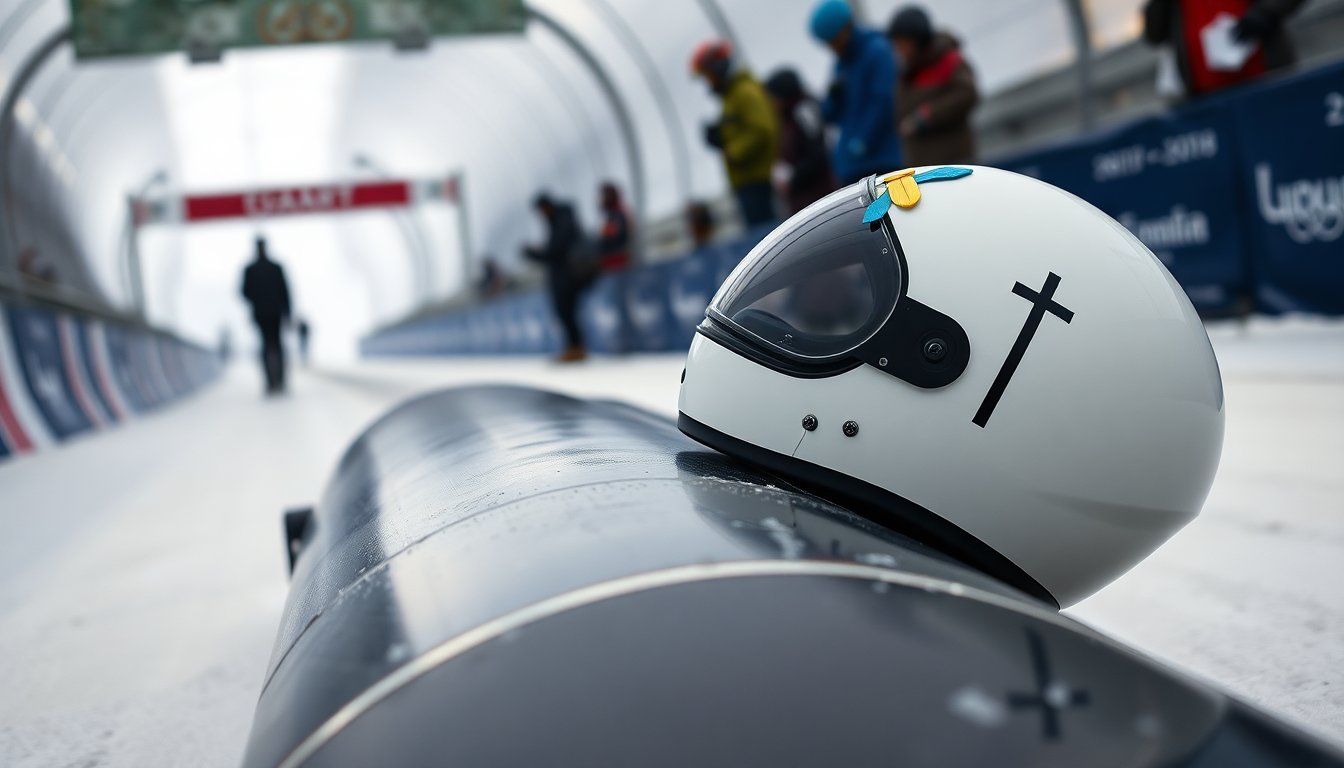
Ukrainian skeleton racer Vladyslav Heraskevych was removed from competition at the Milano–Cortina Games after he refused to take off a helmet that paid tribute to athletes and coaches killed in the war with Russia. Reported on Feb. 12, 2026, the ruling turned a routine uniform enforcement into a heated debate about where personal remembrance ends and Olympic regulation begins.
Heraskevych called forfeiting his start “the price of our dignity.” His team has filed an urgent appeal with the Court of Arbitration for Sport (CAS). The episode drew a public endorsement from Ukrainian president Volodymyr Zelenskyy, expressions of solidarity from teammates, and fresh scrutiny of the IOC’s Rule 50, which limits visible political demonstrations at Olympic venues.
A narrow rule, a wide argument
Rule 50 of the Olympic Charter bans political, religious and racial messages from competition sites and ceremonial stages. The IOC argues this preserves the Games as a neutral stage for sport: athletes may speak in press conferences and other non‑competition settings, but visible symbols and staged demonstrations during competition and ceremonies are restricted.
Critics say that “neutrality” can be a blunt instrument. For many athletes — particularly those from conflict zones or marginalized communities — identity and politics are inseparable. They argue the rule’s carve-outs are too small and unevenly applied. Supporters counter that allowing overt protests on podiums or during medals ceremonies would politicize an event meant to unite competitors from around the world. The IOC points to athlete input on its guidelines, but enforcement has varied, and national committees often interpret the rule differently.
What happened to the helmet
Heraskevych’s helmet — described by supporters as a “helmet of remembrance” — listed names meant to honor fallen Ukrainian sportspeople and coaches. Officials concluded the helmet violated equipment and conduct regulations and removed his accreditation for the event. Heraskevych and allies insist the display was an act of mourning, not a political provocation tied to a policy message.
That distinction matters legally and emotionally. Enforcement can mean more than a reprimand: an athlete can lose a one‑time opportunity that cannot be recreated. The complaint lodged with CAS alleges procedural irregularities; the tribunal agreed to an expedited review, but the appeal could not be heard in time to restore his place in the competition window. The immediate sporting loss now sits alongside a possible legal precedent.
Timing, procedure and irreversible harm
Observers have seized on the timing and mechanics of the sanction. In tightly scheduled Olympic events, a delayed appeal or an administrative pause can effectively strip an athlete of competition they prepared for over years. Legal specialists say CAS will likely examine whether authorities followed applicable rules and whether the sanction’s timing allowed meaningful remedy for missed opportunities.
Beyond legal technicalities, the case raises practical policy questions: Are current timelines and dispute-resolution mechanisms adequate to protect athletes from irreversible competitive harm? Do enforcement practices vary depending on the athlete’s nationality or the geopolitical salience of their message? These are the issues CAS and the IOC will now have to reckon with.
Reactions and ripple effects
Reactions split predictably along political and philosophical lines. Some national Olympic committees and athlete groups have urged clearer, consistently applied rules; others warn that loosening restrictions risks turning the Games into a stage for geopolitical posturing. Zelenskyy publicly praised Heraskevych for drawing attention to the human cost of the conflict, and several teammates adopted smaller, sanctioned gestures — messages on gloves or warmup sheets — to continue the remembrance within the limits they were given.
Media outlets and commentators called the ban one of the Games’ most consequential controversies, not just for its immediate sporting consequence but for what it reveals about the limits of institutional neutrality when war is on the doorstep. The case has already fueled calls for the IOC to clarify what counts as political, how context should shape enforcement, and who gets the final say.
Heraskevych called forfeiting his start “the price of our dignity.” His team has filed an urgent appeal with the Court of Arbitration for Sport (CAS). The episode drew a public endorsement from Ukrainian president Volodymyr Zelenskyy, expressions of solidarity from teammates, and fresh scrutiny of the IOC’s Rule 50, which limits visible political demonstrations at Olympic venues.0
Heraskevych called forfeiting his start “the price of our dignity.” His team has filed an urgent appeal with the Court of Arbitration for Sport (CAS). The episode drew a public endorsement from Ukrainian president Volodymyr Zelenskyy, expressions of solidarity from teammates, and fresh scrutiny of the IOC’s Rule 50, which limits visible political demonstrations at Olympic venues.1
Heraskevych called forfeiting his start “the price of our dignity.” His team has filed an urgent appeal with the Court of Arbitration for Sport (CAS). The episode drew a public endorsement from Ukrainian president Volodymyr Zelenskyy, expressions of solidarity from teammates, and fresh scrutiny of the IOC’s Rule 50, which limits visible political demonstrations at Olympic venues.2
Heraskevych called forfeiting his start “the price of our dignity.” His team has filed an urgent appeal with the Court of Arbitration for Sport (CAS). The episode drew a public endorsement from Ukrainian president Volodymyr Zelenskyy, expressions of solidarity from teammates, and fresh scrutiny of the IOC’s Rule 50, which limits visible political demonstrations at Olympic venues.3