
The Middle East has faced ongoing conflict for decades, and recent reports indicate that the Lebanese militant group Hezbollah may be gearing up for renewed hostilities. Sources suggest Hezbollah is significantly enhancing its military capabilities, which threatens the already fragile cease-fire agreements in the region.
This uptick in Hezbollah’s military activities is raising concerns both within Lebanon and among international observers, especially regarding the potential impact on Israel. As the group aims to improve its armament and operational preparedness, the risk of renewed violence increases.
Hezbollah’s military resurgence
Hezbollah’s military buildup raises regional tensions
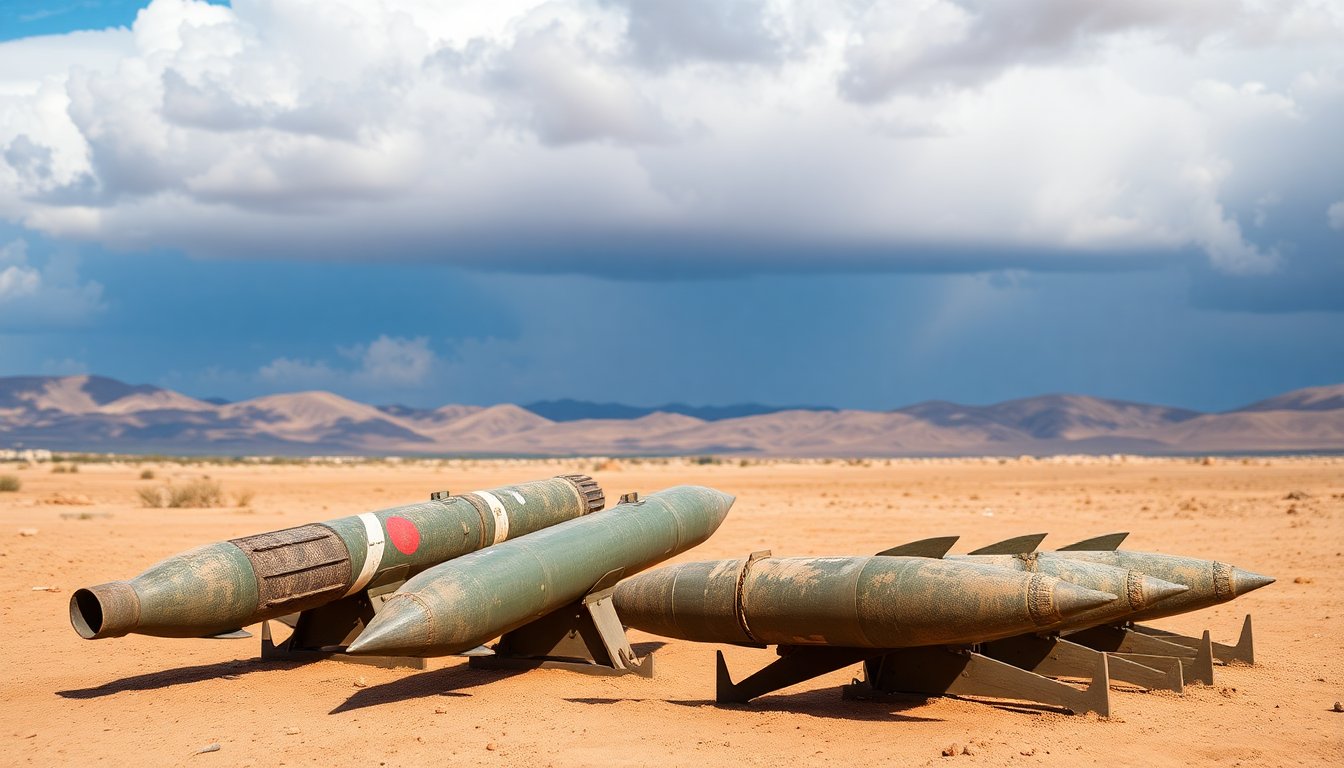
Recent intelligence reports indicate that Hezbollah is actively replenishing its arsenal, focusing on recovering from previous losses. The group’s strategy involves not only rebuilding its ranks but also modernizing its weaponry, which includes advanced missiles and various military equipment. This transition enhances Hezbollah’s warfare capabilities and complicates an already sensitive situation in the region.
The implications for Israel
For Israel, Hezbollah’s rearmament is a significant concern. Historically, the group has been a major adversary, and its growing military strength could alter the balance of power in the region. Analysts fear that these developments may prompt Israel to initiate preemptive strikes to neutralize the perceived threat before it escalates.
The potential for conflict is a pressing concern, as historical encounters between the two factions have resulted in severe consequences. As Hezbollah strengthens its position, the Israeli Defense Forces may feel compelled to take action, increasing the risk of heightened tensions in an already unstable region.
International response and concerns
The international community is actively monitoring these developments, aware of the fragile nature of the Middle Eastern geopolitical landscape. Various nations, especially those with interests in maintaining stability in Lebanon, are expressing their apprehensions. Diplomatic efforts aimed at promoting peace must now navigate the complexities posed by Hezbollah’s military objectives.
The United Nations and other international organizations have reaffirmed their commitment to maintaining peace in the region. Nonetheless, the resurgence of Hezbollah poses a significant threat to these efforts. The group continues to violate the terms of the cease-fire, which has been tenuously in place for some time.
The role of regional allies
Hezbollah’s actions are significantly influenced by its regional allies, especially Iran. This support allows Hezbollah to acquire advanced weaponry and military training, complicating the situation further. Such partnerships raise alarms among neighboring countries, which fear that a more powerful Hezbollah could encourage other militant groups in the area.
In light of these developments, the narrative of a peaceful resolution seems increasingly out of reach. The potential for an arms race in the region poses a significant threat, as nations may feel compelled to enhance their military capabilities in response to Hezbollah’s actions.
Hezbollah’s military resurgence and regional implications
Hezbollah’s ongoing efforts to rearm present a substantial challenge to the fragile peace established in the region. As the group continues to bolster its military capabilities, the risk of renewed conflict escalates, affecting not only Lebanon and Israel but also the broader geopolitical landscape.
Continued vigilance and proactive diplomatic engagement are essential to address the challenges posed by Hezbollah’s military resurgence. The international community must collaborate to ensure that the prospects for peace are not permanently jeopardized by the ambitions of a militant group with a proven willingness to engage in conflict.


