
Short version
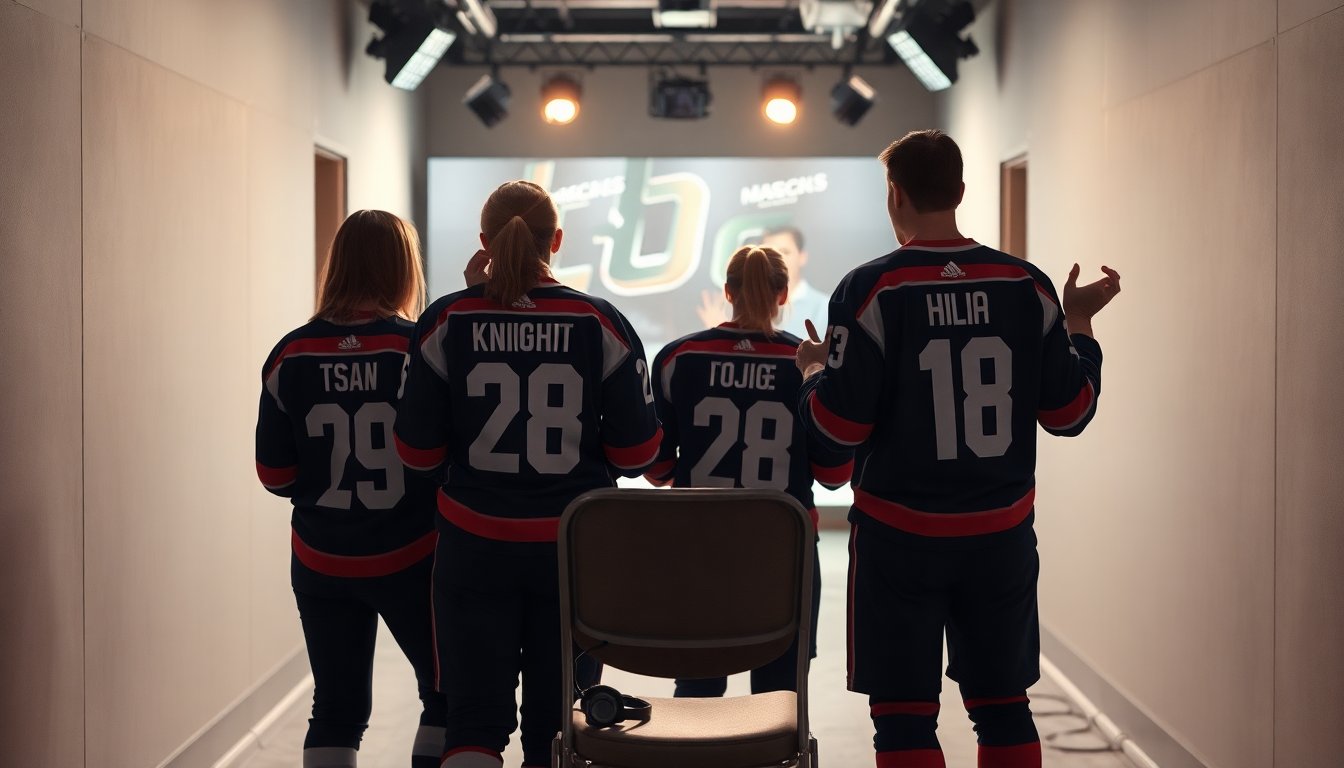
After a week of heated debate following the Milano–Cortina Games, U.S. women’s hockey stars Hilary Knight and Megan Keller surprised viewers with a cameo on Saturday Night Live alongside Jack and Quinn Hughes. Wearing Team USA jerseys and their medals, the four used humor and light riffing to defuse attention from a contentious locker-room phone call that had already gone viral. The stunt didn’t bury the controversy, but it did change how people were talking about it — from procedural questions and criticism to images of team pride and solidarity.
What happened on SNL
– The appearance was staged as a surprise cameo during the show’s opening bits. The athletes walked on in full gear, exchanged playful lines, and left amid applause. Producers cleared key lines in advance; the segment blended satire with clear nods to the week’s headlines.
– The timing mattered. The sketch aired days after a recorded phone call — in which laughter and a remark about inviting the women drew criticism — became public. Clips and social posts spread quickly, and the SNL moment arrived as a different kind of response: public, polished and deliberately upbeat.
Why it mattered
– The cameo shifted short-term coverage. For roughly 24–48 hours the conversation tilted toward entertainment, team camaraderie and the athletes’ achievements rather than procedural complaints.
– But it didn’t erase the underlying issues. Reporters, commentators and advocacy groups continued to press for clarity about the phone call and how recognition and invitations were handled after the Games.
– The episode also served as a case study in reputation management: when controversy breaks, teams can use cultural platforms to retake the narrative — but that doesn’t substitute for formal reviews or documentation.
A separate late-night moment
On a different broadcast, members of the women’s team briefly joined comedian Connor Storrie during his opening monologue. One player quipped about the earlier call — a line that read to many as a pointed, if playful, critique of how the women had been treated. Social media amplified that exchange, turning an improvised joke into another spark that reopened the debate about recognition and respect.
The phone call and the fallout
– The call itself — audio that captured laughter and a remark about “inviting the women” — became the catalyst. Reactions split: some saw it as dismissive and emblematic of wider respect gaps; others argued it was a spur-of-the-moment, emotionally charged reaction that shouldn’t be overread.
– Boston Bruins goalie Jeremy Swayman later said players “should have reacted differently,” acknowledging how off-the-cuff moments can land poorly once public scrutiny kicks in.
– Behind the scenes, people from both teams described cordial interactions in the Olympic Village, even as the public debate focused on protocol, parity and recognition.
Logistics and perception
– Timing and travel logistics fed the controversy. The women returned on commercial flights, while the men left on an NHL-chartered plane — a sequence that likely affected who could attend certain events and became part of the public story about invitations and treatment.
– Team communications circulated tournament stats and highlights (shutout stretches, overtime wins) to redirect attention to on-ice performance. Leaders publicly urged focus on results, while communications teams balanced damage control with promotion.
How team leaders responded
– Rather than pursue private legal or combative responses, some athletes and their advisers chose a visible, controlled approach: public appearances that mixed humor with corrective fact. Knight used broadcast moments to remind people of the team’s 2018 gold and to reassert the women’s competitive record.
– Public-relations teams, producers and media analysts coordinated quickly — clearing lines, rehearsing, and monitoring social sentiment. Those moves softened immediate calls for punitive action, but they didn’t remove the need for formal inquiries where appropriate.
Wider implications
– The episode highlights a few durable shifts: teams need clear postgame media protocols; athletic institutions must be ready for rapid-response moments that can reshape public memory; and entertainment platforms are now part of the toolkit for managing controversies.
– External bodies and federations are likely to request timelines and internal records to determine whether policy changes or further action are required. Expect internal reviews of travel, invitations and communications protocols.
What to watch next
– Anticipate further statements from team officials, possible document requests from oversight bodies, and internal inquiries about how invitations and recognition were handled.
– Media monitoring will continue to shape decisions: if public pressure stays high, federations may issue formal clarifications or change procedures. If attention wanes, the broadcast moments may end up as brief detours in a longer conversation about parity in sport. They succeeded at reframing the story in the short run, showcasing athletes’ poise and achievements. But these cultural moments are not the same as official answers: they change the tone, not the facts. Whether institutions follow with transparent reviews and clearer protocols will determine if this becomes a turning point or just another headline.