
What happened
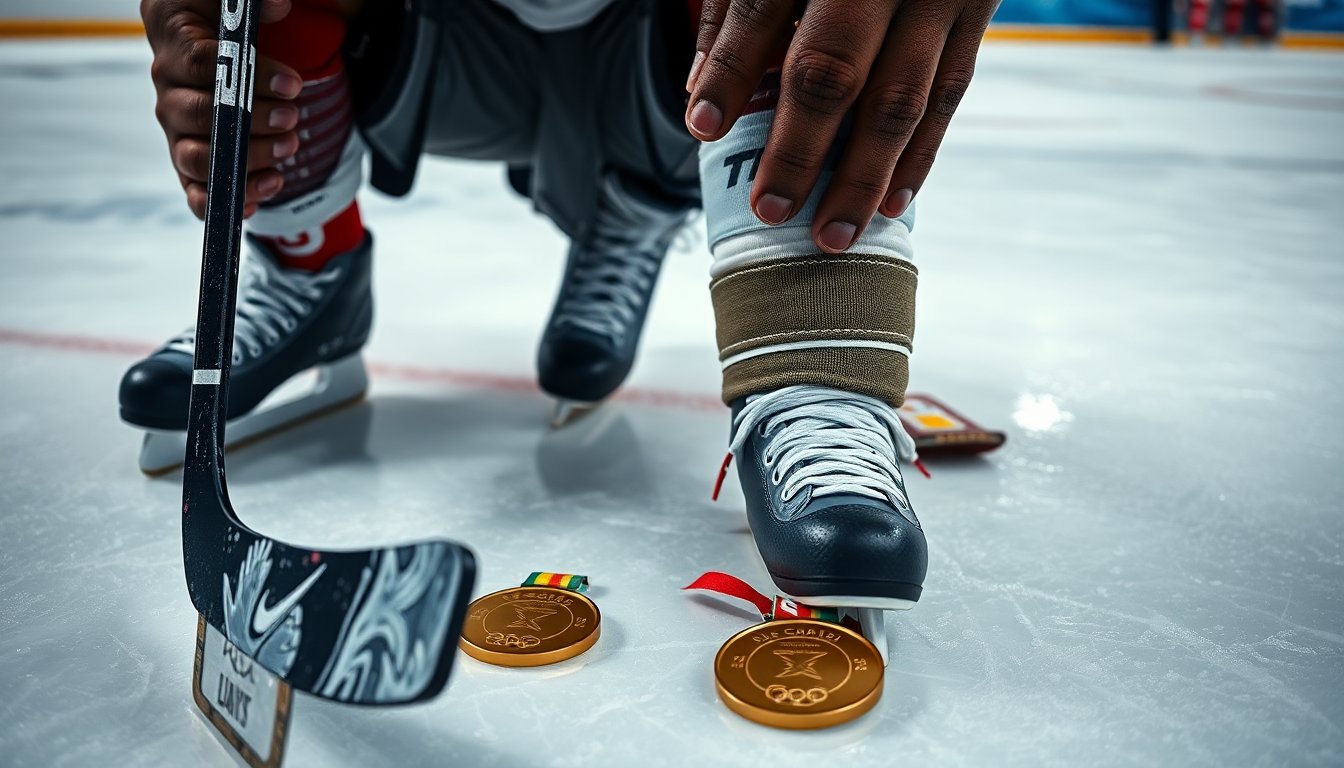
Hilary Knight, captain of the U.S. women’s hockey team, revealed on CBS Mornings (March 2, 2026) that she played through a torn medial collateral ligament (MCL) at the Milan Olympics. She helped the U.S. win gold—scoring the late equalizer in the final—then joined the PWHL’s Seattle Torrent only to be put on long-term injured reserve and told she’ll miss multiple club games. The team hasn’t released a timeline or full medical updates yet.
The injury, explained simply
The MCL sits on the inside of the knee and keeps it stable, especially during lateral moves and when the knee is pushed inward. Tears range from mild sprains to full ruptures. Unlike many ACL injuries, many MCL tears are treated without surgery: rest, targeted rehab, bracing, and a gradual return to sport. Elite athletes sometimes lean on extra treatments—functional braces, neuromuscular training, and, in some cases, injections—to get back on the ice sooner.
Why she might have kept playing — and the costs
Why play through it? Short answer: leadership and timing. Knight’s presence provided scoring, on-ice decision-making, and veteran calm when it mattered most. For a star captain at the Olympics, those things can feel irreplaceable.
Downsides are real. Playing on a compromised knee raises instability, increases the load on nearby structures (which can spark new injuries), and may accelerate wear inside the joint. Data from elite sports shows that returning too fast increases re-injury risk during the same season. So the choice trades short-term gain for longer-term uncertainty.
How this affects team decisions
Putting Knight on long-term injured reserve frees a roster spot and gives the Torrent room to manage lines without forcing a rushed return. For coaches and front offices, the balancing act is clear: preserve a leader and the team’s chances now, while protecting her future availability. That means careful minute management, protective bracing, and clear benchmarks before increasing contact or game time.
What rehab will look like
Expect a staged, measurable plan:
– Early focus: pain control, swelling management, and keeping motion.
– Middle phase: strength, hip and quad stabilization, and proprioception (balance/neuromuscular work).
– Final phase: sport-specific skating drills, cutting work, and monitored on-ice contact.
Clinicians use objective tests—strength symmetry, functional movement screens, and sport-specific drills—to decide when she’s ready. Wearable data and force testing can also inform pacing. If those objective measures lag behind how she feels, the team should delay full clearance to reduce re-injury risk.
Media, public life, and recovery
Knight immediately became a high-profile figure after Milan—late-night shows, SNL sketches, interviews. That visibility is a double-edged sword: great for sponsors and advocacy, but it complicates rest and rehab. Teams now try to schedule low-impact promos, virtual appearances, and tight recovery windows so media obligations don’t derail healing.
Bigger picture for the PWHL and sport
Knight’s disclosure pushes a larger conversation about how elite leagues handle injuries. Some takeaways:
– Transparent, standardized return-to-play benchmarks could reduce mixed messages and pressure to return early.
– Better coordination between national-team and club medical staffs matters when players move straight from major tournaments into league play.
– Investment in monitoring tech and independent medical oversight can help smaller clubs match bigger teams’ care standards.
What to watch next
– Official timelines and regular health updates from the Torrent.
– Whether the PWHL offers clearer league-wide return-to-play criteria or independent medical review for high-profile cases.
– How teams balance promotional duties with recovery windows going forward. She delivered on a massive stage while playing through pain; now the priority shifts to measured rehabilitation, honest data, and handling the spotlight without sacrificing her future on the ice.