
Table of Contents
The political landscape in Honduras is engulfed in turmoil following the presidential election held on November 30. President Xiomara Castro has denounced what she describes as an electoral coup, citing a chaotic vote counting process that has left citizens demanding transparency and accountability.
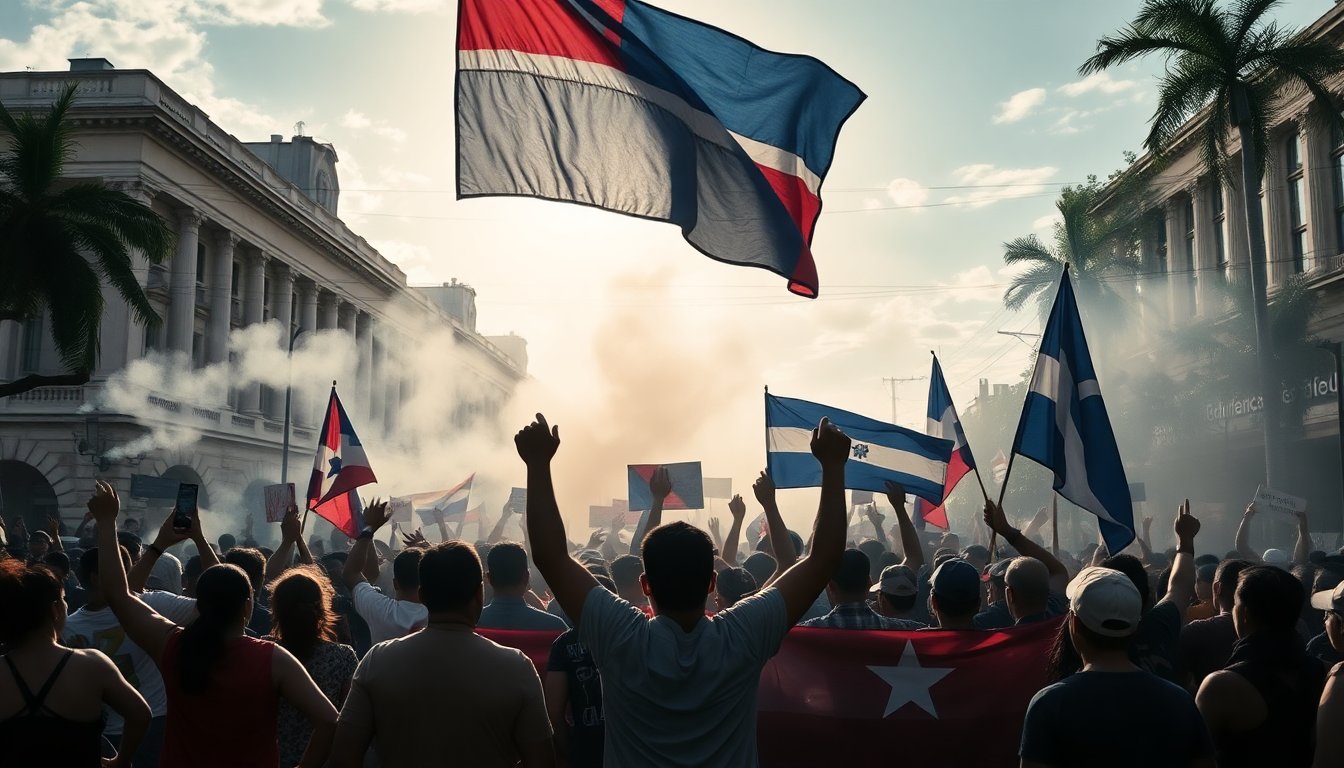
In the capital, Tegucigalpa, protests have erupted, reflecting widespread discontent. Accusations of fraud and manipulation are rampant, particularly against the backdrop of the U.S. government’s involvement in Honduran politics.
Allegations of fraud and foreign interference
As the vote count progressed slowly, tensions escalated. Presidential candidate Salvador Nasralla, representing the center-right Liberal Party, accused the ruling party of systematic vote theft. The National Electoral Council (CNE) reported a stalling at approximately 88.6% of the ballots counted over the weekend, igniting claims of foul play.
Nasralla expressed his outrage on social media, stating, “This is theft,” as he called for a thorough investigation into what he labeled electoral corruption. His comments align with the leftist Libre Party’s demands for annulment of the election results, citing interference from former U.S. President Donald Trump, who has supported right-wing candidate Nasry Asfura.
Impact of U.S. influence
The shadow of U.S. influence looms large over this election cycle. Days before the elections, Trump pardoned former Honduran President Juan Orlando Hernandez, a figure linked to numerous corruption allegations. This action has drawn sharp criticism from Castro’s administration, which accuses the U.S. of meddling in Honduran affairs.
Castro remarked during a press briefing that the electoral process has been marred by threats, coercion, and manipulation of the vote transmission system. She emphasized that these actions undermine the democratic process and threaten the will of the people.
The chaotic counting process
The vote counting has been slow and riddled with technical failures. The private firm overseeing the counting has faced scrutiny for its performance, leading to accusations of negligence. The CNE has pledged to resolve inconsistencies found in approximately 14.5% of tally sheets, which could alter the election results dramatically.
With the deadline for announcing official results set for December 30, both leading candidates are claiming victory based on their own tallies. This contentious atmosphere recalls the aftermath of the 2017 elections, which resulted in widespread protests and violence due to allegations of fraud.
Public response and future implications
As citizens take to the streets, there is a palpable sense of unease regarding the electoral process’s integrity. The Libre Party has called for nationwide protests and strikes, urging supporters to resist cooperating with the incoming government transition. The party has announced plans for an Extraordinary Assembly of National Dignity to address the ongoing situation.
The political climate in Honduras is precarious, and unfolding events could have lasting implications for democracy. As the CNE continues its work, the international community, including the U.S. government, is closely monitoring the situation and warns that any irregularities will be met with swift action.