
Table of Contents
The facts
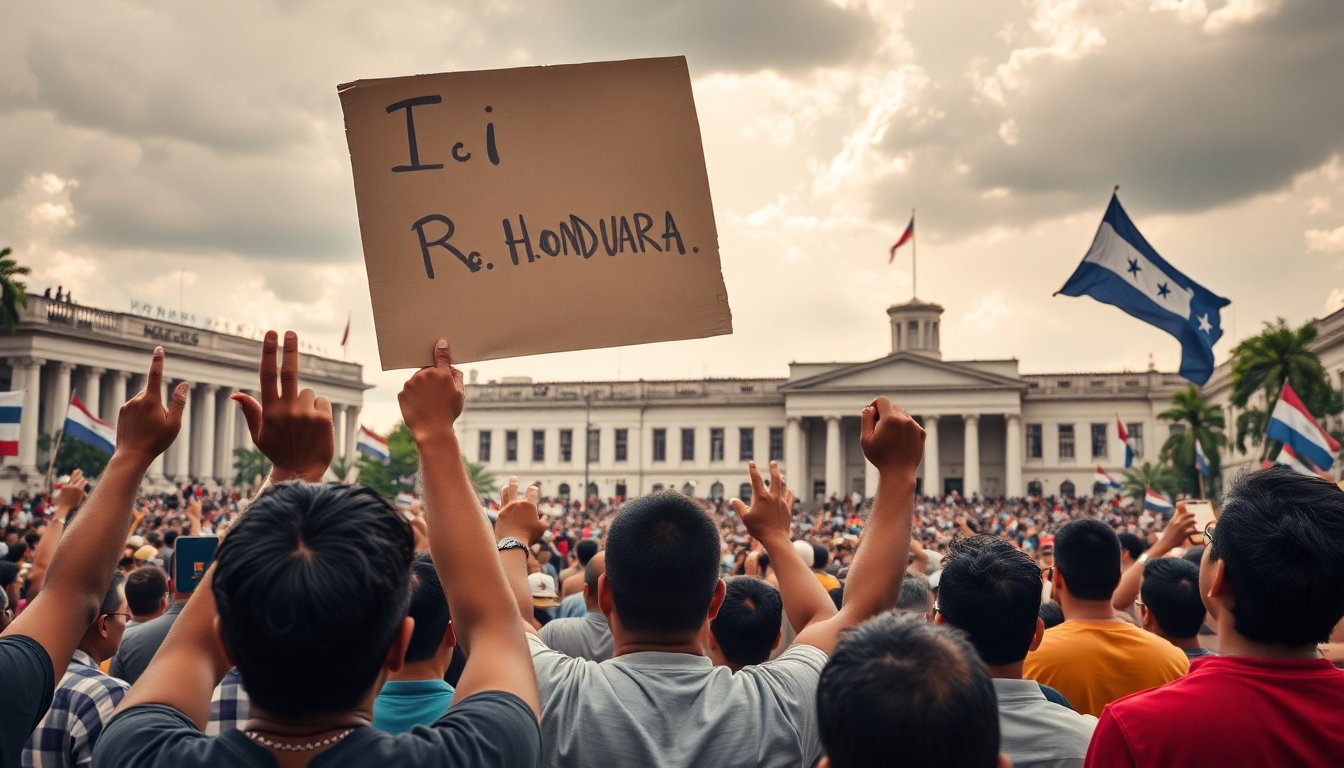
The political landscape of Honduras has transformed with the election of Nasry Asfura as president. Electoral authorities declared Asfura the winner on December 24, marking a pivotal moment for the Central American nation. He received backing from former U.S. President Donald Trump amid accusations of electoral fraud from his main rival.
The implications
This election signals a shift towards conservative governance in Honduras. It reflects a broader trend across Latin America, where right-leaning candidates have gained ground. However, concerns about the transparency and credibility of the electoral process remain significant.
The election results
In the election held on November 30, Asfura of the National Party secured about 40.27% of the votes, narrowly defeating Salvador Nasralla, who received 39.53%. This tightly contested race unfolded over several weeks, marked by significant scrutiny directed at electoral authorities over their slow vote-counting process. The incumbent president, Xiomara Castro, whose party placed third with only 19.19%, now confronts a considerable political setback.
The facts
The recent election in Honduras has generated significant controversy. Candidate Nasralla has publicly alleged electoral fraud, accusing the electoral authorities of betraying the trust of the Honduran people. He criticized the endorsement of his opponent, Asfura, by former U.S. President Trump, suggesting it constituted improper interference in the election process.
Responses and reactions
Supporters of Asfura celebrated his victory, while the candidate himself expressed his readiness to lead the nation. He highlighted his achievements as the mayor of Tegucigalpa, where he prioritized improvements in infrastructure and public services. Following the announcement of the election results, international leaders, including U.S. Secretary of State Marco Rubio, congratulated Asfura and signaled a willingness to work with his administration.
Implications for Honduran politics
The recent election results indicate a significant rejection of President Castro’s administration. Her government aimed to implement progressive reforms to tackle corruption and violence. However, despite an optimistic start, it now faces criticism for not fulfilling the expectations established during her campaign. Castro’s acceptance of the election results, despite her allegations of interference, reflects an awareness of the political landscape in Honduras.
International reaction and future prospects
The Organization of American States (OAS) has voiced concerns about the integrity of the election. The delayed vote count left the nation in uncertainty for over three weeks. This situation has led international observers to urge a reassessment of the electoral process in Honduras to help restore public trust.
The facts
Honduras is entering a new political era under the leadership of Nasry Asfura. Key issues such as governance, public expectations, and international relations will be critical. Eric Olson from the Seattle International Foundation highlighted the deep repudiation of the previous administration led by Xiomara Castro. The prospect of contesting the election results appears unlikely, given the current political climate. The future of Honduras rests on Asfura’s ability to address these complex challenges while appealing to a divided electorate.
The implications
The election of Nasry Asfura represents a significant shift in Honduran politics. This change reflects a broader regional trend towards conservatism alongside ongoing concerns about electoral integrity. As Honduras moves forward, the interaction between local aspirations and international influences will play a crucial role in shaping its political landscape.