
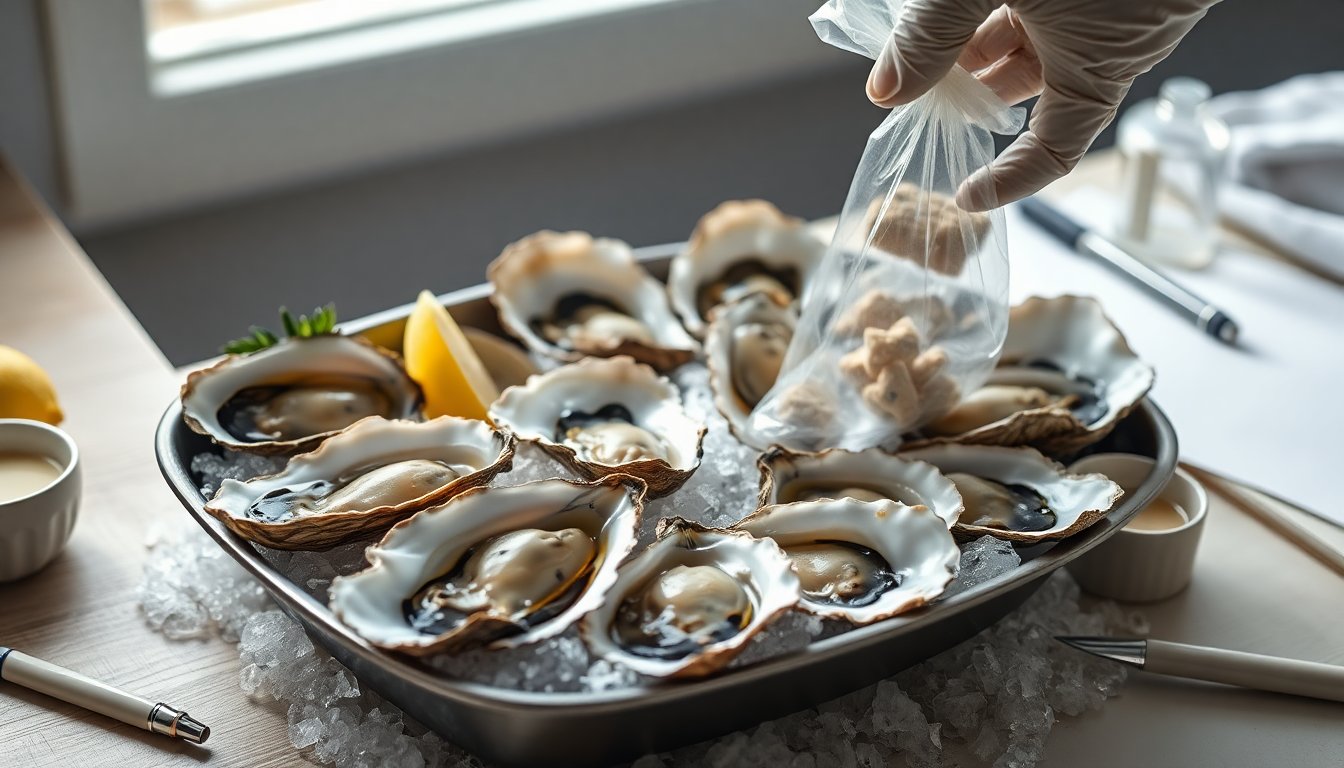
hong kong health authorities say a recent spike in foodborne illness is linked to raw oysters. Multiple clusters of gastrointestinal disease — mostly caused by norovirus — followed meals at several restaurants, hotel dining rooms and private gatherings across the city.
What happened
Investigations by the Centre for Health Protection (CHP) and the Centre for Food Safety (CFS) began after clusters were reported around January 31, February 1 and February 2. Early findings show a shared exposure: many of the sickened diners ate uncooked bivalve shellfish, especially oysters, served by common suppliers.
Laboratory testing has detected norovirus genetic material in stool samples from patients and in multiple oyster samples. Public-health labs are continuing analyses to see whether the cases are linked to a single strain.
Actions taken so far
As a precaution, authorities suspended the import, sale and supply of raw oysters from at least two named suppliers implicated in trace-back work. Several wholesalers stopped distributing the potentially affected batches and one importer issued a limited recall after shared lot numbers were identified. Affected restaurants and hotels were ordered to remove matching stock, deep-clean and disinfect premises, and tighten hygiene practices.
Inspectors have stepped up checks at wholesale markets, seafood vendors and hospitality premises. They are reviewing cold-chain records, manifests and on-site handling procedures and are sampling nearby harvesting areas to explore contamination at the source. FEHD teams have inspected hundreds of outlets selling oysters.
Scope and who is most affected
Between January 18 and early February officials recorded roughly 37 related incidents affecting well over 100 patrons. Cases span a variety of food-service settings and private events. People who ate the suspect items during the exposure window face the highest risk, along with restaurant staff or others who handled the products before cooking or serving.
Vulnerable groups — pregnant people, young children, older adults, people with weakened immune systems and those with chronic liver conditions — are at higher risk of severe illness and are advised to avoid raw or partially cooked bivalves until authorities say it’s safe.
Symptoms and when to seek care
Norovirus causes sudden vomiting, diarrhoea and abdominal pain. Most healthy people recover within a few days with rest and fluids, but anyone whose symptoms worsen or last longer than expected should seek medical attention. If you develop symptoms after eating oysters, avoid preparing food for others until you’re symptom-free.
Practical advice to reduce risk
– Avoid raw or undercooked oysters and other bivalves while investigations continue, especially if you are in a high-risk group. – Buy shellfish only from licensed suppliers and make sure they have been kept properly refrigerated. – Cook shellfish thoroughly — high temperatures destroy many pathogens concentrated in filter feeders. – Wash hands and kitchen surfaces thoroughly after handling raw shellfish. Wash hands with soap and water for at least 20 seconds; alcohol-based handrubs do not reliably kill norovirus and should not replace handwashing. – Follow updates from the CHP and CFS and cooperate with inspection or recall notices.
What comes next
Inspectors will carry on with trace-back investigations, environmental and clinical testing, and enforcement actions. Authorities will share further results and guidance as testing continues. In the meantime, choosing cooked seafood and practising strict hand hygiene are the simplest ways to reduce your risk.