
Table of Contents
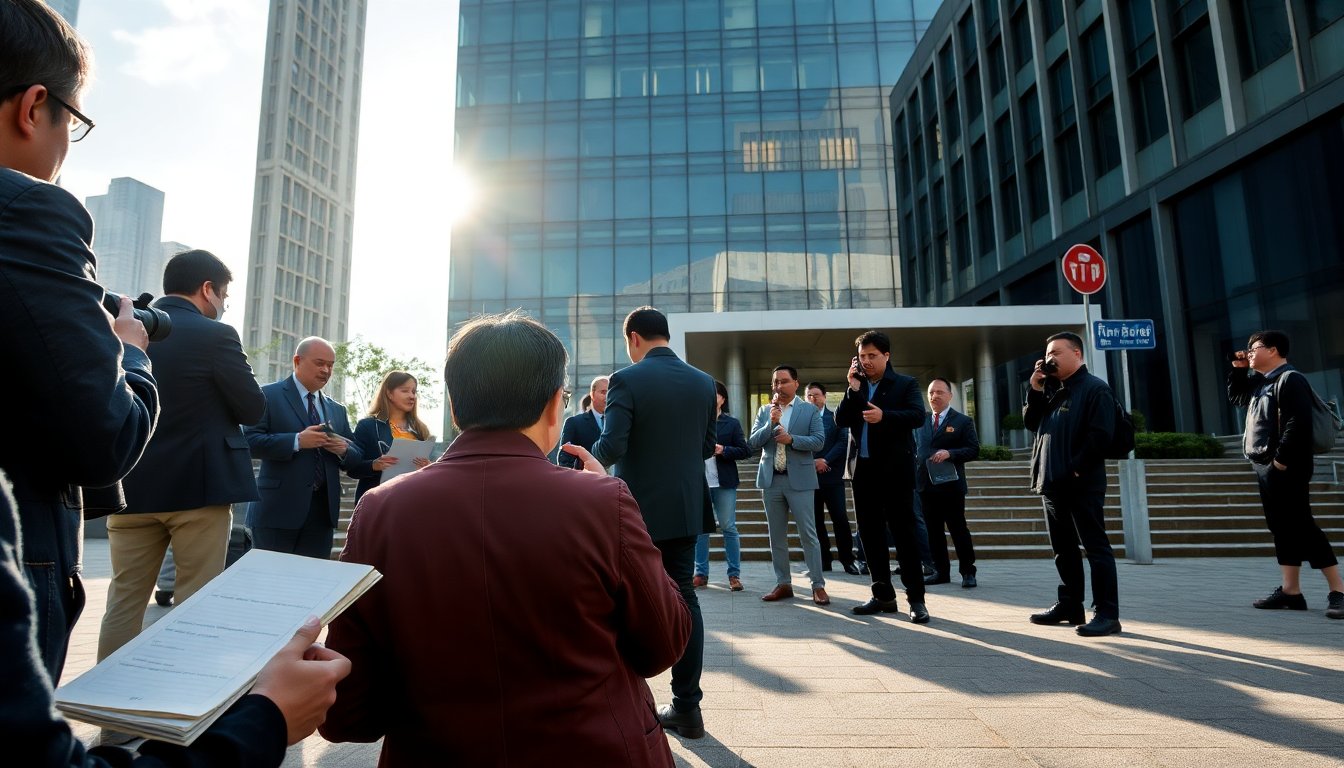
The aftermath of the tragic fire at Wang Fuk Court in Tai Po, which resulted in the loss of at least 159 lives, has prompted a significant response from the Hong Kong government. In the wake of this devastating incident, authorities summoned representatives from various foreign media outlets, including The Wall Street Journal, to express their concerns regarding specific coverage of the fire.
This gathering not only highlighted the government’s worries over perceived biases in reporting but also aimed to remind journalists of their responsibilities to accurately portray events without jeopardizing public trust in Hong Kong’s governance.
Government’s defense against media criticism
In a formal communication, Secretary for Security Chris Tang articulated that the editorial published by The Wall Street Journal, titled “No Fire Critics Allowed in Hong Kong,” was both biased and an unwarranted attempt to discredit the city’s administration. The editorial insinuated that the government was suppressing dissent in the wake of the tragedy, a claim that Tang vehemently opposed.
Tang pointed out that the editorial overlooked the substantial support the Hong Kong government has been offering to those affected by the fire. This support includes financial assistance, housing provisions, and mental health services aimed at helping individuals cope with the aftermath of the incident. Tang emphasized that these efforts demonstrate the government’s commitment to the well-being of its citizens.
Investigation and accountability measures
As part of their response to the crisis, Hong Kong officials have initiated investigations into the incident, leading to the arrest of 15 individuals on suspicion of manslaughter and 12 others for alleged corruption related to the fire. These actions underline the government’s determination to ensure accountability and transparency in the wake of the disaster.
Furthermore, the Chief Executive, John Lee, has proposed forming an independent committee, chaired by a judge, to conduct a thorough review of the circumstances surrounding the fire. This committee is expected to have the authority to request information and resources from various government departments to uncover the truth behind the tragedy.
Criticism of foreign media narratives
In a broader context, the Hong Kong government has voiced strong disapproval of what it describes as anti-China media narratives, which it believes aim to destabilize the region. A government statement condemned foreign media organizations for disseminating what they considered slanderous remarks about the government’s response to the fire.
Officials accused these outlets of attempting to manipulate public sentiment by framing the disaster in a manner that undermines the effectiveness of the government’s relief efforts. They described such actions as detrimental to societal unity and recovery efforts, asserting that these narratives could potentially exacerbate divisions among the population.
Pursuit of external influences
The Beijing Office for Safeguarding National Security has also entered the fray, indicating that it will pursue individuals or organizations deemed to be inciting opposition against the government in the aftermath of the fire. Their statements suggest that they perceive a concerted effort by foreign forces to exploit the tragedy to foster unrest within Hong Kong. This rhetoric echoes sentiments shared by local officials, who warn against the potential for social discord.
Despite the challenges posed by external narratives, the Hong Kong government remains committed to ensuring that the needs of victims and their families are prioritized. Officials are urging the community to unite in support of those affected and to focus on healing and recovery rather than engaging in divisive rhetoric.
Government’s commitment to transparency
This gathering not only highlighted the government’s worries over perceived biases in reporting but also aimed to remind journalists of their responsibilities to accurately portray events without jeopardizing public trust in Hong Kong’s governance.0