
Table of Contents
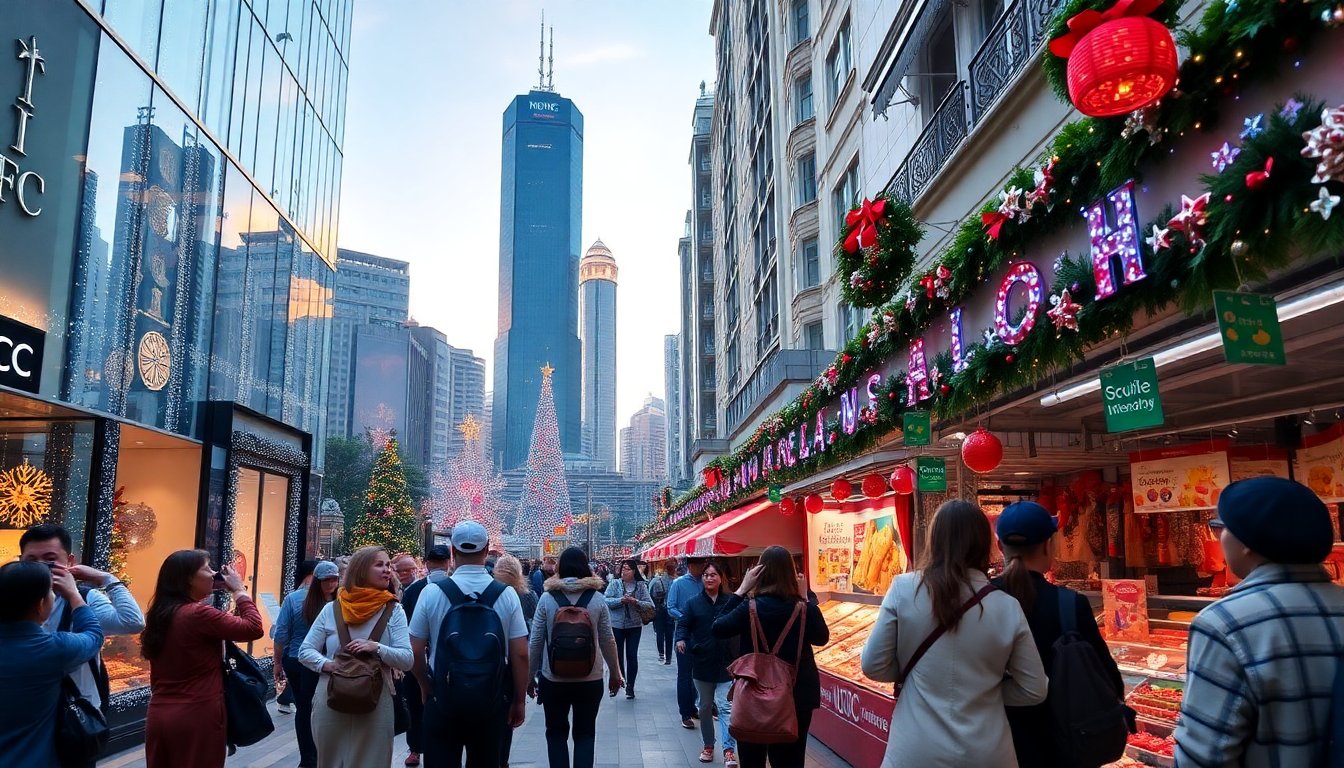
Hong Kong has experienced a significant 10% increase in visitor numbers during the festive season compared to the previous year, according to official data. Local residents have also participated in nearly 1.7 million outbound trips, marking a notable 22% rise in international travel. This uptick in tourism indicates a growing enthusiasm among both visitors and residents for holiday celebrations, despite the recent tragic events affecting public sentiment.
However, the retail sector is expressing concerns about the potential impact of these events on future visitor numbers. The cancellation of the New Year fireworks, a staple of Hong Kong’s celebrations, is expected to diminish the festive atmosphere and local consumption. The Tai Po fire, which claimed numerous lives, has left a lingering concern among the populace, possibly affecting their willingness to engage in holiday festivities.
The impact of the Tai Po fire on public sentiment
In November, a devastating fire at Wang Fuk Court in the Tai Po district resulted in a catastrophic loss of life, with 160 fatalities reported. The building, under renovation, was covered in bamboo scaffolding, which has faced scrutiny after investigations revealed that highly flammable materials contributed to the fire’s rapid spread. These included substandard protective netting and styrofoam, raising serious safety concerns within construction practices.
Public reaction and regulatory changes
The public response to the fire has been mixed. While many rushed to defend bamboo scaffolding as a traditional and effective construction method, the government has announced stricter regulations. The Development Bureau had already begun promoting metal scaffolding earlier in the year, asserting that it aligns better with modern safety standards seen in other countries. This policy shift raises questions about the future of bamboo scaffolding, a technique integral to Hong Kong’s architectural identity for over a century.
Changes to New Year celebrations
In light of the Tai Po tragedy, the Hong Kong government has made the difficult decision to cancel its iconic New Year’s Eve fireworks display. This event typically attracts large crowds to Victoria Harbour, showcasing vibrant fireworks and live entertainment. Instead, the city will host a more subdued gathering on Chater Road, emphasizing reflection and community spirit as it welcomes the new year.
While traditional fireworks will be absent, authorities are optimistic about maintaining a festive atmosphere. The Hong Kong Tourism Board has stated that the alternative celebration aims to foster a sense of hope and collective compassion among attendees, encouraging a more intimate and reflective gathering.
Enhanced transport arrangements for holiday travelers
To accommodate the anticipated influx of visitors during the holiday period, the government is implementing improved transport arrangements. Most MTR lines will operate overnight on December 31, with additional bus services to popular tourist areas. These measures aim to ensure smooth transit for those celebrating the New Year, despite the absence of the usual fireworks display.
Despite the current climate of uncertainty and safety concerns, Hong Kong remains a sought-after destination during the holiday season. The combination of increased visitor numbers and local travel reflects a resilient spirit among residents and tourists alike. As the city navigates these challenges, it is crucial to balance traditional celebrations with the need for enhanced safety measures.
The future of bamboo scaffolding in Hong Kong
The ongoing debates about the safety and viability of bamboo scaffolding reflect broader issues within the construction industry. While the material offers unique advantages, such as durability and flexibility, the recent fire has underscored the need for stringent safety regulations. The craft of bamboo scaffolding, passed down through generations, may face extinction if not adequately supported.
As the industry evolves, it will be essential to honor the traditional skills and knowledge that have shaped Hong Kong’s skyline. The question remains: will the city embrace its architectural heritage or prioritize modernization at the expense of its historical identity?