
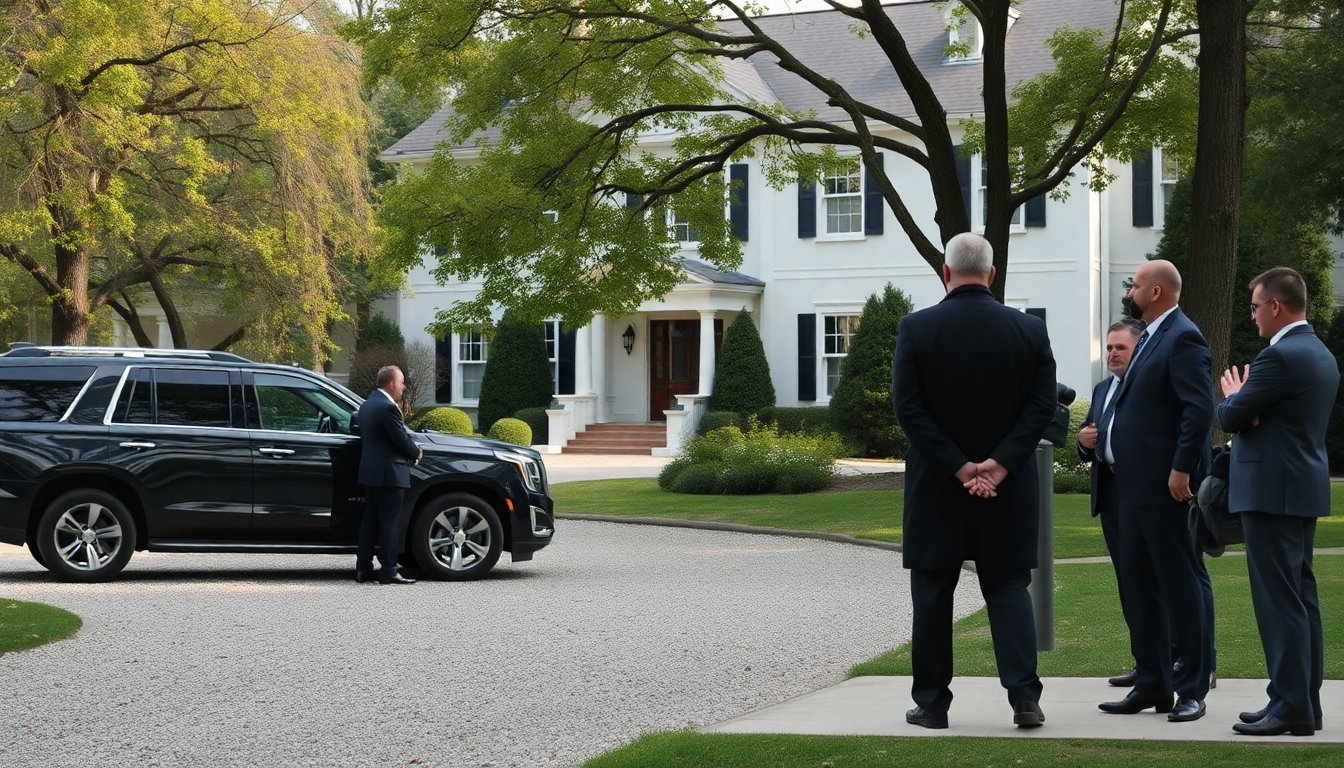
The House Oversight Committee recently took an unusual step: it flew to Chappaqua, New York, to depose former President Bill Clinton behind closed doors as part of its investigation into Jeffrey Epstein’s web of contacts. The session — like a prior private deposition of former Secretary of State Hillary Clinton — was held under subpoena and limited to a small circle of committee members, staff and counsel.
Why they went to Chappaqua
Investigators say the interview was strictly fact-finding: they want a clearer picture of how social networks around Epstein formed and whether connections ever helped shield his activities from scrutiny. Subpoenaing a former president, however, is rare enough that the move immediately raised broader questions about congressional reach and the traditions that govern how lawmakers interact with present and past senior officials.
Practicalities shaped the choice of venue. Holding the deposition near the witness’s home eased security and scheduling headaches and reduced the political theater that often accompanies Capitol Hill hearings. At the same time, staging such a high-profile interview outside Washington signaled the committee’s willingness to bend precedent to secure testimony it regards as important.
What happened — and what we don’t know
Officials stressed the session followed defined safeguards: counsel were briefed on logistics in advance, privilege objections could be lodged, and mechanisms for resolving disputes — through negotiation or, if necessary, the courts — were outlined. The closed-door setup was intended to protect sensitive material while preserving the option of releasing video or transcripts after legal review.
So far, the committee has not released a transcript or a recording. That means the public record remains incomplete. Existing documents uncovered in the Epstein probe have tied him to numerous prominent figures, and some observers expect the deposition may add context or confirm details already in the file. But without disclosures from the committee, the scope and impact of what was said are still speculative.
A hiccup during the process illustrated how quickly procedural missteps can stoke controversy: an unauthorized photograph of a witness circulated briefly, prompting criticism and underscoring the fragility of carefully managed, high-stakes proceedings.
The constitutional questions at play
This deposition reopened a longstanding debate about the proper balance between congressional oversight and the customary deference afforded to presidents and other senior officials. Legal scholars and former officials diverge. Some view compelling testimony from a former president as a legitimate investigative tool — essential for unearthing wrongdoing and holding the powerful accountable. Others worry that using subpoenas in such settings risks turning oversight into a partisan weapon and eroding institutional norms designed to protect the functioning of government.
If disagreement over scope persists, the courts could end up arbiters. Any judicial ruling about Congress’s power to summon a former chief executive would reverberate beyond this single inquiry, shaping how future investigations proceed and what methods investigators may use.
Public reaction and political fallout
Unsurprisingly, reactions split along familiar lines. Critics argued the secrecy and the decision to subpoena a former president undermined transparency and could intimidate witnesses in future probes. Supporters countered that sensitive testimony demands protective procedures and that the committee took steps to respect legal boundaries.
Observers warned the episode could have practical consequences: if witnesses perceive the committee’s methods as overreaching or procedurally risky, they may be less willing to cooperate. Conversely, if the committee ultimately releases substantive material that fills gaps in the Epstein record, its credibility could strengthen.
Why they went to Chappaqua
Investigators say the interview was strictly fact-finding: they want a clearer picture of how social networks around Epstein formed and whether connections ever helped shield his activities from scrutiny. Subpoenaing a former president, however, is rare enough that the move immediately raised broader questions about congressional reach and the traditions that govern how lawmakers interact with present and past senior officials.0
Why they went to Chappaqua
Investigators say the interview was strictly fact-finding: they want a clearer picture of how social networks around Epstein formed and whether connections ever helped shield his activities from scrutiny. Subpoenaing a former president, however, is rare enough that the move immediately raised broader questions about congressional reach and the traditions that govern how lawmakers interact with present and past senior officials.1
Why they went to Chappaqua
Investigators say the interview was strictly fact-finding: they want a clearer picture of how social networks around Epstein formed and whether connections ever helped shield his activities from scrutiny. Subpoenaing a former president, however, is rare enough that the move immediately raised broader questions about congressional reach and the traditions that govern how lawmakers interact with present and past senior officials.2