
The House has voted to advance legislation called the SAVE America Act, setting off a heated national debate over voter access and election security. Passed on a tight 218–213 margin, the bill would require documentary proof of U.S. citizenship to register for federal elections and a government-issued photo ID for in-person voting. Supporters say the changes are common-sense safeguards; critics warn they would create new hurdles for millions of eligible voters.
What the bill would do
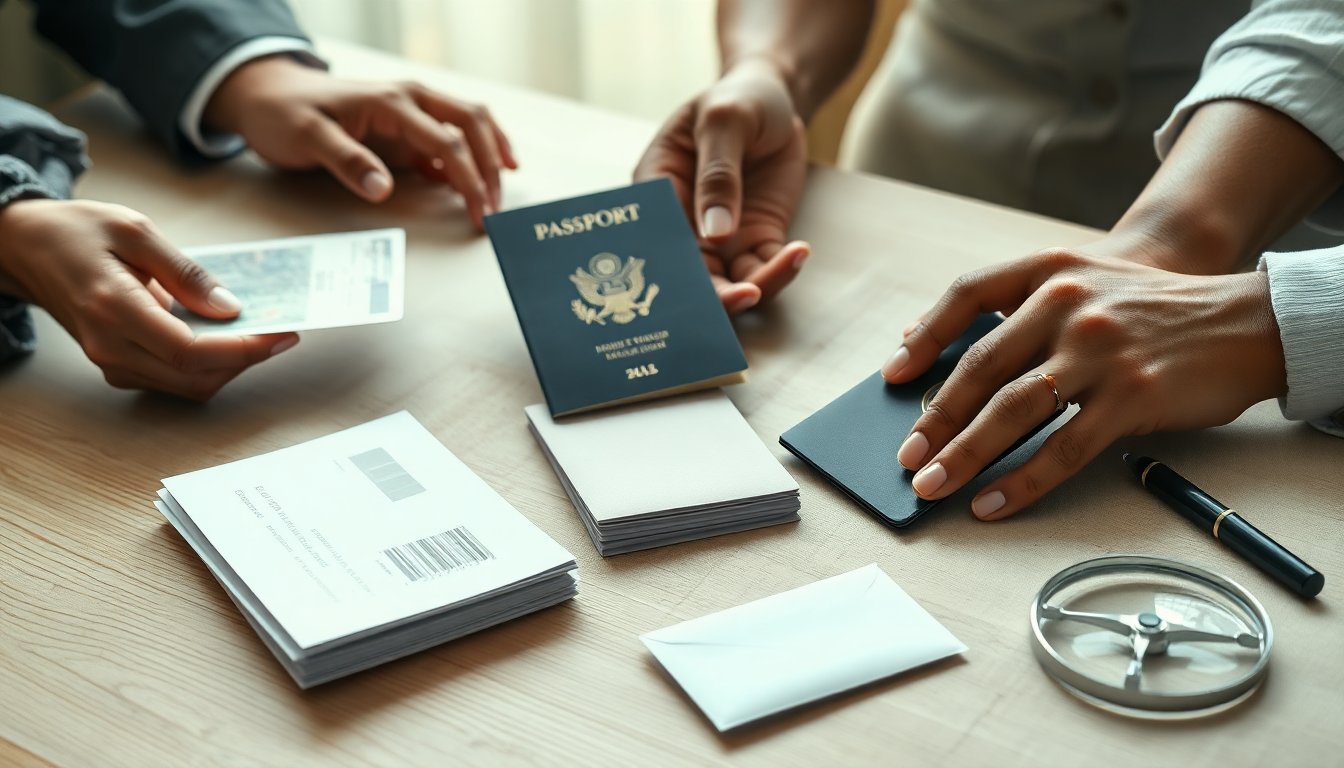
– Require proof of citizenship—such as a passport, birth certificate or other specified documents—when registering to vote in federal contests. Typical state driver’s licenses generally do not show citizenship; only Enhanced Driver’s Licenses, issued in a few states, do.
– Require government-issued photo identification at polling places for in-person voting.
– Ask states to share defined voter-registration data with federal authorities.
– Create potential penalties for election officials who register voters without the required documentation, exposing some local administrators to legal risk.
Why people are divided
Supporters argue a single federal standard would reduce uncertainty about eligibility, deter fraud and help restore public confidence in election outcomes. Some Republicans and bill sponsors frame it as closing loopholes and harmonizing rules across states.
Opponents call the measure an obstacle to voting. Nonpartisan analyses cited by critics estimate more than 21 million voting-age citizens lack easy access to documents proving citizenship; many people lack current passports or birth certificates at hand. Groups that defend voting rights say the rules could disproportionately affect seniors, college students, low-income people, married women who changed names, and some minority communities. They also warn that verifying documents would strain local election offices and spur litigation.
Key moments and reactions
– The House vote was narrowly decided, with Representative Henry Cuellar (D–TX) breaking ranks to support the bill; most Democrats opposed it.
– Lawmakers on both sides have pointed to recent debates over election integrity as the backdrop for the measure.
– Some Republican senators, including Lisa Murkowski, have publicly pushed back, arguing a federal mandate could intrude on states’ constitutional authority over elections and would be disruptive if imposed late in the cycle.
– Civil rights groups, several Democrats and election administrators have signaled they expect legal challenges and additional hearings if the bill moves forward.
Practical implications
Election officials warn that implementing tighter documentation rules would add administrative work, require extra staff and resources, and could force states to create new processes—especially where Enhanced Driver’s Licenses or other acceptable proofs are uncommon. Opponents say the law would effectively force some citizens to pay for or track down records just to vote.
Where this goes next
The bill now faces a steep climb in the Senate, where broader bipartisan support would be necessary. Congressional leaders have not set a timeline; lawmakers and state officials are expecting briefings, hearings and consultations that could reshape the proposal. If the measure reaches the Senate, expect amendments, debate over federalism and likely court challenges if it becomes law. With narrow House passage behind it, the bill’s future depends on Senate deliberations, state briefings and a likely fight in the courts.